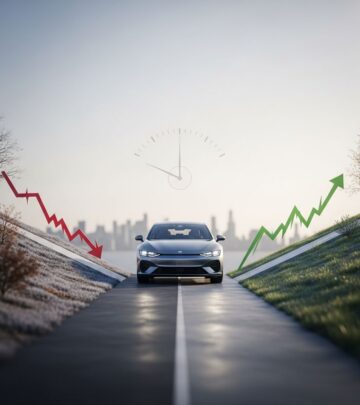
Best Time To Buy A Car: A Strategic Timing Guide
Master the art of buying cars at the right moment to maximize savings

Purchasing a vehicle ranks among the most significant financial decisions consumers make. Beyond selecting the right model and negotiating features, the timing of your purchase dramatically influences the final price you pay. Understanding when dealerships operate under pressure to meet sales goals, when inventory surges, and how market cycles affect pricing can save thousands of dollars. This guide explores the multifaceted factors that determine optimal purchasing windows throughout the year.
Understanding Dealership Sales Quotas and Their Impact
Dealership sales structures revolve around monthly, quarterly, and annual quotas that directly affect pricing strategies. Sales representatives and dealership management face specific targets that must be achieved within defined timeframes. When these deadlines approach, particularly as the final days of measurement periods loom, dealerships become increasingly motivated to move inventory through aggressive pricing and enhanced incentive packages.
The quota system creates predictable patterns in dealer behavior. Sales staff who are close to meeting their targets may approve lower profit margins to secure additional sales. Dealership managers often authorize special financing rates, cash rebates, or additional incentives to push vehicles off the lot before the measurement period closes. Understanding this fundamental business pressure helps consumers identify when negotiating power shifts in their favor.
Year-End Purchasing Advantages
The final quarter of the calendar year, particularly October through December, represents one of the most advantageous purchasing windows annually. Multiple factors converge during this period to create exceptional buyer conditions.
As the calendar year winds down, dealerships contend with three overlapping quota pressures simultaneously: monthly, quarterly, and annual targets. This triple alignment magnifies their motivation to offer compelling deals. December specifically presents an unparalleled opportunity, as dealerships make their final push to achieve annual sales figures. Manufacturers often coordinate year-end sales events featuring favorable financing terms, cash incentives, or bonus programs that reward dealers for meeting ambitious sales goals.
The late-year period also coincides with model-year transitions. As new model years arrive in late summer and early fall, previous year’s inventory must be cleared. Dealerships aggressively discount outgoing models to make room for incoming stock, knowing that consumers increasingly prefer current-year vehicles. This inventory pressure, combined with quota urgency, creates compounding incentives to offer reduced prices.
Quarterly Cycles and Strategic Purchase Windows
Beyond the year-end advantage, quarterly endings present recurring opportunities throughout the calendar. The conclusion of March, June, and September brings dealership quota pressures that, while less intense than year-end periods, still motivate favorable pricing.
Quarterly bonus structures often reward dealerships for cumulative three-month performance. Sales managers recognize that falling slightly short of quarterly targets means missing potential bonus tiers. This awareness encourages them to authorize deals that might not be profitable in isolation but help achieve overall quarterly objectives. Savvy buyers can exploit these windows by visiting dealerships during the final week of these months.
Monthly Patterns in Dealer Motivation
Even within a typical month lacking major holidays or seasonal significance, predictable patterns emerge. The beginning of months shows dealerships in less urgent negotiating positions. Sales targets stretch across the entire month ahead, creating less immediate pressure to close deals.
As months progress toward their conclusion, urgency escalates. By the 25th through the 31st, sales staff and management concentrate intensely on reaching monthly numbers. Dealerships that recognize they’ll fall short of targets during this window often become willing to negotiate substantially lower prices. Conversely, dealerships on pace to exceed targets maintain firmer pricing positions. This monthly cycle repeats consistently throughout the year, providing regular opportunities for strategic buyers.
Weekly Patterns and Daily Considerations
Beyond larger time cycles, weekly patterns significantly influence the car-buying experience and negotiating outcomes. Understanding these patterns helps buyers secure better deals and more attentive service.
Optimal Days for Purchasing:
- Mondays offer exceptional opportunities as dealership traffic remains light after weekends. Sales staff have more availability for extended negotiations and test drives, and managers typically have fresher perspectives on deal authorization.
- Tuesdays and Wednesdays maintain relatively quiet conditions at dealerships. Staff attention remains strong, and the leisurely pace allows thorough vehicle inspection and informed decision-making.
- Early morning hours, particularly at dealership opening, minimize crowds and maximize personal attention from sales representatives.
Challenging Days for Buyers:
- Saturdays represent peak dealership traffic periods. Crowded showrooms mean divided staff attention, longer wait times, and potentially rushed negotiations.
- Sundays at dealerships open on weekends draw significant customer volume, creating similar challenges to Saturdays.
- Early-month periods combine with weekend traffic to create the most challenging negotiating environments overall.
Seasonal and Holiday Shopping Opportunities
Throughout the year, specific holidays and seasons create purchasing advantages beyond quarterly and monthly patterns. Holiday periods often accompany manufacturer incentive promotions and dealership-specific sales events.
Major Holiday Advantages:
New Year’s Eve and New Year’s Day coincide with the most powerful combination of factors: end-of-month, end-of-quarter, and end-of-year quotas, plus holiday shopping incentives. Dealerships often extend holiday promotions into early January, providing extended savings windows. Memorial Day, Labor Day, and Black Friday similarly correlate with manufacturer promotional periods and dealership-specific sales events.
Late-summer and early-fall periods deserve special attention because new model years reach dealerships during this timeframe. As current-year models become previous-year inventory, clearance incentives accelerate. This seasonal transition combined with typically lighter shopping traffic during late August and early September creates opportunities for thoughtful buyers.
Market Inventory Dynamics and Supply Considerations
Vehicle availability patterns influence both pricing and selection. Understanding inventory cycles helps buyers assess when to purchase based on model availability and market supply.
Trade-in volumes peak at specific times, affecting used vehicle availability. Consumers trading vehicles at quarter-end and year-end create surges in dealership used-car inventory. This expanded selection directly benefits buyers seeking pre-owned vehicles. Similarly, lease returns concentrate seasonally, flooding certified pre-owned markets with quality vehicles at particular times of year.
New model introductions in late summer and early fall create surplus situations for previous-year inventory. Dealerships holding excessive old-year stock become motivated sellers, often authorizing below-market pricing to prevent prolonged holding costs. Sophisticated buyers recognize these inventory imbalances as leveraging opportunities.
Interest Rates and Financing Considerations
While purchase timing influences base vehicle pricing, financing rates represent equally important cost components. Buyers should coordinate vehicle purchases with favorable interest-rate environments.
Dealership financing promotions typically accompany manufacturer incentive periods. Zero-percent financing or below-market rates often appear during year-end events, holiday promotions, and quarterly conclusion windows. These special financing offers can substantially reduce total purchase costs, sometimes exceeding the savings from negotiated vehicle discounts. Buyers should compare overall purchase costs including financing implications, not merely focusing on negotiated vehicle prices.
Personal Financial Readiness Versus Market Timing
While market conditions significantly affect pricing, personal financial circumstances ultimately determine optimal purchase timing. Even suboptimal market periods become appropriate if personal situations require vehicle replacement.
Consider vehicle necessity, budget availability, current vehicle condition, and financial preparedness before delaying purchases to achieve marginally better market timing. A vehicle purchase during an average market period executed by a financially prepared buyer typically proves superior to a delayed purchase timed for theoretically optimal conditions but undertaken from a financially stressed position.
Practical Strategy for Maximizing Savings
Successful vehicle purchases combine market timing awareness with disciplined shopping practices. Begin the process early enough to research thoroughly before approaching final deadline windows. Waiting until the last days of months or quarters risks making rushed decisions under time pressure.
Establish target prices based on market research and comparable vehicle values. Enter negotiations understanding current market conditions, manufacturer incentives, and dealership motivations. Request multiple quotes from competing dealerships to create competitive pressure. Take advantage of off-peak shopping times like Tuesday morning to secure unhurried negotiations.
Monitor local market conditions and inventory levels at nearby dealerships. Dealerships with excess inventory across multiple model lines often authorize more aggressive pricing than competitors. Research upcoming holidays and promotional periods to coordinate purchases with anticipated incentive announcements.
Conclusion
Strategic vehicle purchasing integrates multiple timing considerations into a comprehensive approach. Year-end periods from October through December offer the most powerful combination of quota pressures, inventory surges, and manufacturer incentives. Quarterly endings in March, June, and September provide secondary opportunities. Monthly patterns and weekly cycles create recurring purchasing windows throughout the year. Holidays and seasonal factors add additional layers of advantage.
Successful buyers understand these patterns, research their target vehicles thoroughly, and coordinate purchases with dealership motivation cycles. While optimal timing provides substantial savings opportunities, personal financial readiness and vehicle necessity ultimately determine appropriate purchase timing. By combining market awareness with disciplined shopping practices, consumers can maximize their purchasing power regardless of current market conditions.
References
- When Is the Best Time to Buy a Car? — Autotrader. 2025. https://www.autotrader.com/car-shopping/when-is-the-best-time-to-buy-a-car
- Best Time To Buy a Car — Progressive. 2025. https://www.progressive.com/answers/best-time-to-buy-a-car/
- When Is the Best Time to Buy a Car? — NerdWallet. 2025. https://www.nerdwallet.com/auto-loans/learn/when-is-the-best-time-to-buy-a-car
- When Is the Best Time to Buy a New Car? — Edmunds. 2025. https://www.edmunds.com/car-buying/when-to-buy-your-next-car.html
- Best Time to Buy a Car: 7 Key Factors to Consider — Gate City Bank. 2025. https://www.gatecity.bank/education/articles/best-time-to-buy-a-car/
Similar Articles








Read full bio of Sneha Tete