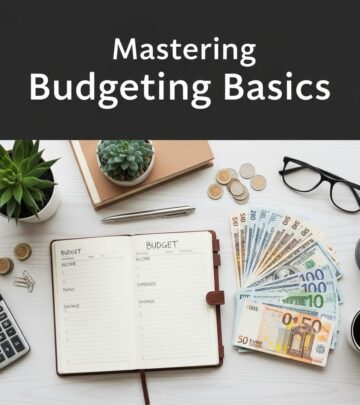
Building Financial Control Through Strategic Money Management
Master your finances with practical strategies for earning, spending, and saving wisely.

Financial stability doesn’t happen by accident. It requires intentional planning, consistent monitoring, and a clear understanding of how money flows in and out of your life. Whether you’re working toward a major purchase, building an emergency fund, or simply trying to reduce financial stress, developing a comprehensive approach to managing your money is one of the most empowering decisions you can make. This guide walks you through the essential components of establishing financial control and provides practical frameworks you can implement immediately.
Understanding Your True Financial Position
The foundation of any sound financial strategy begins with knowing exactly how much money you have available to spend. Many people focus on their gross income—the total amount earned before taxes and deductions—but this creates a misleading picture of actual purchasing power. Instead, you need to work with your net income, also known as take-home pay.
Your net income is what actually lands in your bank account after payroll taxes, retirement contributions, health insurance premiums, and other mandatory deductions. This is the real figure you have to work with when allocating money across your various obligations and goals.
Identifying All Income Streams
For many people, income comes from multiple sources beyond a primary job. When calculating your total available funds, include:
- Employment income: Salary, wages, or hourly pay from your main job
- Supplementary earnings: Freelance work, part-time positions, or gig economy activities
- Investment returns: Dividend payments, interest income, or rental revenue
- Government support: Child support, alimony, unemployment benefits, or other assistance programs
Handling Irregular Income
If your earnings fluctuate from month to month, averaging your income over a longer period provides a more realistic baseline for budgeting purposes. Review your income across three to six months and divide by the number of months to establish a conservative monthly figure. This approach prevents you from overspending during high-income months and leaves you prepared for leaner periods.
Mapping Your Spending Patterns
Understanding where your money goes is equally important as knowing how much comes in. Many people are surprised to discover their actual spending patterns once they begin tracking systematically. This information becomes your roadmap for identifying opportunities to redirect funds toward your priorities.
The Importance of Detailed Expense Tracking
Begin by recording every expenditure over several weeks. This comprehensive approach reveals both expected expenses and surprising spending habits. You can use smartphone apps, spreadsheets, or traditional pen-and-paper methods—the format matters less than the consistency and honesty of your record-keeping.
Your credit card and bank statements provide excellent starting points, as they itemize transactions and often categorize spending automatically. However, don’t rely solely on these records, as they miss cash purchases and small transactions that add up significantly over time.
Categorizing Expenses for Clarity
Expenses fall into two primary categories that require different management approaches:
| Fixed Expenses | Variable Expenses |
|---|---|
| Remain consistent month to month; include rent, mortgage, insurance premiums, loan payments, and utility bills | Fluctuate based on lifestyle choices; include groceries, dining out, entertainment, clothing, and transportation costs |
| Offer limited flexibility; difficult to reduce without major life changes | Provide numerous opportunities for adjustment; where most people find savings |
Understanding this distinction helps identify where spending cuts are realistic and where you have genuine flexibility.
Clarifying Your Financial Aspirations
Budgeting is more than restriction—it’s about directing your resources toward what matters most to you. Without clear objectives, it’s difficult to stay motivated or make meaningful financial progress. Establish specific, measurable goals that resonate with your values and lifestyle.
Setting Goals That Inspire Action
Effective financial goals possess several key characteristics. They should be explicit rather than vague; instead of “save more money,” aim for a specific dollar amount like “accumulate $5,000 for a vacation in twelve months.” This clarity allows you to calculate monthly savings targets and track your advancement.
Break larger objectives into smaller milestones. Rather than thinking about saving $20,000 for a down payment over five years, establish quarterly or annual checkpoints that keep you accountable and motivated. When you reach these milestones, acknowledge your progress—this positive reinforcement strengthens your commitment to your budget.
Incorporating Goals Into Your Budget
Your financial goals should appear as explicit line items in your budget, treated with the same priority as rent or utilities. Assigning specific monthly contributions ensures consistent progress rather than hoping to save whatever remains after discretionary spending. This shift—from “saving what’s left” to “spending what’s left after savings”—fundamentally changes your financial trajectory.
Selecting a Budgeting Framework
Multiple approaches to organizing and managing your money exist, each with distinct advantages for different situations and personalities. Selecting the right framework for your circumstances increases the likelihood of sustained success.
Zero-Based Allocation
This method assigns a specific purpose to every dollar of income. Before the month begins, you allocate your entire net income across expense categories, savings goals, and debt repayment. At month’s end, your budget should balance perfectly with no unaccounted-for money.
Best suited for: People who want maximum control, those with tight budgets requiring careful optimization, and individuals who respond well to detailed planning.
Primary advantage: Ensures every dollar works intentionally toward your priorities rather than disappearing through unmindful spending.
The 50/30/20 Framework
This simple yet effective approach divides your income into three categories based on percentage allocations:
- 50% for necessities: Essential expenses including housing, utilities, groceries, and required insurance
- 30% for discretionary spending: Wants such as dining out, entertainment, hobbies, and subscriptions
- 20% for financial priorities: Savings contributions and debt reduction
This method provides flexibility while maintaining structure. It works particularly well for people seeking a straightforward starting point or those new to formal budgeting.
The Envelope System
This cash-based approach involves assigning physical envelopes or separate accounts to each spending category, then filling them with budgeted amounts monthly. When an envelope empties, spending in that category stops until the next month. This tangible approach appeals to people who struggle with overspending or prefer concrete visual cues about their financial boundaries.
While physical envelopes work, many people adapt this concept using separate checking accounts or digital expense management tools that replicate the same psychological effect.
Choosing Your Approach
No single method works universally; your choice should reflect your financial situation, personality, and spending challenges. Consider whether you thrive with detailed structure or prefer broader guidelines. Experiment with different approaches and adapt as your circumstances change.
Constructing Your Comprehensive Budget
With your income understood, expenses tracked, goals identified, and a framework selected, you’re ready to build your actual budget. This document becomes your financial blueprint, showing precisely how your income aligns with your spending and priorities.
Building Your Budget Step-by-Step
Start by listing your complete monthly net income from all sources. Then organize your expenses into fixed and variable categories with realistic amounts based on your tracking data. Add line items for each financial goal with dedicated monthly contributions. Finally, arrange your spending limits across categories to ensure total expenses and savings don’t exceed total income.
The mathematical alignment is crucial: income must equal or exceed the sum of all expense categories plus savings contributions. If expenses exceed income, you must either increase revenue, reduce discretionary spending, or lower savings targets temporarily.
Sample Monthly Budget Structure
A typical monthly budget might allocate income as follows: housing (30%), groceries and dining (12%), utilities (8%), insurance (10%), transportation (10%), personal care and household (8%), entertainment (8%), savings goals (10%), and debt repayment (4%). These percentages should adjust based on your specific situation and local cost of living.
Maintaining Your Budget Over Time
Creating a budget is not a one-time project but an ongoing practice requiring regular attention and adjustment. Your circumstances change, unexpected expenses arise, and your priorities evolve. Treat your budget as a living document requiring periodic review and refinement.
Regular Monitoring Practices
Review your budget weekly or monthly to ensure adherence. Check whether you’re staying within your spending limits and whether your actual expenses match your projections. This regular attention prevents small overages from becoming major problems and keeps you engaged with your financial objectives.
Making Strategic Adjustments
If you consistently overspend in particular categories, investigate why. Are your budgeted amounts unrealistic? Have your habits changed? Is this category genuinely important or could you reduce it? Use this information to adjust either your spending or your budget allocations.
Similarly, if you underspend in certain areas, you may reallocate those funds toward goals, debt reduction, or increased discretionary spending. This flexibility prevents your budget from feeling like a punitive straightjacket.
Celebrating Progress
Acknowledge your achievements along the way. Whether you’ve reached a savings milestone, paid off a debt, or simply stuck to your budget for three consecutive months, these accomplishments deserve recognition. This positive feedback strengthens your commitment and makes the budgeting process feel rewarding rather than restrictive.
Overcoming Common Budgeting Challenges
Most people encounter obstacles when implementing budgeting systems. Understanding common challenges helps you navigate them successfully.
Addressing Unexpected Expenses
Despite careful planning, emergencies and surprises occur. This reality underscores the importance of an emergency fund—ideally three to six months of essential expenses in accessible savings. This cushion prevents unexpected costs from derailing your budget or requiring debt.
Managing Lifestyle Inflation
As income increases, spending often increases proportionally, a phenomenon called lifestyle inflation. Consciously allocate income increases toward savings and financial goals rather than automatically upgrading your lifestyle. This discipline accelerates progress toward your objectives.
Staying Consistent
Budgeting requires sustained effort. When motivation wanes, return to your core reasons for budgeting—the goals you identified and the financial security you’re building. Visual reminders of your objectives help maintain focus during challenging periods.
Frequently Asked Questions
How often should I review my budget?
Monthly reviews are ideal for most people, though weekly checks help catch overspending early. Conduct comprehensive quarterly evaluations to assess larger patterns and make seasonal adjustments.
What if my income is inconsistent?
Calculate your average income over three to six months and use a conservative estimate for budgeting. This approach protects you during lean periods while providing flexibility to allocate excess income during high-earning months toward savings or goals.
Can I modify my budget approach mid-year?
Absolutely. Your budget should evolve with your circumstances and preferences. If your current approach isn’t working, switch to a different framework. Flexibility increases the likelihood of long-term success.
How much should I allocate to savings?
The 50/30/20 framework suggests 20% for savings and debt repayment, but your situation may differ. Start with whatever percentage feels achievable, then gradually increase it as your income grows or expenses decrease.
Taking Control of Your Financial Future
Financial stability and progress result from understanding your current position, making intentional choices about your resources, and maintaining consistent effort toward your goals. By calculating your net income, tracking your spending patterns, clarifying your financial aspirations, selecting an appropriate budgeting framework, and regularly reviewing your progress, you create the conditions for lasting financial success.
Your budget is a tool for empowerment, not restriction. It enables you to direct your resources toward what genuinely matters to you while reducing the stress and uncertainty that often accompany financial confusion. Begin today with whatever approach resonates with your situation, knowing that your willingness to take control of your finances is the most important step in building the secure and fulfilling life you envision.
References
- Creating a Personal Budget: A Step-by-Step Guide — UKFCU. 2024. https://www.ukfcu.org/blog/creating-a-personal-budget-a-step-by-step-guide
- Your Guide to Creating a Budget Plan – Better Money Habits — Bank of America. 2024. https://bettermoneyhabits.bankofamerica.com/en/saving-budgeting/creating-a-budget
- Making a Budget — Consumer Financial Protection Bureau. https://consumer.gov/your-money/making-budget
Similar Articles








Read full bio of medha deb