Strategic Loans for Credit Development
Explore financing options designed to strengthen your creditworthiness and financial foundation.

Your credit score represents a numerical snapshot of your financial reliability. For individuals starting from scratch or recovering from past financial challenges, accessing traditional credit products can feel impossible. However, specialized loan products exist specifically to bridge this gap, allowing you to demonstrate financial responsibility while simultaneously building the credit history necessary for future financial opportunities. Understanding which lending vehicles work best for your situation is essential to making informed borrowing decisions.
Understanding the Fundamentals of Credit-Building Loans
Credit-building loans operate on an entirely different principle than conventional borrowing arrangements. Rather than receiving funds upfront to spend as you choose, these loans function as structured financial tools where the lender deposits your approved amount into a restricted savings or certificate of deposit account. You then make regular monthly payments toward the loan, and upon successful completion of the loan term, you gain access to the accumulated funds.
This inverted lending structure serves a dual purpose: it protects the lender’s investment while simultaneously providing you with a manageable way to prove your creditworthiness. By making consistent, on-time payments over a set period—typically ranging from 6 to 24 months—you create a documented history of reliable financial behavior. Lenders report these payments to major credit bureaus, directly contributing to your credit score calculation.
Comparing Available Credit-Building Loan Options
Multiple financial institutions offer credit-building loans with varying terms and conditions. The following comparison illustrates how different providers structure these products:
| Lender | Loan Range | Term Options | APR | Special Features |
|---|---|---|---|---|
| DCU | $500–$3,000 | 12–24 months | 5.00% | Dividend earnings on savings account |
| BMO | $1,000–$5,000 | 24–60 months | Varies | 1% autopay discount available |
| First Fed | $1,000–$2,500 | 12–24 months | 11.49–11.99% | Autopay discount option |
| GEICO CU | $500–$3,000 | Varies | Varies | Secured savings account protection |
When evaluating credit-building loans, pay close attention to the annual percentage rate (APR) and total term length, as these directly affect your monthly payment obligations and total interest costs. Some lenders provide incentives for enrolling in automatic payment programs, potentially reducing your effective borrowing cost.
The Secured Loan Alternative for Credit Development
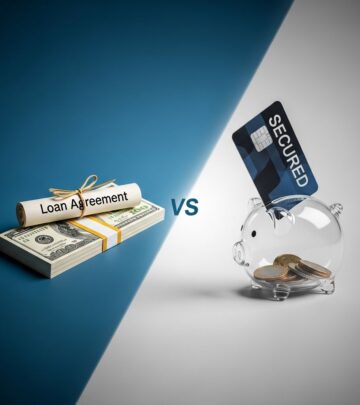
Secured loans represent another pathway to credit establishment, though they function differently from dedicated credit-builder products. With a secured loan, you pledge a valuable asset—such as a savings account, vehicle, or other collateral—against the borrowed amount. This collateral reduces the lender’s risk, making approval more accessible for individuals with limited or damaged credit histories.
The primary advantage of secured loans lies in their broader availability and typically more competitive interest rates compared to unsecured products designed for credit-building. However, the trade-off involves risking your collateral if you fail to maintain on-time payments. Secured credit cards, where you deposit funds as collateral, function similarly and often report to credit bureaus, helping establish positive payment patterns.
Installment Loans as Credit-Building Vehicles
Traditional installment loans—where you borrow a fixed amount and repay it through scheduled payments—can serve credit-building purposes when they come from credible lenders who report to credit bureaus. These loans differ from credit-builder products in that you typically receive funds upfront, though approval with poor or nonexistent credit remains challenging.
Community banks and credit unions frequently offer installment loans to borrowers with credit challenges, especially if you maintain an account with them. The predictable payment structure and reporting to credit agencies make installment loans valuable for demonstrating financial responsibility, particularly if you can obtain them at reasonable interest rates.
Key Advantages of Credit-Building Loan Products
- Accessible approval process: Credit-building loans typically don’t require traditional credit checks, instead evaluating your banking history and employment stability through alternative verification methods.
- Guaranteed approval potential: If you meet basic income and account requirements, qualification becomes substantially more likely than with conventional loans.
- Forced savings mechanism: By restricting access to borrowed funds until loan completion, these products encourage disciplined financial behavior and help you accumulate emergency savings.
- Rapid credit profile development: Within 12-24 months of consistent payments, you establish measurable credit history that improves your eligibility for other financial products.
- Interest earnings: Many credit-builder loan providers credit interest or dividends back to your savings account, reducing net borrowing costs.
- Lower interest rates than alternatives: Compared to payday loans or other predatory credit products, credit-builder loans charge substantially lower rates.
Important Considerations and Potential Drawbacks
While credit-building loans offer genuine value for credit establishment, several limitations warrant consideration. Interest rates and associated fees represent real costs that reduce your effective return on the saved funds. Some lenders charge origination fees, maintenance fees, or early payoff penalties that compound borrowing expenses.
Additionally, accessing your accumulated funds requires completing the entire loan term. If unexpected financial emergencies arise, you cannot tap these restricted funds without potentially defaulting on the loan, which would damage the credit benefit you’ve been building. The relatively small loan amounts—typically capped at $3,000-$5,000—mean these products work best as components of a broader credit-building strategy rather than solutions for significant financial needs.
Strategic Selection: Finding Your Optimal Credit-Building Solution
Assessing Your Financial Circumstances
Begin by evaluating your current financial situation honestly. Determine how much you can comfortably allocate to monthly payments without straining your budget. Calculate what loan amount, combined with your current payment capacity, results in manageable monthly obligations. Remember that overextending yourself by pursuing the maximum available loan amount frequently leads to payment difficulties that undermine your credit-building goals.
Comparing Available Lender Options
Credit-building loans are offered by community banks, credit unions, online lenders, and financial technology companies. Contact multiple institutions to compare their specific terms, interest rates, and eligibility requirements. Because these products aren’t always prominently advertised, direct inquiry may be necessary.
Evaluating Term Length Implications
Longer loan terms result in lower monthly payments but higher total interest costs. Shorter terms accelerate your credit-building timeline but require larger monthly commitments. Consider your employment stability and income consistency when selecting term length, choosing a duration you can reliably maintain throughout the loan period.
Maximizing Credit-Building Success
Establishing Automatic Payments
Set up automatic payments from your checking account to eliminate the possibility of missed or late payments. Many lenders offer interest rate discounts for enrolling in autopay, providing direct financial incentive for this disciplined approach.
Monitoring Your Credit Progress
Regularly check your credit reports to ensure lenders are reporting your payments accurately. Federal law entitles you to one free annual credit report from each of the three major bureaus. Verify that payment history appears correctly and report any discrepancies immediately.
Diversifying Your Credit Portfolio
After establishing positive history through a credit-builder loan, strengthen your credit profile further by adding other credit varieties. Secured credit cards or becoming an authorized user on someone else’s account can demonstrate your ability to manage different credit types, which positively influences credit scoring algorithms.
Frequently Asked Questions About Credit-Building Loans
How much will my credit score improve with a credit-builder loan?
Credit score improvements vary based on your starting point and overall credit profile. Individuals with no credit history typically see more dramatic improvements than those recovering from past delinquencies. Expect noticeable improvement within 3-6 months of consistent on-time payments, with continued growth throughout the loan term.
Can I use a credit-builder loan while holding other debts?
Yes, credit-builder loans can supplement other debt management efforts. In fact, managing multiple credit types responsibly benefits your credit profile. However, ensure your total monthly debt obligations remain manageable relative to your income.
What happens if I miss a payment on my credit-builder loan?
Missed payments damage the credit-building benefit you’ve been accumulating. Lenders report delinquencies to credit bureaus, negatively impacting your score. Additionally, late fees may apply, and continued non-payment could result in loan default, jeopardizing your access to the accumulated funds and your credit prospects.
Are credit-builder loans better than credit cards for building credit?
Both serve credit-building purposes but through different mechanisms. Credit cards offer greater flexibility and immediate fund access, but require strong self-discipline to avoid overspending. Credit-builder loans force savings and structured repayment, making them potentially superior for individuals struggling with financial discipline.
Planning Your Credit-Building Timeline
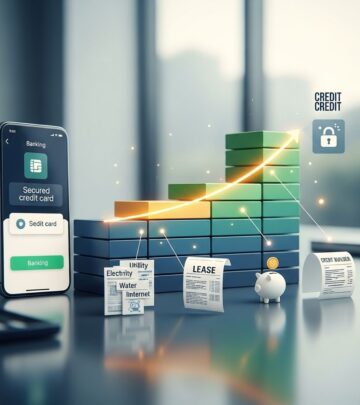
A comprehensive credit-building strategy often spans 12-24 months. During this period, credit-builder loans lay the foundation by establishing consistent positive payment history. As your credit score improves, you become eligible for increasingly competitive financial products, including unsecured credit cards with better terms and personal loans with lower interest rates. This upward trajectory demonstrates how initial credit-building efforts create compounding benefits over time.
Conclusion: Taking Action Toward Financial Opportunity
Credit-building loans and related credit products represent genuine pathways to financial inclusion for individuals facing credit challenges. By understanding how these specialized loan products function and selecting options aligned with your personal financial circumstances, you can systematically strengthen your credit profile. The modest upfront effort and discipline required to maintain on-time payments generates substantial long-term benefits through improved access to credit, better interest rates on future borrowing, and expanded financial opportunities. Your creditworthiness is an asset you can deliberately build, and credit-builder loans provide the scaffolding necessary to construct a stronger financial future.
References
- What Is a Credit-Builder Loan? — Equifax. Accessed April 2026. https://www.equifax.com/personal/education/credit-cards/articles/-/learn/credit-builder-loan/
- What Is a Credit-Builder Loan? — Capital One. Accessed April 2026. https://www.capitalone.com/learn-grow/money-management/what-is-a-credit-builder-loan/
- Credit Builder Loans: What are they? — Chase Bank. Accessed April 2026. https://www.chase.com/personal/credit-cards/education/build-credit/credit-builder-loans
- Credit Builder Loans | DCU — Digital Credit Union. Accessed April 2026. https://www.dcu.org/borrow/personal-loans/credit-builder-loans.html
- Credit Builder Loan Program — BMO. Accessed April 2026. https://www.bmo.com/en-us/main/personal/loans-and-lines-of-credit/credit-builder/
Similar Articles








Read full bio of Sneha Tete