Stores Not Accepting Cash: What You Need to Know
Understanding the shift away from cash payments and your consumer rights.
The Growing Trend of Cashless Retail
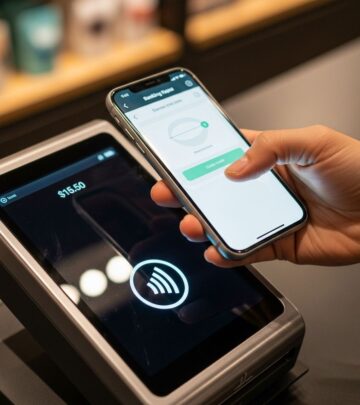
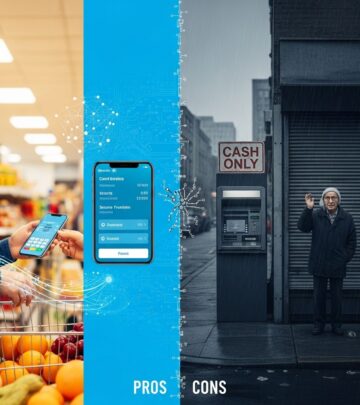
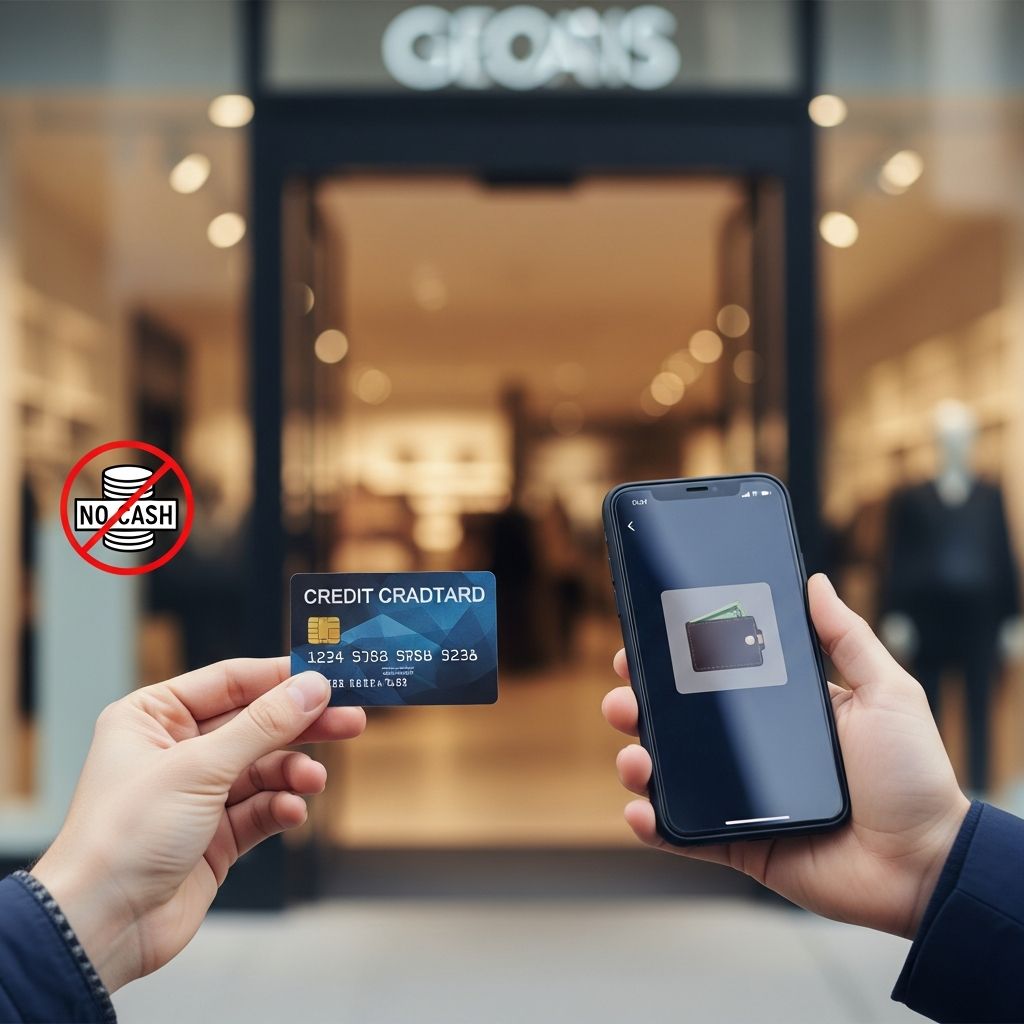
The retail landscape is undergoing a significant transformation. An increasing number of stores across the United States are moving toward cashless payment systems, creating challenges for consumers who prefer or depend on physical currency. This shift reflects broader changes in consumer behavior, technological advancement, and business efficiency. Understanding this trend and knowing your rights as a consumer is essential in today’s evolving payment environment.
The movement away from cash is not uniform across all retailers or regions. Some businesses have fully embraced cashless-only operations, while others continue to accept multiple payment methods. The reasons behind this transformation are complex and multifaceted, ranging from operational efficiency to security concerns to changing consumer preferences.
Why Retailers Are Abandoning Cash
Several compelling factors drive retailers’ decisions to stop accepting cash payments. Understanding these motivations provides insight into broader business trends and consumer trends reshaping the retail sector.
Operational Efficiency and Labor Costs
One primary reason stores eliminate cash is the operational burden it creates. Handling physical currency requires dedicated staff to process transactions, count registers, and manage cash drawers. Digital payment systems reduce these labor-intensive tasks, allowing businesses to streamline operations and reallocate resources elsewhere. Automated payment systems can process transactions faster than manual cash handling, improving checkout speeds and customer satisfaction.
Security and Loss Prevention
Cash presents significant security challenges for retailers. Physical currency attracts theft, both from external shoplifters and internal employee theft. Storing cash requires secure safes, regular cash transfers to banks, and sophisticated security protocols. Digital payment systems eliminate many of these risks. Businesses can reduce their vulnerability to robbery and internal theft by eliminating cash from their operations entirely.
Reduced Banking Costs
Managing cash involves numerous banking fees and expenses. These include armored car services to transport cash to banks, banking fees for deposits, and accounting costs associated with cash management. By shifting to digital payments, retailers can reduce or eliminate these expenses, improving their bottom line.
Faster Transaction Processing
Digital payments typically process faster than cash transactions. Customers no longer need to wait for change, and checkout lines move more quickly. This efficiency particularly benefits retailers during peak shopping periods and improves overall customer experience.
Data Collection and Consumer Insights
Digital payment systems provide retailers with detailed transaction data, revealing consumer purchasing patterns, preferences, and trends. This information enables targeted marketing, inventory optimization, and personalized customer experiences. Cash transactions provide no such data.
Reduced Counterfeiting Risks
Retailers must be vigilant about counterfeit bills, which represent a financial loss if undetected. By eliminating cash, businesses eliminate this risk entirely, reducing training requirements and loss exposure.
Which Major Retailers Have Gone Cashless
Several prominent retailers have implemented cashless or near-cashless policies. These include specialty coffee shops, fast-casual restaurants, tech-focused retailers, and some brick-and-mortar chains. Many grocery store chains have installed self-checkout systems that often do not accept cash, effectively pushing customers toward card payments. Major retailers like Target, Walmart, and Costco have significantly expanded their self-checkout options, which typically do not accommodate cash transactions.
Beyond traditional retail, cashless payment systems have become standard in many service industries, including salons, gyms, medical offices, and entertainment venues. Some food delivery services and online-based businesses operate on a cashless-only basis by default.
Impact on Vulnerable Populations
The shift toward cashless payments disproportionately affects certain groups. Unbanked and underbanked populations—those without access to traditional banking services—rely heavily on cash for daily transactions. According to research, approximately 5.4 million American households lack a bank account entirely, while millions more have minimal banking access.
Additionally, elderly consumers often prefer cash and may struggle with digital payment technologies. Immigrants, low-income individuals, and people with poor credit histories also face barriers to obtaining credit or debit cards. For these populations, cashless retailers create significant hardships and potentially exclude them from purchasing essential goods and services.
Legislative Response and Consumer Protections
Recognizing the inequity created by cashless businesses, several states and municipalities have enacted or proposed legislation protecting consumers’ right to pay with cash. New York recently became a significant player in this movement. Governor Kathy Hochul signed Bill A.7929A/S.4153A, which prohibits businesses from refusing cash payments at retail and food service establishments. The law takes effect in March 2026 and prevents businesses from levying additional fees on cash payments. New York joins four other states that have already adopted similar cash protection measures.
The New York law includes important provisions: it mandates acceptance of cash for in-person transactions at no additional cost, though stores may refuse bills above $20. However, the law exempts purchases or payments made by phone, mail, or internet transactions.
At the federal level, lawmakers have proposed legislation such as the Payment Choice Act of 2025, introduced by Senators John Fetterman and Kevan Cramer, which would require businesses to accept cash and prohibit charging higher prices to those who pay in cash. Additionally, Ohio has proposed the Currency Access to Spend Here (CASH) bill, which would require businesses and government offices to accept cash payments up to $500. The Ohio legislation would require at least one point-of-sale location that accepts cash and ban higher pricing for cash users.
Comparing Cashless Policies Across Sectors
| Sector | Cash Acceptance | Primary Reason |
|---|---|---|
| Quick-Service Restaurants | Increasingly cashless | Speed and efficiency |
| Specialty Retail | Often cashless | Tech adoption |
| Grocery Stores | Limited (self-checkout) | Labor reduction |
| Department Stores | Mixed approach | Customer preference |
| Gas Stations | Generally accept cash | Customer expectations |
Consumer Rights and Options
Understanding your consumer rights in a cashless world is crucial. Before new protective legislation takes full effect, consumers should know what options exist. First, research retailers’ payment policies before shopping. Call ahead or check websites to confirm cash acceptance. Second, support businesses that maintain cash payment options—your purchasing choices influence business decisions.
When traveling internationally or to areas with limited banking infrastructure, carry multiple payment methods. Third, if you encounter a retailer refusing cash when you believe you have a legal right to pay with it, document the interaction and report it to consumer protection agencies.
Advocate for your right to cash. Contact local representatives and express support for legislation protecting cash payment options. Join consumer advocacy groups that promote payment choice and financial inclusion.
The Global Perspective
The cashless trend is not uniquely American. In Sweden, many small retail businesses have stopped accepting cash in recent years, primarily due to security risks associated with cash handling. The Riksbank, Sweden’s central bank, has responded by proposing that food, medicine, and public charges must be available for payment in cash. This international experience demonstrates both the trend toward digital payments and the growing recognition of the need to preserve cash accessibility for essential services and vulnerable populations.
Future of Cash and Hybrid Models
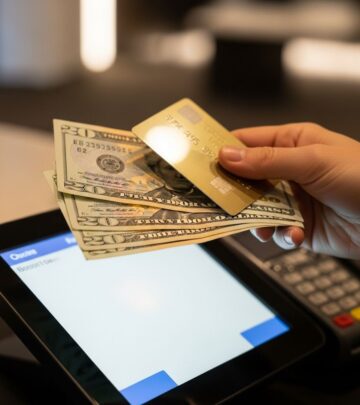
Despite the trend toward cashless payments, cash will likely remain part of the payment ecosystem. A hybrid model appears to be emerging where retailers maintain limited cash acceptance while emphasizing digital options. Some stores now accept cash only at customer service desks rather than at checkout lanes, balancing efficiency with inclusivity.
Central banks globally are developing digital currencies that may reshape payment systems while maintaining government-backed payment options. The potential introduction of a digital dollar or similar government-backed digital payment could address some concerns about completely eliminating cash while maintaining efficiency benefits.
Frequently Asked Questions
Q: Is it legal for a business to refuse cash payments?
A: As of now, federal law does not require private businesses to accept cash, but several states including New York have enacted or are considering legislation that protects the right to pay with cash. Local and state regulations vary, so check your jurisdiction’s specific laws.
Q: What should I do if a store refuses my cash payment?
A: Ask to speak with a manager and inquire about their payment policies. If applicable in your state, you may inform them that refusing cash may violate state law. Document the interaction and consider reporting it to your state’s attorney general or consumer protection agency.
Q: Are online retailers required to accept cash?
A: Generally, online retailers are exempt from cash acceptance requirements since cash cannot be used for digital transactions. However, some businesses are exploring alternative payment methods for online purchases.
Q: How can I access services if I don’t have a debit or credit card?
A: Contact local community organizations, banks, and credit unions about basic banking accounts and prepaid card options. Many institutions offer accounts specifically designed for unbanked individuals with minimal fees.
Q: Will cash become completely obsolete?
A: While cash usage is declining, most experts believe cash will remain in circulation for decades. Government backing, security, and accessibility needs will likely ensure cash’s continued presence in the payment system.
Q: What protection does the new New York law provide?
A: The law requires in-person retail and food service establishments to accept cash without charging additional fees, though stores may refuse bills above $20. The law takes effect in March 2026.
References
- Governor Hochul Signs Law Mandating NY Retailers to Accept Cash Without Fees — CNY Central. 2025-04-15. https://cnycentral.com/news/new-york-news/governor-hochul-signs-law-mandating-ny-retailers-to-accept-cash-without-fees
- Ohio CASH Bill Would Require All Businesses to Accept Cash Payments — Fox Business. 2025-11-24. https://www.foxbusiness.com/politics/new-cash-law-could-force-walmart-costco-take-your-money-old-fashioned-way
- Many Small Retail Businesses Have Stopped Accepting Cash — Riksbank (Sweden’s Central Bank). 2025. https://www.riksbank.se/en-gb/payments–cash/payments-in-sweden/payments-report-2025/trends-on-the-payments-market/many-small-retail-businesses-have-stopped-accepting-cash-/
Similar Articles








Read full bio of Sneha Tete