How to Store Fruits and Vegetables to Save Money
Master proper storage techniques for 13 common fruits and veggies to maximize freshness, minimize waste, and stretch your grocery budget further.
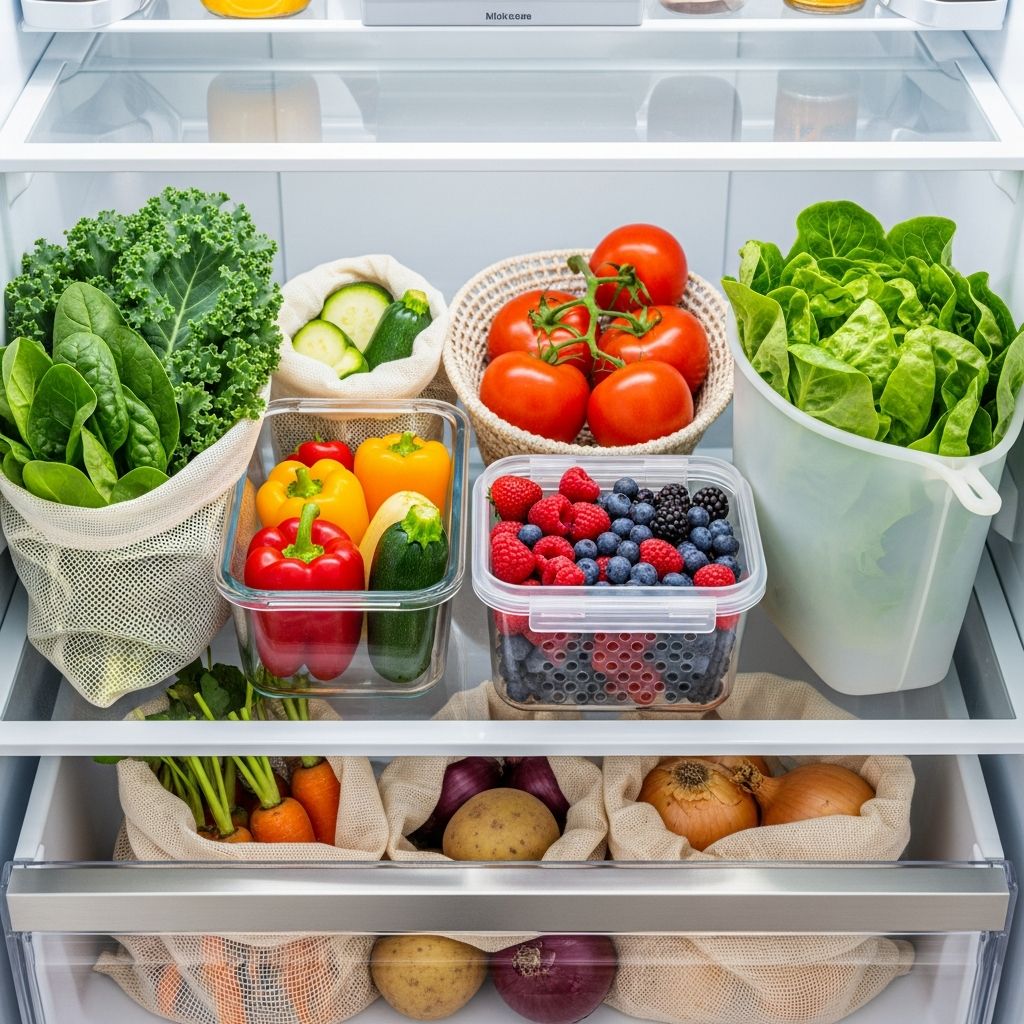
Properly storing fruits and vegetables is one of the simplest ways to cut down on food waste and save money at the grocery store. With food prices rising and the average household throwing away about 30% of purchased produce, mastering storage techniques can keep your apples crisp, berries mold-free, and leafy greens vibrant for days longer. This guide covers the best methods for 13 common items, drawing from food safety experts to help you maximize every dollar spent on fresh foods.
Why does storage matter so much? When produce spoils prematurely, you’re essentially flushing money down the drain. The U.S. Department of Agriculture (USDA) estimates that American families waste $1,500 worth of food annually, much of it fruits and veggies that weren’t stored correctly. By separating ethylene-producing fruits from sensitive vegetables, using the right fridge zones, and avoiding common pitfalls like plastic bags, you can extend freshness by up to a week or more. Let’s dive into specific tips for each item, organized by storage location for easy reference.
Fruits and Veggies to Store on the Counter
Not all produce belongs in the fridge. Some fruits ripen best at room temperature and can actually degrade faster in cold storage due to chilling injury. Keep these on your kitchen counter away from direct sunlight, in a cool spot (ideally 60-70°F), and check daily for ripeness.
- Tomatoes: Store stem-side down at room temperature to prevent moisture buildup. Never refrigerate ripe tomatoes, as cold temps mute their flavor and create a mealy texture. For unripe ones, leave them out until red. This method keeps them juicy for up to 10 days.
- Potatoes: Keep in a dark, cool pantry (not the fridge, where starch turns to sugar). Use paper bags or breathable baskets to allow air circulation and prevent sprouting. Avoid onions nearby, as they release gases that speed spoilage. Properly stored, potatoes last 1-2 months.
- Onions and Garlic: Like potatoes, store in a dry, ventilated area. Mesh bags or bowls work best. Once cut, wrap tightly in plastic and refrigerate, but whole bulbs stay fresher out. They can last 1-3 months this way.
- Basil: Treat it like fresh flowers: Trim stems, place in a jar of water, cover loosely with a plastic bag, and keep on the counter. Change water daily. This keeps leaves perky for a week, far better than wilting in the fridge crisper.
- Avocados: Ripen at room temp in a paper bag with a banana to speed things up via ethylene. Once ripe, refrigerate to extend life up to a week. Mash extras with lemon juice, portion, and freeze for smoothies.
Produce That Belongs in the Fridge
The refrigerator’s crispers are ideal for most veggies and some fruits, but humidity and ethylene levels matter. High-humidity drawers suit leafy greens; low-humidity ones work for fruits. Always wash produce before eating, not storing, to avoid excess moisture.
- Apples: Refrigerate in the crisper drawer in a plastic bag to trap humidity. They emit ethylene, so store away from greens. Apples can last 4-6 weeks, making them a budget-friendly staple.
- Bananas: Keep stems wrapped in plastic on the counter until ripe, then refrigerate. The peel may blacken, but the fruit stays firm inside for 2 extra weeks. Hang them to prevent bruising.
- Berries (Strawberries, Blueberries, Raspberries): Don’t wash until ready to eat. Store unwashed in a single layer on a paper towel-lined container in the fridge. Pat dry if damp. They last 5-7 days; freeze extras on a sheet pan for later use.
- Lettuce and Leafy Greens: Wash, dry thoroughly with a salad spinner, and store in a zip-top bag with paper towels to absorb moisture. This prevents sliminess and keeps greens crisp for 10-14 days.
- Carrots: Chop off tops, store in water like flowers in the fridge, changing water every few days. Or bag them in the crisper. They stay crunchy for 3-4 weeks.
- Cucumbers: Wrap in a towel to wick moisture, then bag in the crisper. Avoid near apples or tomatoes. They last 1-2 weeks without yellowing or softening.
- Broccoli and Cauliflower: Mist lightly with water, wrap in damp paper towels, and bag. Store in the main fridge compartment, not the door. Florets stay firm for 1-2 weeks.
Smart Storage Hacks for Every Kitchen
Beyond basics, these pro tips amplify freshness across the board:
- Separate Ethylene Producers: Fruits like apples, bananas, and tomatoes speed ripening of ethylene-sensitive items (lettuce, broccoli). Use separate drawers or bowls.
- Use Breathable Containers: Perforated plastic, paper bags, or beeswax wraps beat airtight ones for airflow.
- Freeze for Long-Term Savings: Blanch veggies or portion fruits before freezing. Label with dates—most last 8-12 months.
- Buy in Bulk Wisely: Pre-bagged produce often costs less per unit and includes ‘imperfect’ items that store just as well.
| Produce | Best Storage Spot | Expected Freshness | Key Tip |
|---|---|---|---|
| Apples | Fridge Crisper | 4-6 weeks | Away from greens |
| Bananas | Counter, then fridge | 1-2 weeks ripe | Wrap stem |
| Tomatoes | Counter | Up to 10 days | Stem down |
| Berries | Fridge, paper towel | 5-7 days | Unwashed |
| Lettuce | Fridge bag w/ towel | 10-14 days | Dry thoroughly |
The Financial Impact: How Storage Saves You Money
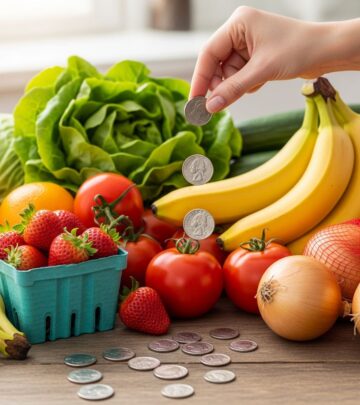
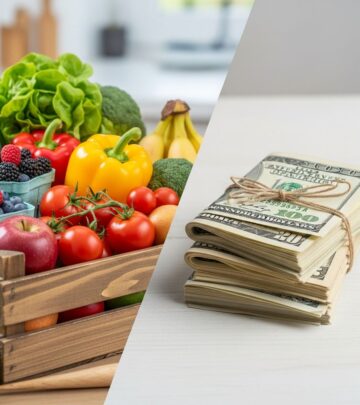
Implementing these habits isn’t just convenient—it’s a direct line to your wallet. If your family spends $100 weekly on produce and wastes 30%, that’s $1,560 yearly gone. Cutting waste by half saves $780. Pair with buying ugly produce or seasonal items for compounded savings. The USDA notes proper storage reduces household food waste by 25%, aligning with federal guidelines pushing whole foods over processed junk.
Grow your own for ultimate control: Start small with pots of herbs, tomatoes, or greens using recycled containers. Costs under $20 initially, yielding months of free produce.
Frequently Asked Questions (FAQs)
Q: Can I store apples and potatoes together?
A: No—apples’ ethylene gases cause potatoes to sprout faster. Keep them separate in cool, dark spots.
Q: Why do my berries mold so quickly?
A: Excess moisture. Always store unwashed on paper towels and eat within a week; freeze the rest.
Q: Is it safe to refrigerate bananas?
A: Yes, once ripe. The peel darkens but the fruit remains edible and firm.
Q: How do I revive wilted greens?
A: Soak in ice water for 15 minutes, then dry and store properly. Use within a day.
Q: What’s the best way to store cut produce?
A: Wrap tightly in plastic with a paper towel; consume within 3 days or freeze.
Bonus: Seasonal Buying and Ugly Produce Pairing
Combine storage smarts with in-season shopping. Summer’s berries and winter’s roots store beautifully when bought fresh. Opt for ‘ugly’ produce from services like Misfits Market—same nutrition, lower prices. Delivery boxes start at $30 for 10-20 lbs, slashing your bill while fighting waste.
These strategies turn your kitchen into a freshness fortress. Start today: Sort your fridge, grab paper towels, and watch your produce—and savings—last longer. For more budget tips, explore farmers markets or CSAs for direct-from-farm deals.
References
- USDA FoodKeeper App and Storage Guidelines — United States Department of Agriculture. 2023-05-15. https://www.ars.usda.gov/northeast-area/beltsville-md-bhnrc/beltsville-human-nutrition-research-center/methods-and-application-of-food-composition-laboratory/mafcl-site-pages/foodkeeperapp/
- 2025-2030 Dietary Guidelines for Americans — U.S. Department of Health and Human Services and USDA. 2025-12-01. https://www.dietaryguidelines.gov/
- Food Waste FAQs — United States Environmental Protection Agency. 2024-08-20. https://www.epa.gov/sustainable-management-food/food-waste-faqs
- Selecting and Storing Produce — FoodSafety.gov (Interagency collaboration). 2023-11-10. https://www.foodsafety.gov/food-poisoning/causes/produce
- Household Food Waste Prevention — USDA Economic Research Service. 2024-02-14. https://www.ers.usda.gov/topics/food-markets-prices/food-waste-loss/
Similar Articles








Read full bio of medha deb