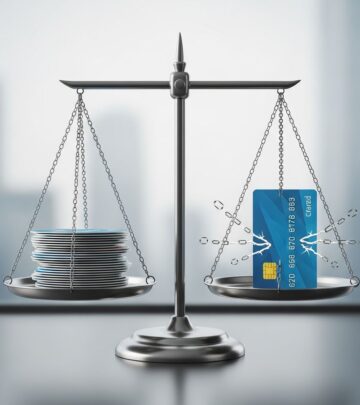
Store Credit Cards: How They Function and Impact
Explore the mechanics of retail credit cards and their effects on your finances
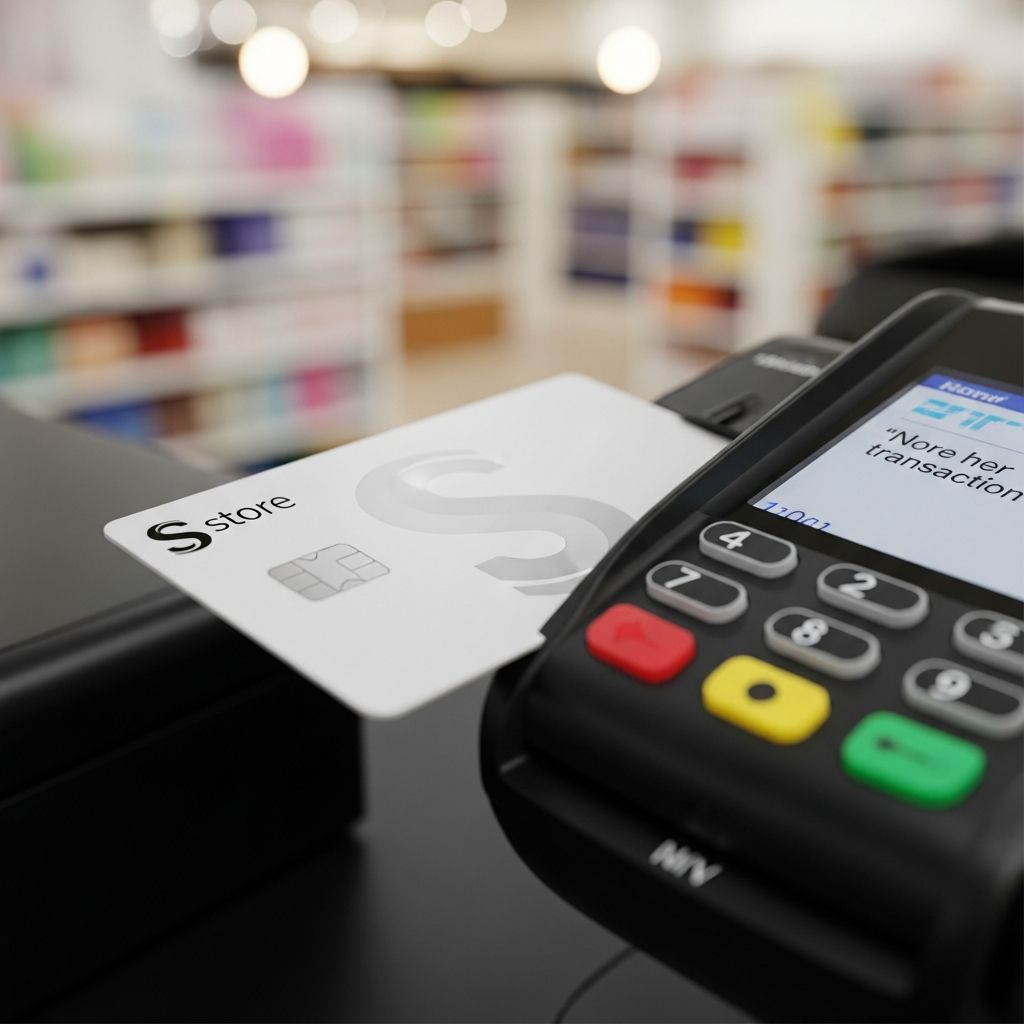
Retail credit cards have become increasingly popular tools for both consumers and merchants. These specialized financial products operate differently from traditional bank-issued credit cards, offering unique advantages and challenges. Understanding how they work can help you make informed decisions about whether they fit into your financial strategy.
Understanding the Basics of Retail Credit Products
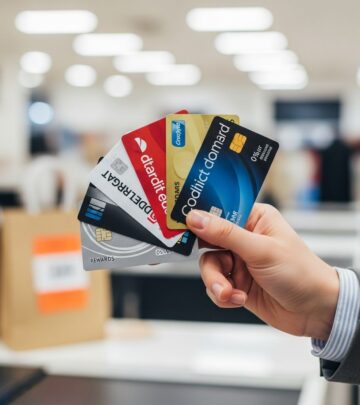
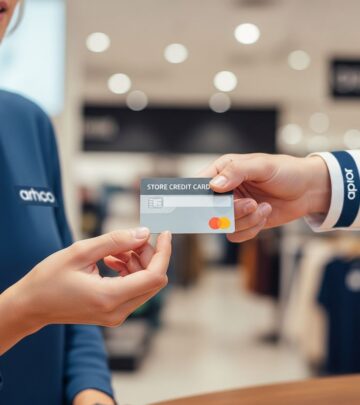
Store credit cards are financial instruments issued directly by retailers or through partnerships with financial institutions. Unlike general-purpose credit cards, these products are specifically designed to incentivize purchases at particular stores or retail chains. The fundamental difference lies in their scope of acceptance and the rewards structure built into their terms.
Retailers issue these cards for multiple strategic reasons. By offering their own credit products, merchants can reduce transaction fees they would normally pay to traditional card networks. When customers use a store card instead of a Visa or Mastercard, the retailer saves between 1.5% to 3.5% on transaction costs. This savings translates to improved profitability and better cash flow management for the business.
Two Primary Categories of Retail Cards
Retail credit cards fall into two distinct categories, each with different use cases and applicability:
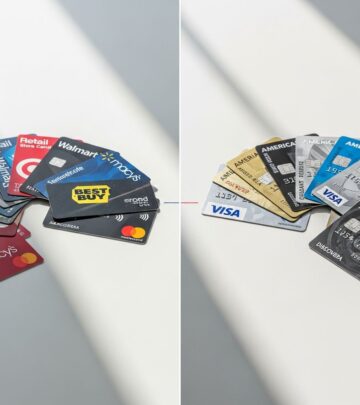
- Closed-Loop Cards: These cards can only be used at the specific retailer or within their network of affiliated brands. Examples include store-specific cards from major retailers like Target or Kohl’s. Customers cannot make purchases outside the designated retail environment using these cards.
- Open-Loop Cards: These represent co-branded products developed in partnership with major credit card networks such as Visa, Mastercard, or American Express. While they earn enhanced rewards at the affiliated retailer, they function as general-purpose credit cards at merchants worldwide that accept the associated network.
The Approval Process and Accessibility
One significant advantage of retail credit cards is their more lenient approval standards. Retailers actively encourage credit applications to expand their customer base and increase transaction volume. This means individuals with fair or limited credit histories often qualify for store cards when they might not meet the requirements for traditional bank credit cards.
Financial institutions recognize that store cards serve as accessible entry points for credit building. People with thin credit files or modest credit histories can use store cards to demonstrate responsible financial behavior. By making regular, small purchases and consistently paying bills on time, cardholders establish a track record with credit bureaus.
The lower approval barriers exist because retailers absorb slightly more risk to achieve their business objectives. They recognize the long-term customer value of cardholders and the increased frequency of store visits that card ownership tends to generate.
Rewards and Incentive Structures
Store credit cards typically offer more generous rewards at their affiliated retailers compared to general-purpose credit cards. Common incentive mechanisms include:
- Percentage-based discounts on all purchases using the card
- Points that accumulate toward future discounts or merchandise
- Exclusive access to sales and promotional events reserved for cardholders
- Special financing offers with reduced or zero interest rates for limited periods
- Sign-up bonuses that reward new applicants for opening an account
- Enhanced return policies and extended warranty protections
These rewards programs are carefully designed to encourage repeat purchases and increase average transaction values. Cardholders often spend more per visit and shop more frequently than non-cardholders, creating a powerful incentive structure for both the retailer and potentially for the consumer.
Credit-Building Potential and Credit Score Impact
When managed responsibly, retail credit cards can positively influence credit scores through multiple mechanisms. Adding a store card to your credit portfolio demonstrates credit diversity to the bureaus. Having different types of credit accounts—installment loans, credit cards, and retail cards—shows financial management capability across various credit products.
Store cards also affect your credit utilization ratio, which represents the percentage of available credit you’re actively using. If you obtain a store card with a $2,000 limit and use only $600 across all your cards, you’re utilizing 30% of your available credit. Credit scoring models favor lower utilization ratios, typically rewarding borrowers who use 30% or less of their total available credit.
The payment history you establish with a store card carries significant weight in credit calculations. Making on-time payments consistently demonstrates responsible financial behavior to credit reporting agencies. Each timely payment strengthens your credit profile and contributes to score improvement over time.
Interest Rates and Cost Considerations
One critical drawback of retail credit cards is their typically higher interest rates compared to traditional consumer credit cards. These elevated rates exist because retailers assume greater credit risk by offering cards to less-qualified applicants. The higher rate compensates for the increased default probability in their customer base.
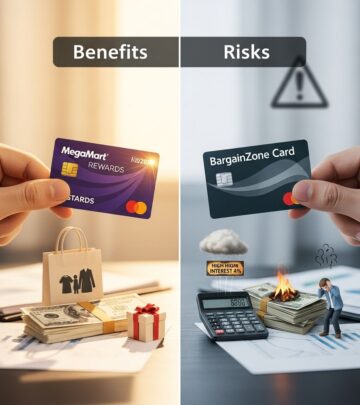
This elevated cost structure creates a critical risk: if you carry a balance on your store card, the interest charges can quickly eliminate any savings gained from rewards or discounts. For example, a customer receiving a 20% discount on a $500 purchase saves $100. However, if that balance carries an 25% annual interest rate and remains unpaid for several months, the accumulated interest could exceed the original savings.
The mathematics become particularly unfavorable for cardholders who cannot pay their full balance immediately. The higher interest rates mean debt accumulation happens faster than with traditional credit cards. Financial experts consistently recommend paying off store card balances completely each month to avoid this trap.
Credit Limits and Penalty Structures
Store credit cards typically come with lower credit limits than traditional bank-issued cards. A retailer might approve you for a $1,500 limit on their store card while a bank credit card offers $5,000. This limitation reflects the risk profile retailers assign to their applicant pool.
Additionally, penalty fees on store cards often exceed those on traditional credit cards. Late payment penalties, annual fees (when applicable), and over-limit fees can be more aggressive. These penalties are designed to incentivize timely payment and responsible account management.
Strategic Decision-Making Framework
Determining whether a store credit card makes financial sense requires honest self-assessment of your spending patterns and payment discipline. Consider these factors:
| Factor | Favorable for Store Card | Unfavorable for Store Card |
|---|---|---|
| Spending Frequency | Regular, recurring purchases at the retailer | Occasional, sporadic shopping visits |
| Payment Ability | Can pay full balance monthly | Likely to carry balances |
| Credit History | Building credit or fair credit score | Excellent credit available through premium cards |
| Account Management | Can track and manage multiple cards | Already managing many credit accounts |
| Reward Utilization | Active use of discounts and promotions | Infrequent use of cardholder benefits |
Potential Risks and Pitfalls
Retail credit cards present specific risks that require awareness. Having too many credit card accounts, including multiple store cards, can damage your credit score. Each new application triggers a hard inquiry that temporarily reduces your score. Maintaining numerous active accounts requires disciplined tracking to prevent missed payments.
Store cards can facilitate overspending through psychological mechanisms. The psychological effect of having available credit, combined with targeted marketing from the retailer, can lead to purchases you wouldn’t otherwise make. The promise of discounts on already-discounted merchandise can create a false sense of savings.
Another subtle risk involves the exclusive nature of store card rewards. Unlike premium travel credit cards that earn flexible points redeemable for various purposes, store card rewards lock you into that retailer’s ecosystem. You cannot transfer points to hotel programs, airline partners, or other redemption options.
Building Credit Responsibly with Retail Cards
If you decide to obtain a store credit card for credit-building purposes, implement these strategies:
- Make small, manageable purchases you can pay off immediately
- Set up automatic payments to ensure timely payment every month
- Monitor your credit utilization and keep it below 30%
- Avoid opening multiple store cards simultaneously
- Check your credit reports regularly for accuracy
- Resist marketing temptation to spend beyond your means
- Keep the account active but dormant if you’ve achieved your credit goals
Frequently Asked Questions
Can store credit cards help rebuild damaged credit?
Yes, but with caveats. Store cards’ easier approval standards make them accessible to people with poor credit histories. However, the high interest rates mean any carried balance worsens your financial situation. Responsible use—making on-time payments and keeping balances low—can gradually improve credit scores, but it requires disciplined financial management.
What happens if I miss a payment on a store credit card?
Late payments trigger penalty fees higher than traditional credit cards and are reported to credit bureaus, damaging your credit score. Late payments remain on your credit report for seven years. The interest rate may increase to a penalty APR, making future balances even more expensive.
Should I keep a store credit card open after paying it off?
Closing the account removes available credit from your credit profile, potentially increasing your utilization ratio and lowering your score. Keeping the account open but inactive maintains your credit mix and available credit. However, if the account has an annual fee, closing it may be financially prudent.
Can I use a store credit card outside the store?
Only if it’s an open-loop card co-branded with Visa, Mastercard, or Amex. Closed-loop cards work exclusively at the issuing retailer or affiliated brands. Check your card documentation to determine which type you have.
Do store credit cards report to credit bureaus?
Most store credit cards report to all three major credit bureaus (Equifax, Experian, TransUnion). This reporting is beneficial for credit building but means negative payment history significantly impacts your credit score. Verify with your card issuer if you’re uncertain.
The Bottom Line
Store credit cards serve legitimate purposes within a broader financial strategy when used strategically. They offer genuine advantages for frequent shoppers seeking specific retailer discounts and for individuals building credit history. The key to maximizing benefits while minimizing risks involves disciplined financial behavior, honest self-assessment of spending patterns, and commitment to paying balances in full.
The higher interest rates and lower credit limits create real dangers for cardholders who cannot maintain payment discipline. The rewards savings evaporate quickly when interest charges accumulate. Before applying for any store credit card, honestly evaluate whether you’ll use it strategically or whether it will become another source of consumer debt. For the right person in the right situation, a store credit card can be a valuable financial tool. For others, it represents an unnecessary risk better avoided in favor of traditional credit products.
References
- Before You Say Yes: Pros & Cons of Store Credit Cards — Harvard Federal Credit Union. https://harvardfcu.org/blog/before-you-say-yes-pros-cons-of-store-credit-cards/
- Store Credit Cards: Do They Help or Hurt Your Credit Score? — Mountain Cooperative Credit Union. https://www.mycvcu.org/news/should-you-get-a-store-credit-card
- The Pros and Cons of Store Credit Cards — First Alliance Credit Union. https://www.firstalliancecu.com/blog/the-pros-and-cons-of-retail-credit-cards
- How Branded Store Credit Cards Increase Revenue — STORIS. https://www.storis.com/blog/branded-store-credit-cards/
- Understanding Store Credit Cards and How They Work — Chase Bank. https://www.chase.com/personal/credit-cards/education/basics/understanding-store-credit-cards-and-how-they-work
- Store Credit Cards: A Guide to the Pros and Cons — Credit Karma. https://www.creditkarma.com/credit-cards/i/guide-to-retail-credit-cards
- The Pros and Cons of Retail Store Credit — Northwest Bank. https://financialwellnesscenter.northwest.bank/money-management/spending/article/pros-and-cons-of-retail-credit
- Should You Get a Store Credit Card? — Navy Federal Credit Union. https://www.navyfederal.org/makingcents/credit-debt/should-you-get-a-store-credit-card.html
Similar Articles








Read full bio of medha deb