Store Credit Cards: 5 Smart Strategies For 2025
Discover the pros, cons, and smart strategies for using store credit cards to save money without falling into common traps.

Store credit cards offer tempting perks for loyal shoppers but come with strings attached that can lead to costly debt if not handled carefully. These retailer-issued cards provide exclusive discounts and rewards but often feature higher costs and limited use compared to general-purpose cards.
What Are Store Credit Cards?
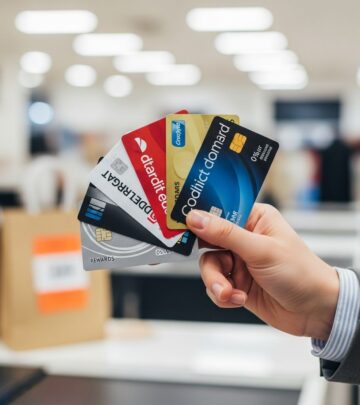
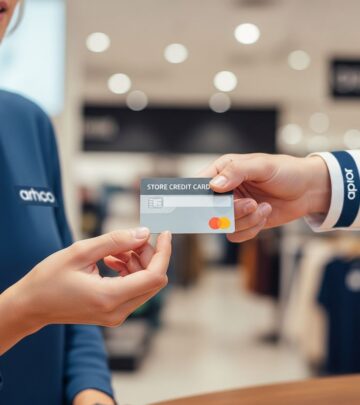
Store credit cards, also known as retail cards, are lines of revolving credit issued by specific retailers or their banking partners. They allow purchases at the store or affiliated locations, with balances carried over time subject to interest charges. Unlike loyalty programs that just track points, these cards extend actual credit, appearing on credit reports if reported to bureaus like Equifax or TransUnion.
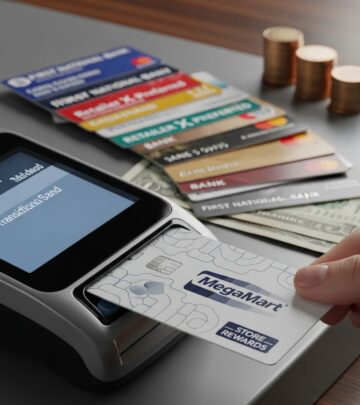
Two main types exist: closed-loop cards restricted to one retailer or its network, and co-branded (open-loop) cards backed by networks like Visa or Mastercard for broader acceptance. This distinction affects usability, with closed-loop options tying spending strictly to the brand.
Why Retailers Offer These Cards
Retailers issue these cards to foster loyalty and boost spending. By sharing interest revenue with issuers, stores incentivize repeat visits through targeted perks. Shoppers gain immediate discounts, while merchants secure a captive audience less likely to shop competitors.
- Encourages frequent purchases via tiered rewards.
- Provides data on buying habits for personalized marketing.
- Generates extra income from high interest on carried balances.
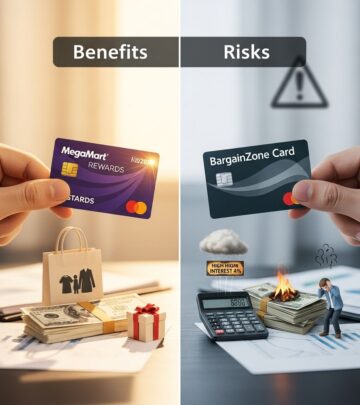
Key Benefits for Cardholders
For dedicated shoppers, these cards can deliver real value when paid off monthly. Here’s a breakdown:
| Benefit | Description | Potential Savings Example |
|---|---|---|
| Exclusive Discounts | Instant rebates like 5-20% off at signup or sales. | $50 off a $1,000 appliance. |
| Rewards Tiers | Higher spending unlocks better perks or points. | 5% back on $2,000 annual spend = $100 credit. |
| Credit Building | On-time payments improve scores via payment history and mix. | Boosts FICO by 20-50 points over time. |
The Hidden Costs and Downsides
High annual percentage rates (APRs) often exceed 30%, far above the average 16-24% for general cards, per Federal Reserve data. Deferred interest promotions waive charges only if balances clear by deadlines; otherwise, retroactive fees apply.
Low credit limits, typically $300-$1,000, spike utilization ratios easily. A $150 charge on a $300 limit hits 50% utilization, hurting scores since under 30% is ideal.
- Limited Acceptance: Closed-loop cards useless outside the store.
- Temptation to Overspend: Flashy offers at checkout prey on impulse buys.
- Fees: Late payments or exceeded limits add penalties.
Approval Process: Easier Entry Point
These cards approve applicants with fair or thin credit files more readily than premium rewards cards. Retailers offset risk with restrictions like low limits and high rates. No hard credit pull at signup applications keeps inquiries minimal initially.
Factors boosting odds:
- Store loyalty history.
- Income stability over perfect scores.
- Lower limits reduce issuer exposure.
Comparing Store Cards to General-Purpose Options
| Feature | Store Card | General Card |
|---|---|---|
| APR Range | 25-32% | 15-25% |
| Use Anywhere? | Limited or No | Yes |
| Rewards Scope | Store-only focus | Everywhere, flexible redemption |
| Credit Limit | $300-$2,000 | $5,000+ |
| Best For | Loyal shoppers | Versatile spenders |
General cards like cashback or travel rewards suit diverse spending, offering steady returns without brand lock-in. Secured cards aid credit-building sans store ties.
Smart Strategies for Using Store Cards
To harness benefits minus pitfalls:
- Pay balances fully each month to dodge interest.
- Track promo end dates; automate payments.
- Limit to 1-2 cards from top-spend stores.
- Monitor utilization; request limit increases post-positive history.
- Cancel unused cards cautiously to preserve credit age.
Combine with budgeting apps to cap store spending. Treat as debit for big buys.
Credit Impact: Building vs. Hurting Your Score
Positive use enhances scores: 35% from payments, 30% utilization. New accounts briefly dip averages but recover with responsibility. Multiple applications risk inquiries dinging scores 5-10 points each.
Avoid maxing limits or late payments, which linger 7 years.
Frequently Asked Questions (FAQs)
Are store credit cards good for building credit?
Yes, if paid on time; they report activity and diversify mix for beginners.
What’s the average APR on store cards?
Often 28-30%, versus 20% for prime general cards.
Can I use a store card anywhere?
Only co-branded ones; closed-loop are store-specific.
Do promo financing deals cost extra?
Deferred interest hits if not paid off timely.
Should I get multiple store cards?
Only for heavy-spend stores; too many raise utilization risks.
Alternatives Worth Considering
Skip store cards if versatility matters:
- Cashback Cards: 1-5% on all purchases, no restrictions.
- Secured Cards: Deposit-backed for credit newbies.
- Store Loyalty Apps: Free points without credit risk.
Assess spending: 50%+ at one retailer? Viable. Otherwise, generalize.
When to Walk Away from the Offer
Decline at checkout if:
- Tempted by impulse buys.
- Existing high-interest debt.
- Struggle with payments.
- Seek flexible rewards.
Prioritize needs over novelty perks.
References
- Understanding the Appeal and Risks of Store Credit Cards — Navicore Solutions. 2025-07-01. https://navicoresolutions.org/resources/blog/understanding-the-appeal-and-risks-of-store-credit-cards
- Why Is It Easier to Get a Store Credit Card Than a Regular One? — NerdWallet. Recent (2025 context). https://www.nerdwallet.com/credit-cards/learn/retail-credit-card-vs-regular-easier-to-get
- Six tips to consider when you’re offered a retail store credit card — Consumer Financial Protection Bureau. Recent. https://www.consumerfinance.gov/about-us/blog/six-tips-when-offered-retail-store-credit-card/
- Avoid the Retail Fail: 5 Store Credit Card Mistakes — WesBanco. Recent. https://www.wesbanco.com/education-insights/avoid-the-retail-fail-5-store-credit-card-mistakes/
- Understanding store credit cards and how they work — Chase. Recent. https://www.chase.com/personal/credit-cards/education/basics/understanding-store-credit-cards-and-how-they-work
Similar Articles








Read full bio of medha deb