Store Closes: Your Credit Card Fate
Discover what happens to your retail credit card when your favorite store shuts down, from debt obligations to credit score effects.
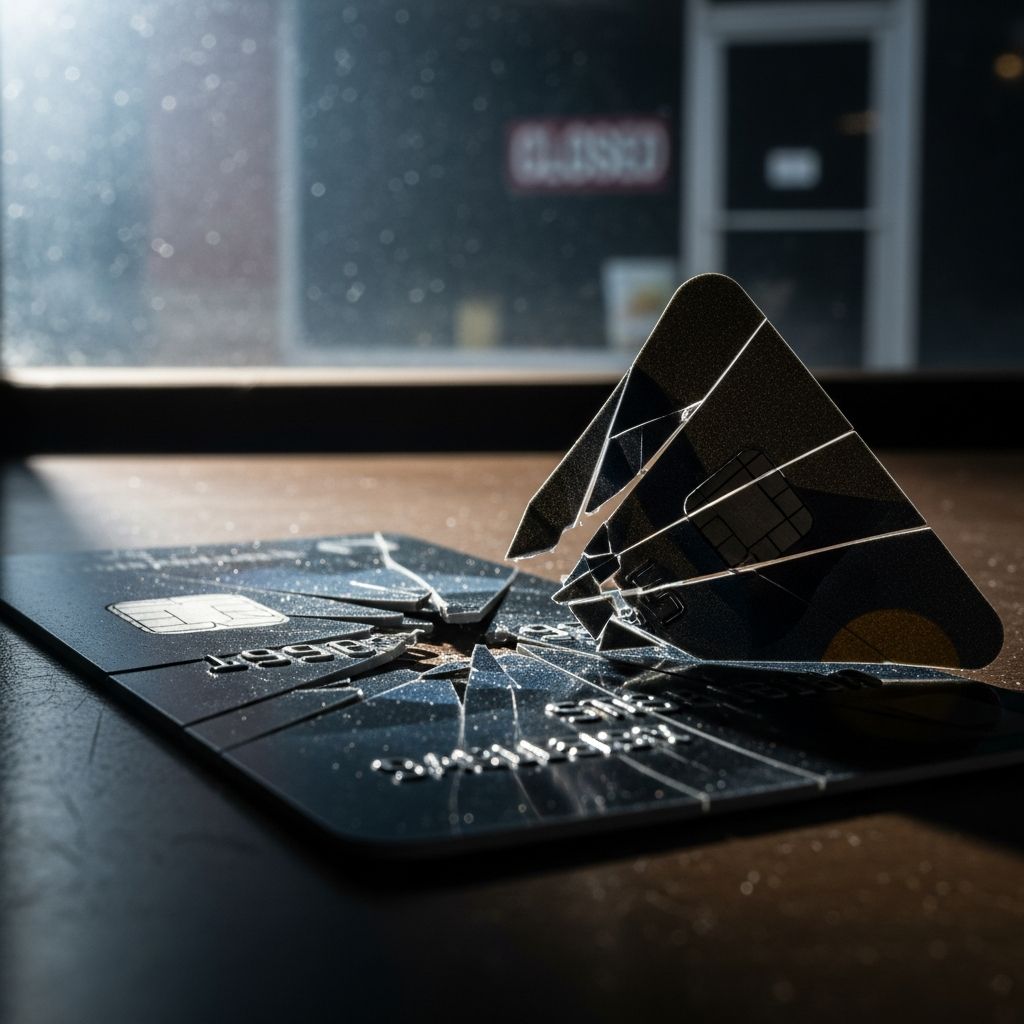
Retail landscapes shift rapidly, with store closures becoming more common due to economic pressures, shifts to online shopping, and corporate restructurings. If you hold a store-specific credit card, the sudden disappearance of physical locations raises immediate questions: Does the card still work? What about outstanding balances? How might this ripple through your credit profile? This comprehensive guide breaks down the scenarios, financial implications, and proactive measures to safeguard your credit health.
Types of Retail Credit Cards and Closure Scenarios
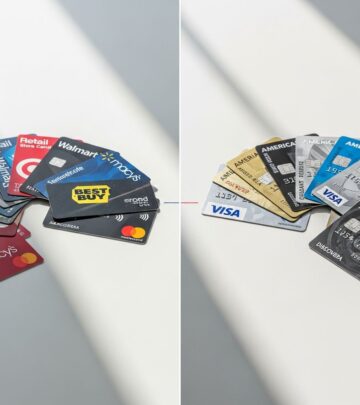
Understanding your card type is crucial when a store announces closures. Retail cards fall into two main categories: private-label (usable only at that retailer) and co-branded (accepted more widely via networks like Visa or Mastercard).
- Private-label cards: Restricted to one store or brand, these face the highest risk of obsolescence if all locations close.
- Co-branded cards: Offer broader usability, potentially surviving even if the store pivots online or partially closes.
Closures aren’t uniform. Retailers might shutter select locations, transition fully online, or liquidate entirely through bankruptcy. Each path alters your card’s viability differently.
| Closure Type | Card Impact | Examples |
|---|---|---|
| Partial closures | Card often remains active at open stores or affiliates | Regional shutdowns with sister brands intact |
| Full physical to online shift | Usable on website; co-branded works elsewhere | Store moves e-commerce only |
| Total liquidation | Account likely closes; balance due immediately | Bankruptcy with all assets sold |
Immediate Account Changes After Closure
Once news breaks, monitor communications from your card issuer, typically a bank or finance firm separate from the retailer. They control the account, not the store.
Possible outcomes include:
- Continued use at remaining outlets or online platforms.
- Product conversion to a general-purpose card from the same issuer, preserving rewards or limits.
- Account closure by the issuer, especially for private-label cards.
- Rarely, sale of the account to another servicer, triggering mandatory notices.
Issuers prioritize customer retention. For instance, they might migrate you to a cash-back or low-APR alternative to maintain the relationship. Keep contact details current to receive these updates promptly.
Ongoing Debt Responsibilities
A critical truth: Store closure doesn’t erase debt. You’re legally obligated to repay balances, regardless of bankruptcy. Retail cards are backed by third-party lenders holding the debt securely.
Even in bankruptcy, creditors rank ahead of store operations. Minimum payments continue via mail, phone, app, or auto-debit. Delinquency harms your credit equally or worse than closure itself. Prioritize payments to avoid collections, charges, or legal action.
Debt persists post-closure because issuers, not retailers, own the obligation—ensuring repayment even if the brand vanishes.
Credit Score Ramifications Explained
Closures can dent scores through two FICO pillars: credit history length (15%) and utilization (30%). Closing an account shrinks available credit, spiking utilization if balances linger elsewhere.
Illustration: With $8,000 total limits and $3,000 debt (38% utilization), losing a $1,500-limit card drops limits to $6,500, pushing utilization to 46%—a potential 20-50 point FICO drop.
- History impact: Oldest accounts boost averages; closures shorten this positively for 10 years via reports.
- Utilization hit: Worst for high-limit cards; minimal for low-limit, zero-balance ones.
- Inactivity risk: Unused cards may close after 12-24 months, mimicking voluntary closure effects.
Issuer closures appear neutral but still reduce limits. Check reports at AnnualCreditReport.com weekly post-closure for accuracy.
Strategic Responses to Minimize Damage
Don’t rush to close or ignore the card. Assess based on usage and profile:
| Scenario | Recommended Action | Pros/Cons |
|---|---|---|
| Zero balance, low limits | Let it convert or close | Minimal score hit; frees mental space |
| Active balance | Pay down aggressively | Preserves utilization; avoids interest |
| Long history, high limits | Request retention or general card swap | Maintains history/utilization benefits |
Proactive steps:
- Contact issuer immediately for options.
- Pay balances to under 30% utilization across portfolios.
- Add new revolving credit if utilization spikes.
- Dispute report errors via bureaus.
Bankruptcy Nuances and Protections
Bankruptcy adds layers. Chapter 11 (reorganization) might sustain operations, keeping cards alive temporarily. Chapter 7 (liquidation) ends everything swiftly.
Your debt becomes an unsecured claim, paid from assets if possible—but expect pennies or nothing beyond your liability. Rewards programs typically expire. Federal law mandates 45-day notices for term changes or sales.
Consumer protections include FCRA rights to accurate reporting and ECOA for fair treatment.
Real-World Cases and Lessons
Historical closures like Sears, Toys “R” Us, and Bed Bath & Beyond illustrate patterns. Cards converted to Citi general cards or closed, with users advised to transfer balances. Low-limit store cards buffered scores better than expected.
Key lesson: Diversify credit mix beyond retail to weather such events.
FAQs: Store Credit Cards and Closures
Q: Can I still use my card online after physical stores close?
A: Often yes, for private-label on the site; co-branded anywhere Visa/MC accepted.
Q: Does bankruptcy forgive my store card debt?
A: No, you’re still responsible; bankruptcy affects the store, not your obligation.
Q: How long do closure effects last on my score?
A: Utilization normalizes quickly with payments; history lingers 10 years positively.
Q: Should I cancel unused store cards preemptively?
A: Avoid if it shortens history or spikes utilization; use occasionally instead.
Q: What if my account is sold?
A: Expect notice; terms can’t worsen without consent periods.
Building Resilience for Future Shifts
Anticipate volatility by favoring general cards, monitoring retail news, and maintaining 10-30% utilization buffers. Tools like credit simulators predict impacts. Strong payment history (35% of FICO) overrides most negatives long-term.
Retail evolution favors omnichannel models; cards adapting to this thrive. Stay informed via issuer apps and free reports to pivot swiftly.
References
- What Happens To Your Retail Credit Card When A Store Closes — Bankrate. 2023-05-15. https://www.bankrate.com/credit-cards/rewards/my-favorite-store-just-closed-what-happens-to-my-store-credit-card/
- What happens to your store credit when a store closes? — WCPO. 2023-08-22. https://www.wcpo.com/money/consumer/dont-waste-your-money/happens-store-credit-card-store-closes
- Did you know: What if my retailer has gone out of business? — VantageScore. 2022-11-10. https://vantagescore.com/resources/knowledge-center/did-you-know-what-if-my-retailer-has-gone-out-of-business
- Should You Cancel a Store Credit Card? — Chase Bank. 2024-02-28. https://www.chase.com/personal/credit-cards/education/basics/should-you-cancel-store-credit-cards
Similar Articles








Read full bio of Sneha Tete