Store Brand vs. Name Brand: What’s Worth It?
Uncover the truth behind store brands vs. name brands: save up to 30% without sacrificing quality in most cases.
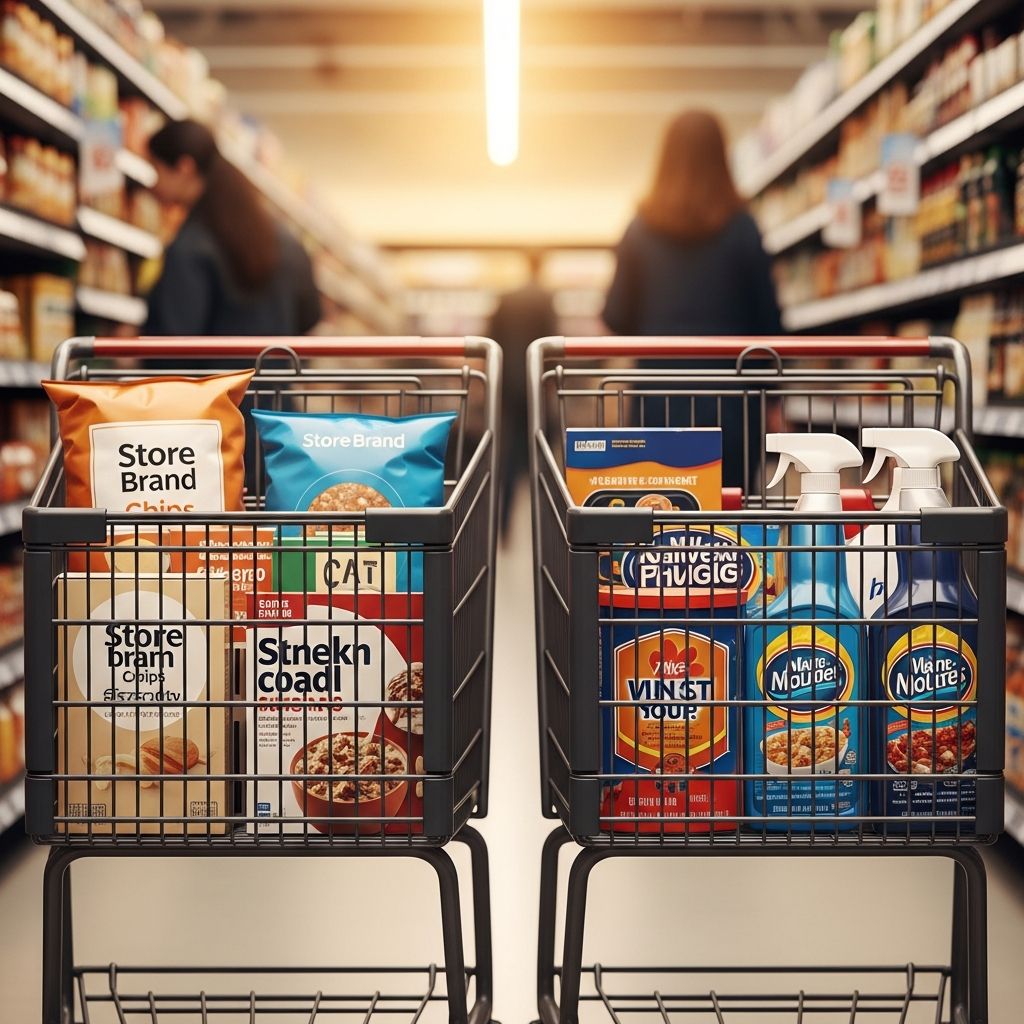
Shopping for groceries and household essentials often involves a tough choice: reach for the familiar name brand or opt for the cheaper store brand? Name brands dominate shelves with flashy packaging and heavy advertising, building trust through reputation. Yet store brands, also called private labels or generics, promise similar quality at a fraction of the cost—often 25% less on average. This article breaks down the differences, backed by taste tests and consumer data, to help you decide when to save and when to spend.
Are Store Brands Really as Good as Name Brands?
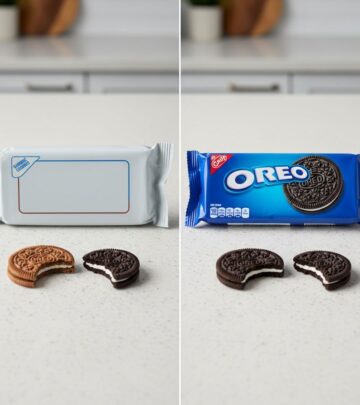
Not always identical, but frequently close enough—or even indistinguishable. Consumer Reports conducted blind taste tests on 19 staple products, finding store brands tied with name brands in 10 cases, outperformed them once, and lost in eight. Savings ranged from 5% on frozen lasagna to 60% on ice cream, with nutrition profiles often matching.
Store brands achieve this parity because many are manufactured by the same suppliers as name brands, sometimes using identical formulas but sold under the retailer’s label to cut marketing costs. A Private Label Manufacturers Association report notes that one in five U.S. grocery products is a store brand, often produced by established manufacturers. However, formulations can differ; store versions might use lower-grade ingredients to hit price points, leading to subtle variances in taste or performance.
Consumer surveys reinforce this: 72% of over 24,000 shoppers bought store brands recently, with 74% highly satisfied. Of those polled, 78% rated them “the same” as name brands. In blind tests by NBC News, 39% preferred store brands—a virtual tie. The verdict? For most pantry staples, your palate won’t notice the switch, but trial and error is key for personal preferences.
Why Store Brands Cost Less (and How They Keep Prices Low)
The price gap stems from business strategies, not always inferior quality. Name brands invest heavily in research, development, advertising, and premium packaging, inflating costs. Store brands skip these, passing savings to you—up to 25-30% according to experts.
- No advertising overhead: Brands like Tide spend millions on TV ads; store brands rely on shelf space.
- Shared manufacturing: Retailers contract the same factories, slapping on their label without building facilities.
- Lower-grade ingredients: Occasionally used to reduce costs, like cheaper oils in generics, but often identical lists.
- Volume sales: Stores profit more overall by capturing budget shoppers, even at thinner margins per unit.
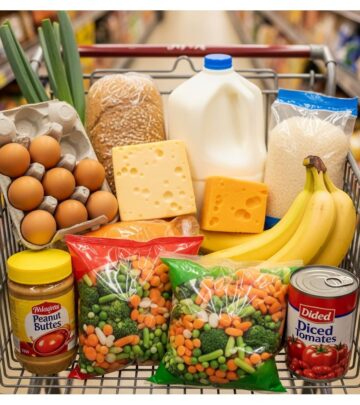
Price differences vary by store: a peanut butter comparison showed Publix store brand just $0.07 cheaper than Jif, but Walmart’s gap hit $0.92—making coupons potentially tip name brands ahead. Economic pressures like commodity droughts narrow gaps, as store brand prices rise faster.
Store Brands Continue to Gain Market Share
Private labels aren’t a fad; they’re eroding name brand dominance. An Accenture survey found two-thirds of shoppers’ carts at least half store brands, especially in milk, bread, cheese, and baked goods. Over 87% of consumers choose them to combat rising food prices.
Retailers innovate with tiers: basic generics for value hunters, premium organics (e.g., Publix organics, Costco Kirkland bourbon) for upscale tastes. Once trust builds, store brands become “national brands within four walls,” per analyst Matt Arnold. Switching back requires permanent name-brand discounts.
In tough times, savings drive adoption—MSU Extension notes up to 25% off with comparable taste. Chains like Kroger offer store mac-and-cheese at two-for-$6 vs. name brands, sealing the deal for savvy shoppers.
Product-by-Product Comparison: When to Choose Store vs. Name Brand
Not all categories are equal. Here’s a breakdown based on tests and expert insights:
| Category | Store Brand Wins/Ties | Name Brand Edge | Avg. Savings | Recommendation |
|---|---|---|---|---|
| Pantry Staples (pasta sauce, peanut butter) | Tie or better (identical ingredients often) | Rarely | 20-30% | Store brand |
| Dairy (milk, cheese, yogurt) | Frequent ties | Consistency | 15-25% | Store brand |
| Baked Goods/Bread | High satisfaction | Freshness varies | 25% | Store brand |
| Cleaning (bleach, detergent) | Ingredient matches | Tide’s stain power | 10-20% | Name for laundry |
| Frozen (lasagna, ice cream) | One store win, ties | Texture | 5-60% | Store brand |
| Paper Products (towels) | Subjective absorbency | Bounty quicker | 20% | Test store |
Pro tip: Compare labels side-by-side. Matching ingredients signal parity. For bleaches and detergents, some stick to names like Tide for proven power.
Tips for Smart Shopping: Maximize Savings Without Regret
Stretch your dollar strategically:
- Start small: Test one category at a time—peanut butter over paper towels.
- Blind taste test: Family challenges reveal true preferences.
- Coupon stack: Name brands + coupons can beat store prices.
- Ingredient check: Identical lists mean go generic.
- Premium tiers: Try upscale store lines like Kirkland for organics.
- Bulk buys: Warehouse clubs amplify store brand value.
Consumer Reports’ market basket test saved most ($66 vs. $164 impulsive) via store brands. Shoppers like Maria Ozuna report 10-15% routine savings.
Frequently Asked Questions (FAQs)
Are store brands made in the same factories as name brands?
Yes, often by the same manufacturers using similar or identical formulas, minus branding costs.
Do store brands taste the same?
In blind tests, they tie or win ~50% of cases; nutrition matches closely.
When should I buy name brands?
For detergents, premium paper towels, or when coupons close the gap.
How much can I save?
25% average, up to 60% on items like ice cream.
Are store brands nutritious?
Generally yes, with similar profiles; always check labels.
Bottom Line: Give Store Brands a Shot
Store brands deliver wallet wins without major quality trade-offs. With ties dominating tests and massive adoption, they’re smart for budgets. Experiment, compare, and save—your taste buds and bank account will thank you.
References
- Store-Brand vs. Name-Brand Taste-Off — Consumer Reports. 2012-10-01. https://www.consumerreports.org/cro/magazine/2012/10/store-brand-vs-name-brand-taste-off/index.htm
- Brand Name vs. Store Brand: What’s the Difference? — Island Scene. 2023-01-15. https://islandscene.com/brand-name-vs-store-brand-whats-the-difference
- Store Brand vs. Name Brand: What’s Really Worth the Extra Money? — The Penny Hoarder. 2023-05-20. https://www.thepennyhoarder.com/save-money/store-brand-vs-name-brand/
- Store Brand vs. Name Brand: How to Save Money on Your Grocery Bill — ABC15 Arizona. 2024-03-12. https://www.abc15.com/news/smart-shopper/store-brand-vs-name-brand-how-to-save-money-on-your-grocery-bill
- Brand Name Products Vs. Generic Store Brands — NBC News (YouTube). 2019-07-10. https://www.youtube.com/watch?v=S4rL5yfJkis
- Cheaper Store Brands Not Always Worth Savings — Michigan State University Extension. 2022-08-05. https://www.canr.msu.edu/news/cheaper_store_brands_not_always_worth_savings
Similar Articles








Read full bio of medha deb