Storage Units and Renters Insurance Coverage
Discover how renters insurance protects your belongings in storage units, including limits, exclusions, and ways to enhance protection for peace of mind.
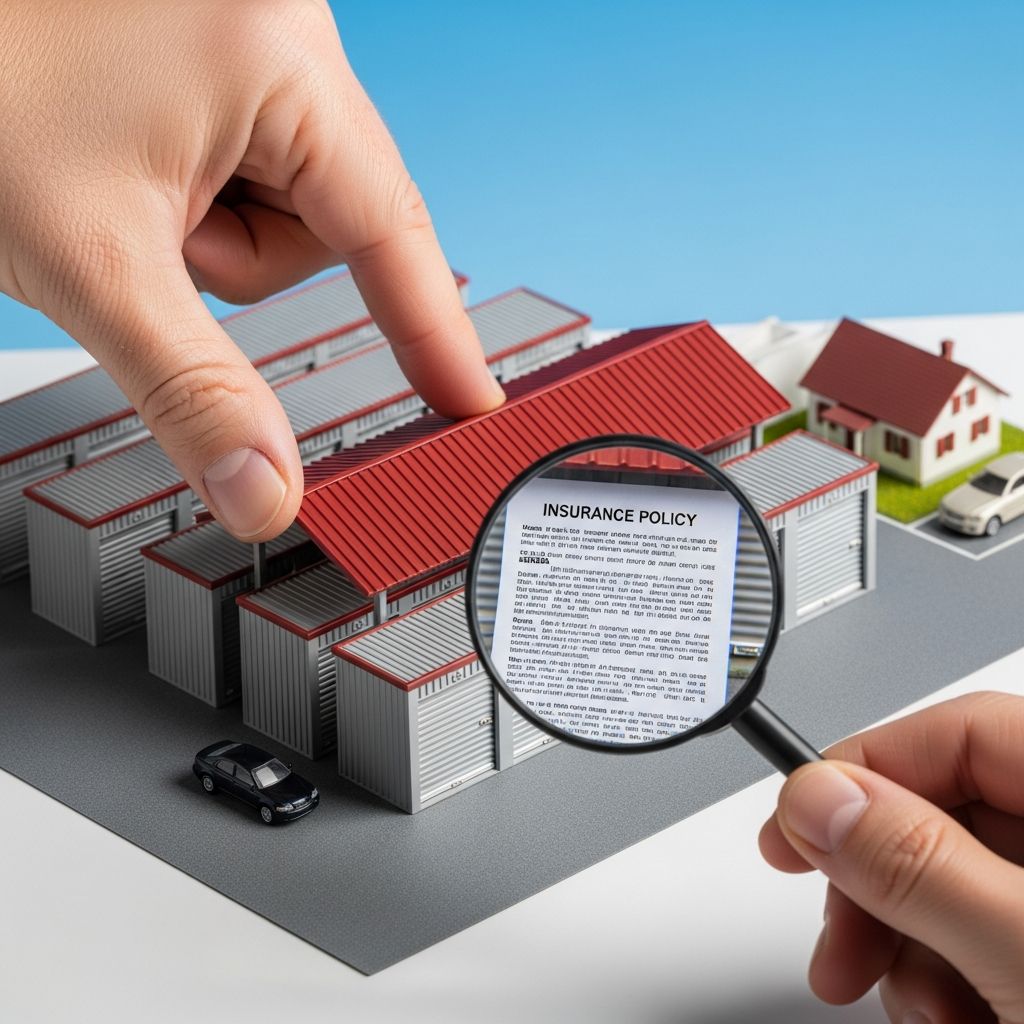
Renters insurance generally extends protection to personal belongings kept in storage units, offering coverage against common risks like theft, fire, and vandalism, though typically capped at a sub-limit such as 10% of your total personal property coverage.
Understanding Off-Premises Protection in Renters Policies
Standard renters insurance policies include personal property coverage that follows your items beyond your rental home. This off-premises coverage applies to storage facilities, safeguarding furniture, electronics, clothing, and other valuables from specified perils.
For instance, if a fire damages your stored possessions or burglars break in, your policy may reimburse replacement costs up to the applicable limit, minus your deductible. However, this protection is not unlimited; insurers impose restrictions to manage risk exposure at remote locations like self-storage sites.
Typical Coverage Limits for Stored Items
Most policies restrict storage unit coverage to a percentage of your overall personal property limit, commonly 10%, or a flat amount like $1,000, whichever is greater. Consider a policy with $40,000 in personal property coverage: storage protection might max out at $4,000.
| Personal Property Limit | Storage Sub-Limit (10%) | Flat Minimum (Common) |
|---|---|---|
| $20,000 | $2,000 | $1,000 |
| $30,000 | $3,000 | $1,000 |
| $50,000 | $5,000 | $1,000 |
These figures vary by insurer and state. In areas like California, New York, Connecticut, Virginia, and Florida, limits often tie directly to 10% of Coverage C, while other states cap at $1,000 regardless. Always review your declarations page for exact terms.
Perils Covered in Storage Facilities
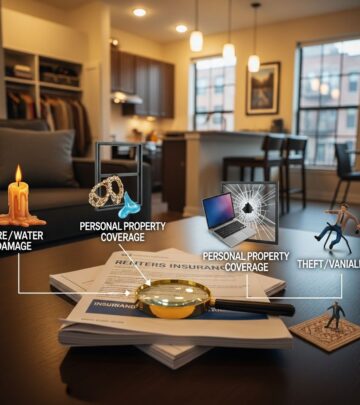
Renters policies protect against a defined list of perils, which apply equally to stored items. Key covered events include:
- Fire and smoke damage: Critical for units vulnerable to neighboring fires or electrical issues.
- Theft and burglary: Reimbursement for stolen goods after a break-in, subject to police reports.
- Vandalism: Intentional damage by third parties.
- Water damage from leaks: Coverage for pipe bursts or roof leaks, but not floods.
- Windstorm or hail: Weather events causing structural failure.
These perils mirror home coverage, ensuring consistency, but proof of loss like photos or inventories strengthens claims.
Common Exclusions and Limitations
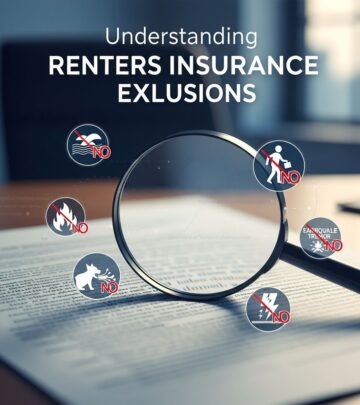
Not all incidents qualify for reimbursement. Frequent exclusions for storage units encompass:
- Flooding and earthquakes: Require separate policies from providers like the National Flood Insurance Program.
- Mold, mildew, or vermin: Preventive maintenance is your responsibility.
- Wear and tear or neglect: Policies cover sudden losses, not gradual deterioration.
- High-value items: Jewelry, art, or collectibles may have additional sub-limits.
- Business property: Commercial inventory typically needs specialized coverage.
Storage facilities often disclaim liability for your contents, shifting responsibility to your policy.
State Variations in Storage Coverage Rules
Coverage parameters differ by location due to regulatory differences. For example:
- In New York, California, etc., sub-limits scale with personal property amounts.
- Other states enforce strict $1,000 caps, non-increasable in many cases.
Insurers like Progressive and Farmers note worldwide off-premises protection but emphasize storage-specific caps. Contact your agent for state-specific endorsements.
Storage Facility Requirements and On-Site Options
Many facilities mandate proof of insurance upon rental, often specifying minimum coverage like $5,000. Non-compliance may void agreements or incur fees.
Facilities partner with providers for tenant insurance, offering plans from $10-20 monthly covering fire, theft, and water up to $10,000. These fill gaps if your renters limit is insufficient, avoiding duplicate premiums.
Steps to Maximize Protection for Stored Belongings
To ensure comprehensive safeguarding:
- Inventory items: Document with photos, serial numbers, and appraisals.
- Review policy limits: Increase personal property coverage if storing valuables, especially in scalable states.
- Add endorsements: Scheduled personal property riders for high-end items.
- Shop add-ons: Consider storage-specific policies for excess value.
- Secure the unit: Use locks, alarms, and climate control to mitigate risks.
During moves or renovations, notify your insurer to confirm temporary coverage.
Filing a Claim for Storage Unit Losses
If damage occurs:
- Report promptly to your insurer and facility manager.
- File a police report for theft/vandalism.
- Submit inventory, receipts, and evidence.
- Cooperate with adjusters for valuation.
Expect deductibles of $500-$1,000; actual cash value or replacement cost depends on your policy.
Cost-Benefit Analysis: Renters vs. Storage Insurance
| Option | Pros | Cons | Typical Cost |
|---|---|---|---|
| Renters Insurance | Broad perils, affordable, worldwide coverage | Low sub-limits, exclusions | $15/month |
| Storage Tenant Insurance | Higher limits, facility-specific | Narrower perils, extra premium | $10-25/month |
| Combined | Layered protection | Cost overlap | $25-40/month |
Layering provides optimal security for high-value storage.
Frequently Asked Questions
Does renters insurance cover storage units nationwide?
Yes, but limits vary by state and policy; typically 10% or $1,000 max.
What if my stored items exceed the sub-limit?
Purchase supplemental storage insurance or increase base coverage where possible.
Are floods covered in storage units?
No, standard policies exclude floods; seek flood insurance separately.
Do storage companies insure my contents?
Usually not; they require your coverage and may sell add-ons.
Can I store business items?
Limited; business policies recommended for inventory.
Choosing the Right Coverage Strategy
Evaluate total stored value against limits, factor in risks like location and contents, and compare quotes. Annual policy reviews ensure alignment with changing needs, preventing underinsurance pitfalls.
References
- Does Renters Insurance Cover Storage Units? — Progressive. 2024. https://www.progressive.com/answers/renters-insurance-for-storage-units/
- Does Renters Insurance Typically Cover Storage Units? — Farmers Insurance. 2024. https://www.farmers.com/learn/insurance-questions/does-renters-insurance-cover-storage-units/
- Does Renters Insurance Cover Storage Units? — Lemonade. 2024. https://www.lemonade.com/renters/explained/does-renters-insurance-cover-storage-units/
- Does Renters Insurance Cover Storage Units? — GEICO. 2024. https://www.geico.com/information/aboutinsurance/renters/does-renters-insurance-cover-storage-units/
- Does Renters Insurance Cover Storage Units? — Nationwide. 2024. https://www.nationwide.com/lc/resources/home/articles/does-renters-insurance-cover-storage-units
- Does Renters Insurance Cover Storage Units? — Experian. 2024. https://www.experian.com/blogs/ask-experian/does-renters-insurance-cover-storage-units/
Similar Articles








Read full bio of Sneha Tete