Stop Payment Orders: How They Work And Key Rules
Discover how stop payment orders protect your checking account from unauthorized or erroneous transactions with this detailed guide.

Stop payment orders provide a critical safeguard for checking account holders, allowing them to instruct their bank not to process specific checks or electronic debits before they clear. This mechanism is essential for addressing errors, fraud, or changes in payment circumstances, but it comes with strict timelines, fees, and limitations.
Defining Stop Payment Requests
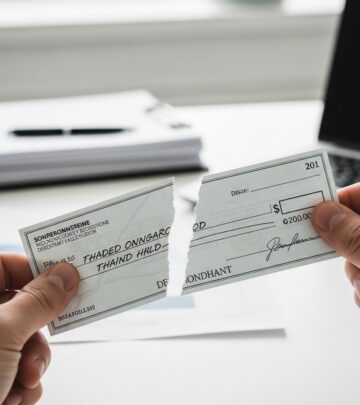
A stop payment request is a formal instruction from an account holder to their financial institution to block the processing of a particular check or pre-authorized electronic transfer. This applies only if the payment remains pending and has not yet been honored by the recipient’s bank. For instance, if a check is lost, stolen, or issued incorrectly, the account holder can initiate this order to prevent funds from leaving their account.
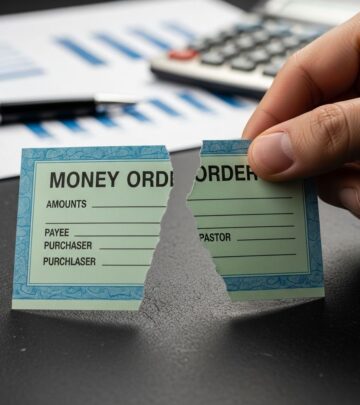
These orders differ from disputing cleared transactions, as they target items in the clearance pipeline. Banks flag the specified payment details—such as check number, amount, payee, and date—to reject it upon presentation. However, this service excludes cashier’s checks, money orders, or already-processed items, requiring alternative resolution paths like charge disputes for credit cards.
Common Triggers for Placing a Stop Payment
Account holders turn to stop payments in various scenarios to avert financial loss. Key reasons include:
- Mistakes in check details, such as incorrect amounts, payees, or dates.
- Mail delivery errors where checks reach unintended addresses.
- Canceled services or contracts rendering payments obsolete.
- Theft or loss of physical checks.
- Involvement in scams or fraudulent schemes.
Damaged checks also qualify, as they may not process reliably. For electronic recurring debits, like gym memberships or subscriptions, stop payments become necessary if the merchant ignores cancellation requests.
Step-by-Step Guide to Requesting a Stop Payment
Initiating a stop payment involves precise actions to ensure effectiveness. First, verify the transaction’s status via online banking or statements to confirm it hasn’t cleared. Gather details: check number (if applicable), exact amount, payee name, and issue date.
Submit the request through your bank’s channels—online portal, mobile app, phone, or branch visit. Online processes often mirror these steps:
- Select the affected account.
- Input payee, amount, due date, and payment type (check or pre-authorized debit).
- Confirm details and submit.
For phone requests, follow up in writing within 14 days to extend protection. Banks monitor the account and return or reject the payment if presented.
Duration and Renewal of Stop Payment Orders
Stop payments are temporary. Verbal requests typically last 14 days, while written or online submissions endure up to six months, varying by state laws and bank policy. Most states mandate six-month protection for written orders before the check can be cashed if presented later.
Renewals are possible via new requests, potentially incurring extra fees. For permanent blockage, consider closing the account and opening a new one, though this disrupts other services. Ongoing monitoring remains vital post-request.
Associated Costs and Fee Structures
Banks charge for stop payment services to cover administrative efforts. Fees generally range from $20 to $30 per request, though some institutions charge more or offer waivers for premium accounts. Electronic stops may cost similarly or less.
| Request Method | Typical Fee Range | Duration |
|---|---|---|
| Verbal (Phone) | $20-$35 | 14 days |
| Written/Online | $20-$30 | Up to 6 months |
| Renewal | $15-$30 | Additional period |
Fee variations depend on the bank; always check your institution’s schedule.
Limits and Scenarios Where Stop Payments Fail
Not all payments qualify. Once cleared—funds transferred to the payee—stops are impossible; pursue disputes instead. Pre-authorized debits require three-day advance notice verbally, with written confirmation.
Merchant refusals to cancel subscriptions necessitate stops, but direct resolution is preferable. Account holders alone can authorize requests. For ACH errors like duplicates or wrong amounts, similar processes apply.
Impact on Credit and Account Standing
Legitimate stop payments do not harm credit scores, as they prevent rather than cause overdrafts. However, unresolved disputes or frequent use might flag accounts for review. Successful stops maintain funds availability, aiding cash flow.
Best Practices for Effective Use
To maximize utility:
- Act swiftly upon discovery.
- Document all communications.
- Monitor accounts regularly.
- Cancel services directly first for recurrings.
- Consider alternatives like digital payments to minimize check reliance.
Switching to electronic transfers or apps reduces stop payment needs.
Frequently Asked Questions
Can I stop a payment after mailing the check?
Yes, if it hasn’t cleared, provide details promptly to your bank.
How long does a stop payment last?
Up to six months for written requests; renew as needed.
Does stopping a check affect my credit?
No, it protects your funds without credit impact.
Can I stop electronic debits?
Yes, for pre-authorized ones, with timely notice.
What if the check clears despite the stop?
Contact your bank immediately for reversal options.
Alternatives to Traditional Stop Payments
Beyond stops, options include account closure for persistent issues or fraud alerts. Digital banking tools offer real-time controls, like pending transaction blocks. For recurrings, revoke authorizations via the merchant portal.
In fraud cases, report to authorities and enable transaction alerts. Preventive measures like positive pay for businesses enhance security.
References
- What Is a Stop Payment and How Does It Work? — Experian. 2023. https://www.experian.com/blogs/ask-experian/what-is-stop-payment-on-checking-account/
- Stop Payment: Understanding Its Legal Definition and Implications — USLegalForms. 2024. https://legal-resources.uslegalforms.com/s/stop-payment
- What Is a Stop Payment? — PNC Insights. 2024. https://www.pnc.com/insights/personal-finance/spend/what-is-a-stop-payment.html
- Stop Payment – Overview, How It Works, Costs, Examples — Corporate Finance Institute. 2024. https://corporatefinanceinstitute.com/resources/wealth-management/stop-payment/
- Stop a Payment — TD Bank. 2025. https://www.td.com/ca/en/commercial-banking/wbb/help/wbwstopapayment
- How to Stop Payment on a Check — Citi. 2024. https://www.citi.com/banking/personal-banking-guide/basic-finance/how-to-stop-payment-on-check
- How do I stop payment on a check? — Consumer Financial Protection Bureau. 2024-10-01. https://www.consumerfinance.gov/ask-cfpb/how-do-i-stop-payment-on-a-check-en-983/
Similar Articles








Read full bio of Sneha Tete