Stop Payment Orders: How They Work And How To Place One
Master the process of halting checks and electronic payments to safeguard your finances effectively.

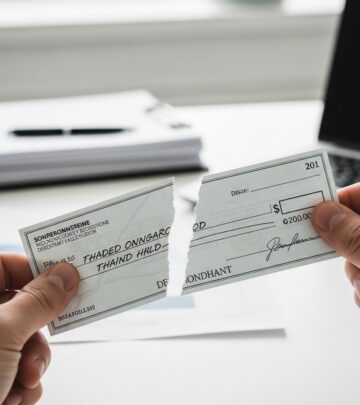
Stop payment orders provide account holders with a critical tool to prevent unauthorized or erroneous transactions from draining their funds. This mechanism allows individuals to instruct their bank to block specific payments before they process, offering protection against lost checks, fraud, or unwanted recurring debits.
Understanding the Fundamentals of Stop Payments
A stop payment serves as an official directive from a customer to their financial institution to refuse processing a particular check or electronic transfer. It applies primarily to paper checks that have not yet been cashed and automated clearing house (ACH) debits scheduled for future withdrawal. The key is timing: the instruction must precede the payment’s clearance, as banks cannot reverse completed transactions.
Financial institutions implement this by flagging the item in their system. For checks, this flag prevents the paying bank from honoring it when presented. Electronic payments receive similar treatment, halting debits from merchants or service providers. This process empowers users to regain control swiftly in scenarios like stolen checks or canceled subscriptions.
Common Scenarios Requiring a Stop Payment
- Lost or stolen checks: If a check goes missing after issuance, a stop payment blocks cashing attempts, mitigating fraud risks.
- Erroneous payments: Mistakes in amount, payee, or duplicate issuances can be corrected before funds leave the account.
- Recurring debits to cancel: Ending gym memberships, subscriptions, or utility autopays often necessitates stopping future ACH pulls.
- Fraud prevention: Suspected unauthorized activity prompts immediate halts on pending items.
These situations highlight the versatility of stop payments, but success hinges on prompt action.
Step-by-Step Guide to Placing a Stop Payment on Checks
Initiating a stop payment on a check demands precise details and quick execution. Begin by verifying the check’s status through online banking or statements to ensure it remains uncleared.
- Collect essential details: Note the check number, date written, payee name, exact amount, and your account number.
- Contact your bank: Methods vary—phone, app, online form, or branch visit. Verbal requests may require written confirmation within 14 days.
- Submit the request: Provide all information accurately; banks flag the check upon receipt if timely.
- Confirm receipt: Obtain a reference number and check expiration policy, typically 6-12 months.
Banks like Chase emphasize gathering payee and date info upfront for efficiency. Citi notes online or app options at some institutions, streamlining the process.
| Detail | Purpose |
|---|---|
| Check Number | Identifies the exact item |
| Date Issued | Confirms validity |
| Payee | Specifies recipient |
| Amount | Matches transaction |
| Account Number | Links to your funds |
Handling Stop Payments for Electronic and ACH Debits
Electronic payments, especially ACH, follow similar protocols but with nuances. Confirm the debit is pending via account activity. Gather account number, payee (merchant), amount, and scheduled date.
Request the stop at least three days prior for verbal instructions, followed by written follow-up. Unlike checks, ACH stops can target single instances or all future debits from a source, potentially without expiration for ongoing halts.
Important caveat: Stopping a debit does not cancel underlying obligations. Contact the merchant to terminate services or contracts, as they may pursue alternative collection. For loans or essential bills, alternative payment arrangements are necessary.
Costs and Fees Associated with Stop Payments
Most banks impose fees comparable to returned check charges, ranging from $20-$35 per request. Online or phone placements might incur lower costs, while premium accounts could waive them.
- Check stop payments: $30 average, charged to issuer.
- ACH stops: Similar fees, potentially recurring for series halts.
- Extensions: Additional charges for renewals beyond initial term.
Always inquire about your bank’s policy; fees fund the administrative effort of system flags and monitoring.
Duration and Expiration of Stop Payment Orders
Check stop payments endure 6-12 months, varying by institution. Post-expiration, the check clears if presented. Renewals via new requests extend protection, often at extra cost.
ACH stops for single debits mirror check durations, but blanket future stops from a payee may persist indefinitely, enhancing long-term security. Track via bank alerts to renew proactively.
Potential Limitations and Risks
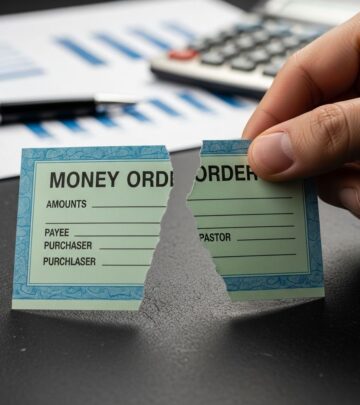
Not all payments qualify: cashier’s checks, money orders, or cleared items are ineligible. Post-processing reversals are rare and fee-heavy.
Risks include:
- Legal obligations: Payees may sue for nonpayment if owed.
- Relationship strain: Repeated stops with vendors could complicate future dealings.
- Fraud flags: Excessive requests might trigger account reviews.
Consumer Financial Protection Bureau advises immediate bank contact for best outcomes.
Best Practices for Effective Use
To maximize utility:
- Act fast—delays risk processing.
- Document everything: requests, confirmations, communications.
- Monitor accounts regularly for anomalies.
- Combine with fraud alerts or account freezes for robust defense.
- Explore alternatives like digital payments with easier revocation.
Bar Harbor Bank stresses promptness for control. PNC recommends checking clearance first.
Frequently Asked Questions (FAQs)
Can I stop a payment online?
Yes, many banks offer app or web options; otherwise, phone or branch works. Confirm your institution’s method.
How long does a stop payment last?
6-12 months for checks; variable for ACH, renewable as needed.
Will I get charged a fee?
Typically $20-35; check for waivers on certain accounts.
Does stopping payment cancel my debt?
No, it only blocks the transaction; resolve with payee separately.
What if the check is already cashed?
Stop payments cannot reverse cleared items.
Alternatives to Traditional Stop Payments
Modern banking offers enhancements:
- Digital wallets: Easier revocation than checks.
- Bank apps: Real-time transaction blocking.
- Merchant portals: Cancel autopay at source.
- Account alerts: Proactive notifications.
Transitioning reduces reliance on stop orders.
References
- Stop Payment on a Check or ACH — Bar Harbor Bank. 2023. https://www.barharbor.bank/personal/stop-payment-on-a-check-or-ach
- Stop Payment: How Does It Work? — Chase. 2024. https://www.chase.com/personal/banking/education/basics/stop-payment
- Stop Payment – Overview, How It Works, Costs, Examples — Corporate Finance Institute. 2023. https://corporatefinanceinstitute.com/resources/wealth-management/stop-payment/
- What Is a Stop Payment? — PNC Insights. 2024. https://www.pnc.com/insights/personal-finance/spend/what-is-a-stop-payment.html
- How to Stop Payment on a Check — Citi. 2024. https://www.citi.com/banking/personal-banking-guide/basic-finance/how-to-stop-payment-on-check
- What Is a Stop Payment and How Does It Work? — Experian. 2024. https://www.experian.com/blogs/ask-experian/what-is-stop-payment-on-checking-account/
- How do I stop payment on a check? — Consumer Financial Protection Bureau. 2024. https://www.consumerfinance.gov/ask-cfpb/how-do-i-stop-payment-on-a-check-en-983/
Similar Articles








Read full bio of medha deb