How to Stop Payment on a Lost or Stolen Check
Learn how to stop payment on lost or stolen checks and protect your finances.

Losing a check or discovering that one has been stolen can be a stressful situation, but fortunately, you have options to protect your finances. One of the most effective tools available to bank customers is the ability to place a stop payment order on a check that hasn’t been cashed. Understanding how this process works, what it costs, and when to use it can help you regain control of your finances and prevent unauthorized transactions.
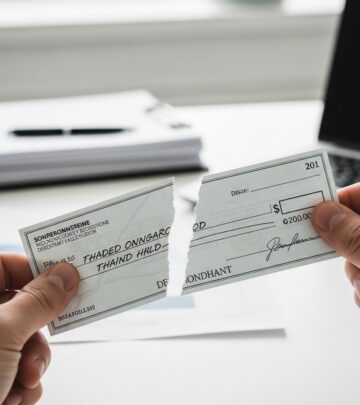
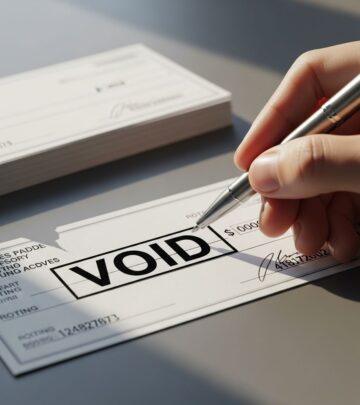
A stop payment order is a request you make to your bank or credit union to prevent a specific check from being cashed or deposited. When you place a stop payment order, your financial institution flags the check in their system, which alerts them not to process the payment if someone attempts to cash or deposit it. This protective measure can save you from significant financial loss if your check falls into the wrong hands or if you need to cancel a payment for legitimate reasons.
Why You Might Need to Stop Payment on a Check
There are several legitimate reasons why you might want to place a stop payment order on a check. Understanding these scenarios can help you determine whether this action is right for your situation.
Lost or Stolen Checks: If you’ve misplaced a check or suspect it has been stolen, placing a stop payment order is one of your best defenses. This prevents someone from finding the check and attempting to cash it fraudulently. Reporting a stolen check immediately to your bank and law enforcement is essential to protect your account.
Errors on the Check: You may have written a check with incorrect information, such as the wrong amount, wrong recipient name, or incorrect date. Rather than hoping the payee doesn’t cash it, you can stop payment and issue a corrected check instead.
Check Sent to Wrong Address: If you accidentally mailed a check to an incorrect address, stopping payment prevents a stranger from depositing the check meant for someone else.
Recipient Lost the Check: Sometimes the person or organization you intended to pay has lost the check you sent them. Rather than waiting and wondering if it will eventually be found and cashed, you can stop payment and send a replacement.
Canceled Services or Contracts: If you wrote a check for services that were later canceled or not provided, you may want to stop payment rather than allow the payment to process.
Insufficient Funds: If circumstances change and you no longer have sufficient funds in your account to cover the check, stopping payment can prevent an overdraft situation.
Can You Stop Payment on Any Check?
While stop payment orders are useful tools, there are important limitations to understand. The most critical limitation is timing: you can only stop payment on a check that hasn’t already cleared your account. Clearing occurs when the money has been successfully transferred from your account to the recipient’s account.
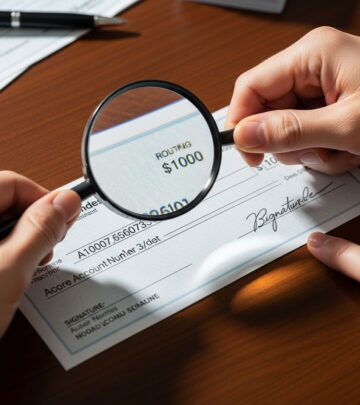
To determine whether you can stop payment on a specific check, log into your online banking account and review your transaction history. If the check appears as cleared or processed, you cannot stop payment. However, if it hasn’t cleared yet, you can typically place a stop payment order.
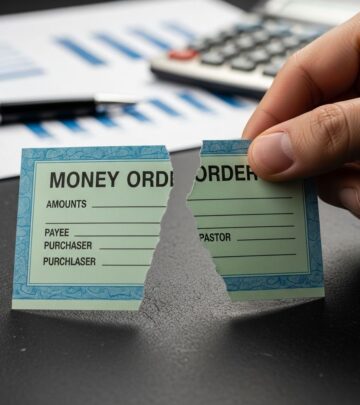
Another important consideration involves cashier’s checks. Banks are generally not required to stop payment on cashier’s checks, even if they are lost or stolen, because a cashier’s check is drawn directly from your bank’s funds rather than your personal account. However, in cases of fraud, your bank may make an exception and stop payment on a cashier’s check. If your cashier’s check is lost, stolen, or destroyed, contact your bank immediately to inquire about your options.
How to Place a Stop Payment Order
The process of placing a stop payment order varies slightly depending on your financial institution, but most banks and credit unions follow similar general steps.
Step 1: Verify the Check Hasn’t Cleared Before contacting your bank, confirm that the check hasn’t already been cashed or deposited. Review your account transaction history to check the status of the payment. If it shows as cleared or posted, you won’t be able to stop payment.
Step 2: Gather Necessary Information Have the following details ready before you contact your bank:
- Your checking account number
- The specific check number
- The exact amount of the check
- The date the check was written
- The name of the payee (the person or organization the check was written to)
- If applicable, the name of the person who signed the check
Step 3: Contact Your Bank Different banks offer various methods for placing a stop payment order. You may be able to:
- Submit a request through your bank’s online banking website
- Use your mobile banking app
- Call your bank’s customer service line (the number is typically on the back of your debit card)
- Visit a local branch in person
- Mail a written request to your bank
Choose the method that works best for you, but be aware that some banks may charge different fees depending on how you submit your request. For example, placing a stop payment order by phone might cost more than doing it online.
Step 4: Authorize the Stop Payment Fee Most banks charge a fee to process your stop payment request. You’ll need to authorize your bank to deduct this fee from your account as part of accepting the stop payment order.
Step 5: Monitor Your Account After the stop payment order has been processed, continue to monitor your account transaction history to ensure the check doesn’t get cashed and to verify that the stop payment was effective.
Stop Payment Fees and Costs
One of the important considerations when placing a stop payment order is the potential cost involved. Financial institutions typically charge fees for processing stop payment requests, and these fees can vary significantly.
Most banks and credit unions charge between $20 and $30 per stop payment request. Some financial institutions may charge fees as high as $30 or more. The specific fee amount can depend on several factors, including how you submit your request, your account type, and your financial institution’s fee schedule.
In some cases, you may be able to avoid or reduce stop payment fees. Some banks offer stop payment services for free to customers with premium or high-tier checking accounts. Additionally, a few banks and credit unions don’t charge for stop payment orders at all, so it’s worth checking with your specific institution about their policies.
If you’re disputing who should pay the stop payment fee, the Consumer Financial Protection Bureau indicates that you may ask the person who lost the check to reimburse you for any stop payment fees your bank or credit union charges.
How Long Does a Stop Payment Order Last?
It’s important to understand that a stop payment order doesn’t protect your account indefinitely. Most stop payment orders remain in effect for approximately six months. After the six-month period expires, the stop payment order will no longer be active, and theoretically, someone could attempt to cash the check.
However, most banks are not required to cash checks that are more than six months old, which provides an additional layer of protection. If you’re concerned about a check being presented after your stop payment order expires, you can typically renew the order for another six-month period. Contact your bank to discuss renewal options if needed.
Stopping Payment on Recurring Automatic Payments
Stop payment orders aren’t limited to individual checks. You can also request stop payments for recurring bill payments or pre-authorized ACH (Automated Clearing House) debit transactions. However, the process and timing requirements are different from individual checks.
Federal law requires that you make a stop payment request for recurring ACH payments orally or in writing to your bank at least three business days before the payment is scheduled to transfer. If you call your bank to make an oral request, your bank may require written confirmation of the request within 14 days.
What to Do If Your Check Has Already Cleared
If you discover that your lost or stolen check has already been cashed or deposited before you could place a stop payment order, your options are more limited but not nonexistent. If the check was stolen and fraudulently cashed, it’s crucial to contact your bank immediately and report the fraudulent transaction. Your financial institution may be able to investigate the matter and potentially reverse the transaction, depending on the circumstances.
If the check was lost and the payee cashed it legitimately after finding it, you’ll need to contact the payee directly to resolve the situation. Explain what happened and ask them to help rectify the issue. Depending on your relationship with the payee and the circumstances, they may agree to return the funds or work out an alternative arrangement.
Protecting Yourself Going Forward
To minimize the likelihood of needing to place stop payment orders in the future, consider implementing these protective measures:
- Use online bill payment services or electronic transfers whenever possible
- Keep meticulous records of all checks you write
- Mail checks directly from your mailbox or at the post office rather than leaving them in an unsecured location
- Use secure mailboxes when depositing checks
- Monitor your bank account regularly for unauthorized transactions
- Report lost or stolen checks to your bank immediately
- Consider using certified mail or hand-delivery for important check payments
Communicating with the Payee
If you place a stop payment order on a check, it’s important to notify the person or organization you intended to pay. Let them know that you’ve stopped payment on the original check and explain why. Offer to send a replacement check or arrange an alternative payment method. This communication helps prevent confusion and ensures that the payee understands the situation and can adjust their records accordingly.
Frequently Asked Questions
Q: How much does it cost to stop payment on a check?
A: Most banks charge between $20 and $30 per stop payment request, though some institutions charge more. A few banks offer free stop payment services to all customers or to those with premium accounts.
Q: Can I stop payment on a check that’s already been cashed?
A: No, you cannot stop payment on a check that has already cleared. You can only stop payment on checks that haven’t been processed yet. If fraud is involved, contact your bank immediately to report it.
Q: How long does a stop payment order remain active?
A: Stop payment orders typically remain in effect for approximately six months. You can usually renew the order if you want continued protection beyond that period.
Q: Can I stop payment on a cashier’s check?
A: Banks are generally not required to stop payment on cashier’s checks because they are drawn from the bank’s funds, not your personal account. However, in cases of fraud, your bank may make an exception.
Q: Can I stop payment on recurring bill payments?
A: Yes, you can request stop payments for pre-authorized ACH debit transactions and recurring bill payments. You must make the request at least three business days before the scheduled transfer date.
Q: What information do I need to provide when placing a stop payment order?
A: You’ll typically need your checking account number, the check number, the exact amount, the date written, and the payee name. Having this information ready speeds up the process.
Q: How do I place a stop payment order?
A: You can place a stop payment order through your bank’s online banking website, mobile app, by phone, in person at a branch, or by mailing a written request to your bank.
Q: Who should pay the stop payment fee if someone else lost my check?
A: You may ask the person who lost the check to reimburse you for any stop payment fee your bank charges.
References
- Stop Payment: How Does It Work? — Chase Bank. Accessed 2025-11-29. https://www.chase.com/personal/banking/education/basics/stop-payment
- How to Cancel a Lost Check — NerdWallet. Accessed 2025-11-29. https://www.nerdwallet.com/banking/learn/how-to-cancel-a-check
- How to Stop Payment on a Check — Citibank. Accessed 2025-11-29. https://www.citi.com/banking/personal-banking-guide/basic-finance/how-to-stop-payment-on-check
- What Is a Stop Payment? — PNC Bank. Accessed 2025-11-29. https://www.pnc.com/insights/personal-finance/spend/what-is-a-stop-payment.html
- I wrote a check to a merchant or store, and they lost it. They say I have to pay again. Do I have to pay? — Consumer Financial Protection Bureau (CFPB). Accessed 2025-11-29. https://www.consumerfinance.gov/ask-cfpb/i-wrote-a-check-to-a-merchant-or-store-and-they-lost-it-they-say-i-have-to-pay-again-do-i-have-to-pay-en-1093/
- Stop Payment and Cancellation of Checks — UCLA Purchasing. Accessed 2025-11-29. https://purchasing.ucla.edu/invoice-resolution/checks
- Order Checks, Stop Payments, and Other Requests Questions — Wells Fargo. Accessed 2025-11-29. https://www.wellsfargo.com/help/checking-savings/order-checks-faqs/
Similar Articles








Read full bio of medha deb