Stop Loss Order: Protecting Your Investment Portfolio
Master stop loss orders: Limit losses, protect gains, and automate your investment strategy.

What Is a Stop Loss Order?
A stop loss order is a crucial risk management tool that investors and traders use to protect their investment portfolios from significant losses. This type of order provides explicit instructions to a broker to automatically sell a security once its price falls to a predetermined level, known as the stop price or trigger price. By setting a stop loss order, investors establish a maximum loss threshold they are willing to accept on any given investment.
The primary function of a stop loss order is to limit downside risk without requiring constant monitoring of market prices. This automated approach proves invaluable for investors who cannot actively watch their positions throughout the trading day or who are planning extended absences from the market. Rather than hoping a stock will recover or manually deciding when to sell at a loss, a stop loss order removes emotion from the decision-making process and ensures that losses remain within predetermined parameters.
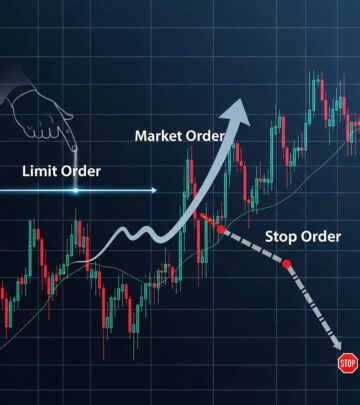
Stop loss orders are market orders that execute at the best available price once the stop price is triggered. This distinction is important because while the trigger price is guaranteed, the actual execution price may differ slightly, particularly during periods of high volatility or gap down openings. Understanding this mechanism helps investors set realistic expectations about their exit points.
How Stop Loss Orders Work
The mechanics of a stop loss order involve several key steps. First, an investor identifies a stock or security they wish to protect and determines an acceptable loss threshold. If an investor purchases 100 shares of a company at $50 per share, they might set a stop loss order at $45 per share, establishing a maximum loss of $5 per share or $500 total on the position.
Once this order is placed with a broker, it remains inactive until the stock price falls to the stop price of $45. At that moment, the stop loss order is triggered and automatically converts into a market order, instructing the broker to sell the shares at the prevailing market price. If the stock has fallen to $44.50, the shares will likely be sold at approximately that price, resulting in a loss slightly greater than anticipated due to normal market movement.
The timing of execution is critical. During normal market conditions, the execution price closely matches the stop price. However, during market gaps, significant news events, or periods of extreme volatility, the execution price can differ substantially from the stop price. This phenomenon, known as slippage, represents an important consideration when setting stop loss levels.
Investors must also consider the order’s duration. Most stop loss orders are day orders, meaning they expire at the end of the trading session if not triggered. Alternatively, investors can place good-till-canceled (GTC) orders that remain active until either the stock price reaches the stop level or the investor manually cancels the order.
Types of Stop Loss Orders
Several variations of stop loss orders exist, each serving different investment strategies and market conditions:
Standard Stop Loss Order
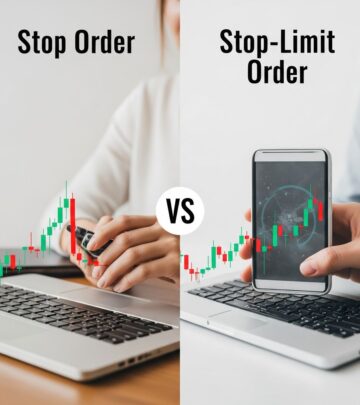
The traditional stop loss order converts to a market order once triggered. This straightforward approach provides certainty that the position will be closed, though the exact execution price remains unknown until the order fills.
Stop Limit Order
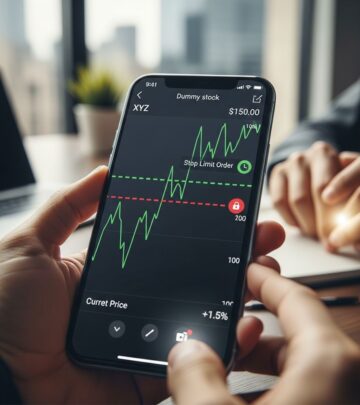
This advanced variation combines the stop loss mechanism with a price limit. The order triggers when the stock reaches the stop price but only executes if the sale can occur at or above a specified limit price. While this provides price protection, it carries the risk that the order may never fill if the stock continues falling below the limit price, leaving the investor exposed to further losses.
Trailing Stop Loss Order
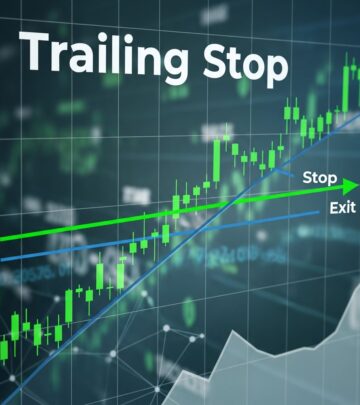
A trailing stop automatically adjusts upward as the stock price rises, maintaining a fixed percentage or dollar amount below the highest price reached. This innovative approach allows investors to participate in upside gains while maintaining downside protection that ratchets up automatically.
Time-Based Stop Loss Orders
Some trading platforms offer orders that trigger based on time rather than price, automatically exiting positions if certain conditions aren’t met within a specified timeframe.
Benefits of Using Stop Loss Orders
Stop loss orders provide numerous advantages that enhance portfolio management and investor discipline:
Emotional Discipline: Perhaps the most significant benefit is removing emotion from selling decisions. Rather than holding a losing position in hope of recovery or panic-selling at market bottoms, a predetermined exit removes psychological bias from the equation.
Portfolio Protection: Stop loss orders create a safety net that prevents catastrophic losses. By automatically exiting positions when they reach loss thresholds, investors cap their maximum downside exposure on any single holding.
Convenience and Automation: Investors can set stop loss orders and then focus on other aspects of their lives without constant market monitoring. This proves particularly valuable for those with other commitments or who trade volatile securities requiring vigilant oversight.
Risk Management Framework: Stop loss orders form the cornerstone of disciplined risk management strategies. They establish clear rules for position management and help maintain consistent risk exposure across a portfolio.
Opportunity for Reinvestment: By automatically closing losing positions, stop loss orders free up capital that can be redeployed into more promising opportunities.
Peace of Mind: Knowing that losses are capped allows investors to pursue their investment strategies with greater confidence and reduced anxiety about catastrophic declines.
Drawbacks and Risks of Stop Loss Orders
Despite their benefits, stop loss orders come with notable limitations that investors must understand:
Execution Price Uncertainty: Particularly during volatile markets, the actual execution price may be significantly worse than the stop price, resulting in greater losses than anticipated.
Gap Risk: When stocks gap down following overnight news or events, the stop price may be skipped entirely, and the order executes at much lower prices than intended.
Whipsaw Trading: In ranging or choppy markets, volatile price swings can trigger stop loss orders prematurely, forcing exits just before the stock rebounds. This “whipsaw” effect can lock in losses that would have recovered naturally.
Reduced Upside Participation: Some investors argue that stop loss orders limit potential gains by forcing exits at predetermined levels before significant rallies occur.
Slippage Costs: The difference between the stop price and execution price, combined with potential bid-ask spreads, can create unexpected transaction costs.
False Triggers: Temporary price dips can trigger stops unnecessarily, especially in thinly traded securities where single large orders can create significant price movements.
Stop Loss Order vs. Other Risk Management Tools
| Tool | Mechanism | Best For |
|---|---|---|
| Stop Loss Order | Automatic sale at predetermined price | Individual stock positions |
| Diversification | Spreading investment across multiple assets | Portfolio-level risk reduction |
| Hedging | Using options or futures to offset losses | Large positions and institutions |
| Asset Allocation | Balancing portfolio between stocks, bonds, etc. | Long-term portfolio construction |
Setting Effective Stop Loss Levels
Determining the appropriate stop loss price requires balancing several competing considerations. Setting stops too close to entry prices triggers unnecessary exits from normal volatility. Conversely, placing stops too far away defeats the purpose of limiting losses effectively.
Many investors use percentage-based stops, exiting positions that decline 10-20% from their purchase price depending on the security’s volatility. More volatile stocks typically warrant wider stops, while stable blue-chip stocks can support tighter stops.
Technical analysis provides another approach, with investors placing stops just below key support levels. This strategy respects natural price levels that historically supported prices, making stops less likely to trigger from routine fluctuations.
Position sizing plays a crucial role in stop loss strategy. Traders who risk only 1-2% of their total portfolio on any single position can afford tighter stops and more aggressive trading, as losses remain manageable even if stopped out frequently.
Common Mistakes to Avoid
Investors frequently misuse stop loss orders in ways that undermine their effectiveness. Not setting stops at all represents the most dangerous mistake, leaving portfolios vulnerable to catastrophic declines. Conversely, some investors set stops too tight, experiencing excessive whipsaws from normal volatility.
Moving stops lower after prices fall violates the core principle of predetermined risk management. This practice essentially abandons the stop loss strategy when it’s needed most. Similarly, manually overriding stops during market stress defeats their purpose.
Failing to adjust stops as stocks advance represents another common error. If a stock purchased at $50 rises to $75, the original $45 stop still allows $30 of gains to evaporate. Trailing stops or periodic stop adjustments help lock in gains while maintaining downside protection.
Frequently Asked Questions
Q: Will a stop loss order guarantee my execution price?
A: No. While the stop price triggers the order, the actual execution occurs at market price, which may differ, particularly during fast-moving markets or gaps down in price.
Q: Can stop loss orders prevent losses during market crashes?
A: Stop loss orders provide limited protection during severe market crashes when stocks gap down significantly. The order executes, but potentially at much lower prices than the stop level.
Q: How long do stop loss orders remain active?
A: Day orders expire at market close if not triggered. Good-till-canceled (GTC) orders remain active until triggered or manually canceled, potentially for several months depending on your broker.
Q: Are stop loss orders suitable for long-term investors?
A: Yes, long-term investors use stop loss orders to protect against permanent losses while allowing normal volatility without triggering exits. However, some long-term investors prefer not using them if they have high conviction in their holdings.
Q: Do stop loss orders cost extra fees?
A: Most brokers charge no additional fees for placing stop loss orders. However, when the order triggers and executes, standard commissions apply.
Q: What is the difference between a stop loss and a stop limit order?
A: A stop loss converts to a market order at execution, guaranteeing sale at some price. A stop limit order only executes at a specified price or better, risking no execution if prices fall too quickly.
Conclusion
Stop loss orders represent a fundamental tool in the investor’s toolkit for managing risk and protecting portfolio capital. By automatically selling securities that decline to predetermined levels, these orders remove emotion from selling decisions and establish clear risk parameters. While they cannot guarantee specific execution prices or protect against severe market gaps, their disciplined approach helps investors maintain consistent risk management practices.
The key to effective stop loss usage lies in thoughtful placement, regular review, and integration into a comprehensive investment strategy. Whether used for swing trading volatile stocks or protecting long-term positions against catastrophic declines, stop loss orders enable investors to pursue their strategies with greater confidence and reduced anxiety about worst-case scenarios.
References
- Investopedia: The Stop Loss Order — Investopedia. 2013-08-12. https://www.investopedia.com/video/play/stop-loss-order/
- How to Use Stop Loss Orders Effectively — U.S. Securities and Exchange Commission (SEC). https://www.sec.gov/investor/
- Stop-Loss Orders: An Effective Risk Management Tool — FINRA (Financial Industry Regulatory Authority). https://www.finra.org/investors/learn-to-invest/types-of-orders
- Understanding Market Orders and Order Types — The Motley Fool. 2024. https://www.fool.com/
- Risk Management in Trading and Investing — CME Group Education. https://www.cmegroup.com/education/
Similar Articles








Read full bio of medha deb