Stop Identity Theft: Key Protection Strategies
Discover proven methods to shield your personal data, monitor credit effectively, and respond swiftly if identity theft strikes in today's digital world.
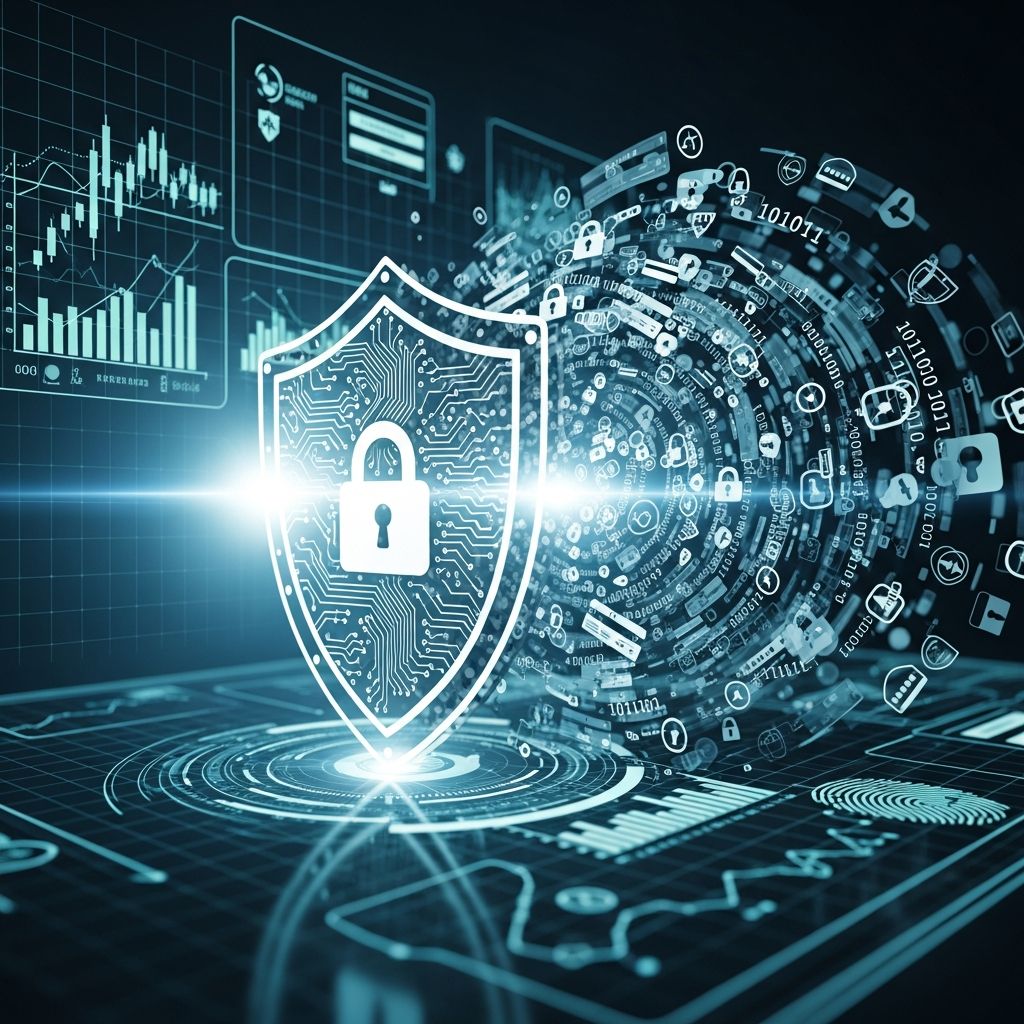
Identity theft remains one of the most pervasive threats to personal financial security, with criminals exploiting digital and physical vulnerabilities to steal sensitive information. In an era of increasing online transactions and data breaches, proactive measures are essential to safeguard your identity. This guide outlines comprehensive strategies to prevent theft, detect early warning signs, and recover effectively if victimized, drawing on recommendations from trusted authorities.
Understanding the Scope of Identity Theft Risks
Identity theft occurs when unauthorized individuals access and misuse your personal details, such as Social Security numbers, bank accounts, or credit histories, leading to fraudulent loans, purchases, or even criminal activities conducted in your name. Common vectors include phishing emails, data breaches at retailers, unsecured public Wi-Fi, and discarded documents containing sensitive data. Recent reports highlight a surge in such incidents, underscoring the need for constant vigilance.
Financial repercussions can be severe: victims often face drained accounts, damaged credit scores, and hours spent resolving disputes. Beyond finances, emotional stress and time loss compound the damage. By implementing layered defenses, individuals can significantly reduce these risks.
Essential Preventive Actions for Everyday Security
Prevention starts with habits that minimize exposure of personal information. Begin by securing physical documents: shred mail with account details, lock mailboxes, and avoid carrying unnecessary IDs like Social Security cards.
- Strengthen Passwords: Create unique, complex passwords for each account using a mix of letters, numbers, and symbols. Change them regularly and avoid reusing across sites.
- Embrace Multi-Factor Authentication (MFA): Enable MFA wherever possible, adding a layer like SMS codes or app approvals to logins.
- Be Cautious Online: Avoid public Wi-Fi for banking; use VPNs if necessary. Never share credit card details unnecessarily or store them on shopping sites.
- Limit Data Sharing: Question requests for personal info and verify legitimacy before providing it.
Prefer credit cards over debit cards for purchases, as they offer better fraud protection and zero liability policies.
Harnessing Credit Monitoring Tools Effectively
Regular credit checks form the backbone of identity protection. Obtain free annual reports from Equifax, Experian, and TransUnion via official channels. Scrutinize for unauthorized accounts, inquiries, or address changes.
| Monitoring Method | Description | Frequency | Cost |
|---|---|---|---|
| Annual Credit Reports | Full reports from three bureaus | Once per year per bureau | Free |
| Credit Score Tracking | Ongoing score and alert services | Monthly or real-time | Free basic / Paid premium |
| Dark Web Scans | Alerts for leaked data | Continuous | Paid |
Review bank statements weekly for anomalies. Set up IRS and Social Security accounts to monitor for fraudulent claims. Services like those from Experian can notify you of dark web exposures.
Fraud Alerts and Credit Freezes: Your Frontline Defenses
These tools are powerful deterrents against new account fraud. A fraud alert notifies creditors to verify your identity before approving credit, lasting one year (extendable to seven with an identity theft report).
A credit freeze, conversely, blocks access to your report entirely, requiring a PIN to lift temporarily for legitimate applications. It’s free, reversible, and must be placed separately with each bureau.
- Initial Fraud Alert: 1 year, free for all.
- Extended Fraud Alert: 7 years, requires FTC report.
- Active-Duty Alert: For military, 1 year, removes from marketing lists.
Freezes don’t affect your score but halt new credit pulls, making them ideal for high-risk periods. Equifax notes both can be used together for maximum protection.
Recognizing and Responding to Warning Signals
Early detection hinges on spotting irregularities:
- Unrecognized bills or collection calls for unknown debts.
- Credit denials despite solid history.
- Tax refund issues or pre-existing account notifications from IRS/SSA.
- Missing mail or unfamiliar addresses on statements.
Act swiftly: Contact issuers to dispute charges, then escalate to bureaus.
Step-by-Step Recovery Protocol if Victimized
If theft is confirmed, follow this sequence:
- Report to FTC: File at IdentityTheft.gov for a recovery plan and affidavit.
- Contact Financial Institutions: Notify banks/creditors of fraud; request account closures or new numbers.
- Place Alerts/Freezes: Implement immediately with all three bureaus.
- File Police Report: Essential for disputes and blocking fraudulent info.
- Block Fraudulent Data: Submit identity theft report, ID proof, and specifics to bureaus for removal within days.
- Monitor Ongoing: Track repairs and consider monitoring services.
Extended alerts provide long-term safeguards post-incident.
Special Considerations for Vulnerable Groups
Children and military personnel face unique risks. Freeze minors’ credit to prevent misuse; parents can do this via bureaus with proof of guardianship. Active-duty members qualify for special alerts.
Seniors should involve family in monitoring, as they are prime targets for scams.
Building Long-Term Resilience Against Evolving Threats
Stay informed via FTC and CFPB updates. Invest in identity protection services judiciously, prioritizing those scanning multiple sources. Educate family on risks, and review security annually.
By layering monitoring, alerts, freezes, and mindful habits, you create formidable barriers. Prevention demands ongoing effort, but the payoff is peace of mind and preserved financial health.
Frequently Asked Questions
What is the difference between a fraud alert and a credit freeze?
A fraud alert prompts verification before credit issuance, while a freeze fully restricts report access.
How do I get free credit reports?
Request from AnnualCreditReport.com, authorized by federal law.
Does a credit freeze impact my credit score?
No, it only limits new inquiries.
What if my child’s information is stolen?
Freeze their credit and report via IdentityTheft.gov.
Can I place a freeze online?
Yes, through each bureau’s secure portal.
References
- Identity Theft Prevention 2025 – DCP Division of Consumer Protection — Utah DCP. 2025-02-10. https://dcp.utah.gov/2025/02/10/avoiding-identity-theft-tips-2025/
- What You Can Do to Avoid Identity and Credit Fraud — Experian. Accessed 2026. https://www.experian.com/blogs/ask-experian/credit-education/preventing-fraud/
- Identity Theft Prevention Guide — Penn State University Ethics. Accessed 2026. https://universityethics.psu.edu/our-expertise/privacy/protect-your-privacy/identity-theft-prevention-guide
- Identity Theft Protection Quick Guide — Maryland Department of Labor. Accessed 2026. https://labor.maryland.gov/employment/clmtguide/uiidtheftprotection.pdf
- What do I do if I’ve been a victim of identity theft? — Consumer Financial Protection Bureau (CFPB). Accessed 2026. https://www.consumerfinance.gov/ask-cfpb/what-do-i-do-if-i-think-i-have-been-a-victim-of-identity-theft-en-31/
- How Can I Better Protect Against Identity Theft? — Equifax. Accessed 2026. https://www.equifax.com/personal/education/identity-theft/articles/-/learn/how-to-protect-against-identity-theft/
- Credit Freezes and Fraud Alerts — Federal Trade Commission (FTC). Accessed 2026. https://consumer.ftc.gov/articles/credit-freezes-and-fraud-alerts
Similar Articles








Read full bio of medha deb