Stop Calling Me! How to Avoid Telemarketers
Reclaim your phone from relentless telemarketers with proven strategies, legal tools, and smart tech solutions for peace at home.
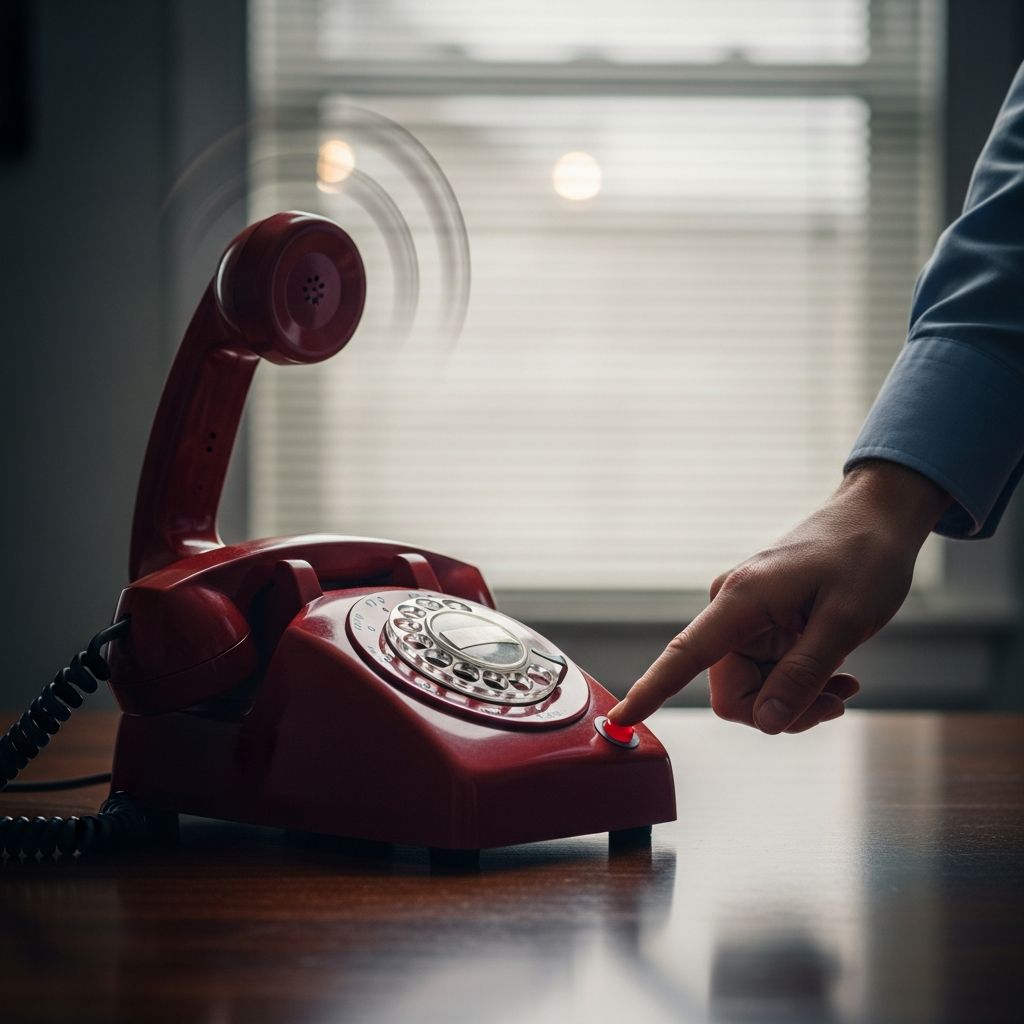
Telemarketing calls disrupt daily life, interrupting meals, work, and family time with relentless pitches for products, services, or donations. These intrusions not only waste your time but can also expose you to scams, especially vulnerable groups like seniors who may receive dozens daily. Fortunately, a combination of federal protections, technology, and proactive strategies can significantly reduce or eliminate these calls. This guide covers registration on official lists, legal rights under the Telephone Consumer Protection Act (TCPA), practical handling tips, and modern tools to reclaim your phone line.
Register for the National Do Not Call Registry
The most effective first step is adding your phone number to the Federal Trade Commission’s National Do Not Call Registry. This free service stops legitimate telemarketers from calling registered numbers, with hefty fines up to $43,792 per violation for non-compliance. Registration covers both landlines and cell phones and takes effect within 31 days, though full protection may require up to 45 days for updates.
- Visit donotcall.gov or call 1-888-382-1222 from the phone you want to register.
- Exemptions apply to companies you’ve done business with in the last 18 months, political campaigns, charities, and debt collectors.
- Report violations at the FTC site; complaints help enforce penalties.
Users report dramatic reductions—from daily calls to 1-2 per month after registration. For businesses receiving telemarketing calls, note that commercial lines can also benefit, and violations may allow lawsuits for lost time.
Understand What the Do Not Call List Doesn’t Cover
While powerful, the registry has limitations. It does not apply to:
- Companies with whom you have an existing business relationship (e.g., recent purchases or inquiries).
- Non-profits, political organizations, or survey calls.
- Scammers who ignore laws entirely.
For exempt callers, politely request removal from their internal do-not-call list. Insist on confirmation and note it may take up to 30 days to propagate across systems. If refused, escalate to a supervisor or file complaints with the FTC or FCC.
Leverage the Telephone Consumer Protection Act (TCPA)
The TCPA (1991) regulates telemarketing practices, prohibiting unsolicited calls to cells using auto-dialers or prerecorded messages without prior consent. Violations carry penalties up to $1,500 per call, and individuals can sue. Key rules include:
| TCPA Prohibition | Penalty Potential |
|---|---|
| Auto-dialed or prerecorded calls to cells without consent | $500-$1,500 per violation |
| Calls before 8 AM or after 9 PM local time | Fines and lawsuits |
| Abandoned calls (silence after answer) | FTC/FCC enforcement |
| No opt-out mechanism on prerecorded calls | Immediate violation |
Report TCPA breaches to the FCC or FTC; aggregate complaints lead to enforcement actions. For cell phones, this law is particularly strong, allowing complete cessation of illegal robocalls.
Practical Tips for Handling Live Telemarketers
When a call gets through, insider advice reveals how to end it efficiently without games like “he’s not here” that fail long-term.
- Say no firmly and request removal: Telemarketers must rebut once or twice per policy but must honor opt-out requests. Specify “remove me from all your lists”.
- Ask for supervisor if needed: Persistent reps risk firing for not rebutting, but supervisors can add you to internal databases.
- Empathize briefly: Treat them as people—many are low-wage workers—but stay firm.
- Don’t engage: Avoid surveys or confirmations that flag your number as active.
Creative tactics include laying the phone down without hanging up or using Google Voice to route unknowns to voicemail.
Use Caller ID and Call Screening
Caller ID is a game-changer: only answer known numbers. Program doctors, utilities, and contacts into your phone; ignore others. Google unfamiliar numbers—if it’s spam, block it. Disable voicemail for unknowns to prevent filling up with pitches.
- Seniors: Screen via answering machine; legitimate callers leave messages.
- Landlines: Let unknown calls ring to voicemail.
- Pro tip: Providers like Verizon offer free ID services.
Tech Solutions and Call Blocking Apps
Modern tools provide robust defense:
| Tool | Features | Best For |
|---|---|---|
| Carrier Tools (e.g., AT&T Call Protect, Verizon Call Filter) | Auto-blocks spam, labels suspects | Mobile users |
| Apps (Nomorobo, RoboKiller, Truecaller) | AI detection, crowdsourced lists | Cells & landlines |
| Google Voice | Custom screening, voicemail transcripts | All lines |
| Device Features (iOS Silence Unknown, Android Block) | Built-in silencing | Smartphones |
Contact your provider for model-specific recommendations; many offer free spam filters. Avoid answering unknowns to evade algorithms that share “live” numbers.
Dealing with Exempt Callers: Charities, Politics, Debt Collectors
Non-profits and politicians bypass DNC lists. For charities, request opt-out and confirm annually since lists reset. Debt collectors must cease contact upon written request (certified mail); they can only confirm receipt.
- Businesses: Opt out of third-party sharing when interacting.
- Seniors on “sucker lists”: Use screening and report scams.
Report and Take Legal Action
Persistent violators? File complaints:
- FTC: reportfraud.ftc.gov
- FCC: consumercomplaints.fcc.gov/
- Lawsuits: TCPA allows private action for damages.
Collect evidence: call times, recordings (check state laws).
Frequently Asked Questions (FAQs)
Q: How long does Do Not Call registration take to work?
A: Up to 31 days, but allow 45 for full effect.
Q: Can I block calls on my cell phone completely?
A: Yes, via carrier tools, apps, and not answering unknowns.
Q: What about calls from companies I’ve bought from?
A: Request their internal do-not-call list; DNC doesn’t cover 18-month relationships.
Q: Are robocalls illegal?
A: Yes under TCPA without consent; report to FCC.
Q: How do I stop charity donation calls?
A: Politely opt out each time; they’re exempt from DNC.
Implementing these strategies can cut telemarketer intrusions by over 90%, restoring peace. Stay vigilant, as scammers evolve, but armed with knowledge and tools, you control your line.
References
- Secrets of Telemarketing From an Industry Insider — Wise Bread. 2007-10-15. https://www.wisebread.com/secrets-of-telemarketing-from-an-industry-insider
- Cutting Down on Telemarketing Calls: How to Avoid Spam Calls — KSL.com. 2023-11-01. https://www.ksl.com/article/51431446/cutting-down-on-telemarketing-calls-how-to-avoid-spam-calls
- Stop Calling Me! How to Avoid Telemarketers — Wise Bread. 2007-05-01. https://www.wisebread.com/stop-calling-me-how-to-avoid-telemarketers
- Telephone Consumer Protection Act (TCPA) — Federal Communications Commission. 2024-01-01. https://www.fcc.gov/general/telemarketing-and-robocalls
- National Do Not Call Registry — Federal Trade Commission. 2025-12-01. https://www.donotcall.gov/
- Fair Debt Collection Practices Act — Consumer Financial Protection Bureau. 2024-06-15. https://www.consumerfinance.gov/rules-policy/regulations/1006/
Similar Articles








Read full bio of Sneha Tete