Stop Buying Fast Fashion: 5 Reasons To Quit And Save
Ditch fast fashion to save money, reduce waste, and protect the planet with sustainable alternatives.
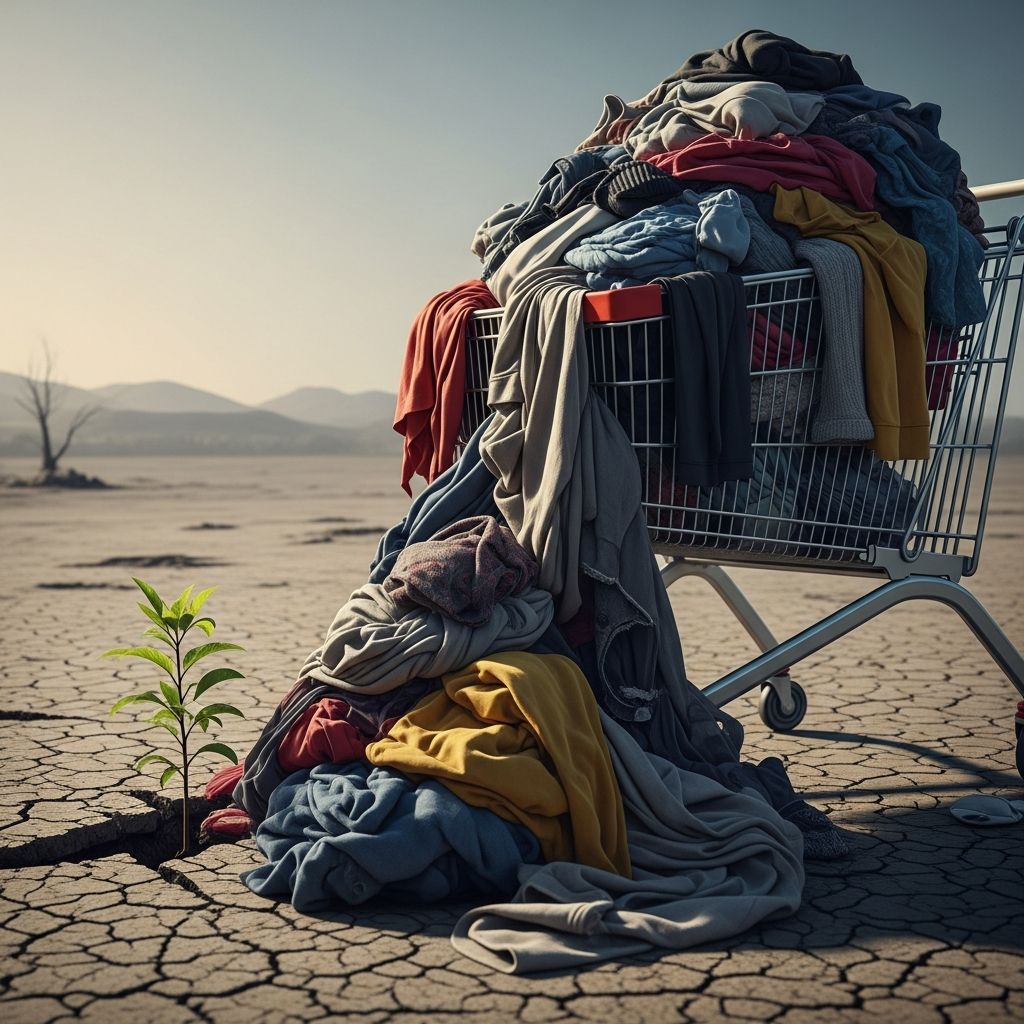
Fast fashion promises trendy clothes at rock-bottom prices, but the real cost is hidden in your closet, your trash bin, and the environment. Brands like Shein, Zara, and H&M churn out cheap garments that fall apart after a few wears, encouraging constant buying and massive waste. This cycle not only empties your wallet but also contributes to severe environmental damage, including 10% of global carbon emissions and ocean microplastic pollution. By quitting fast fashion, you can save hundreds or even thousands of dollars yearly while making ethical choices.
What Is Fast Fashion — and Why Is It So Bad?
Fast fashion refers to clothing produced rapidly in high volumes to capitalize on fleeting trends, often at the expense of quality, workers, and the planet. Lead times have shrunk dramatically: Zara takes two weeks from design to store, while Shein delivers in just 10 days. This speed results in overproduction — the world consumes 80 billion new clothing pieces annually, 400% more than 20 years ago.
The environmental toll is staggering. The fashion industry accounts for
10% of global carbon emissions
, more than international flights and shipping combined. It consumes 170 billion cubic meters of water yearly by 2025, enough for 5 million people, and generates 35% of ocean microplastics from synthetic fibers like polyester.- Water usage: 700 gallons per cotton shirt, 2,000 gallons per jeans pair.
- GHG emissions: Projected to rise 60% by 2030, from 1,715 million tons in 2015 to 2,791 million tons.
- Waste: 85% of textiles end up in dumps; Americans discard 82 pounds per person yearly.
- Microplastics: Washing synthetics releases 500,000 tons annually, equivalent to 50 billion plastic bottles.
Socially, it exploits workers in unsafe factories, as highlighted in documentaries like The True Cost. Poor-quality plastics and toxic dyes, like those in Shein products exceeding safe lead levels, pose health risks.
How Much Does Fast Fashion Actually Cost You?
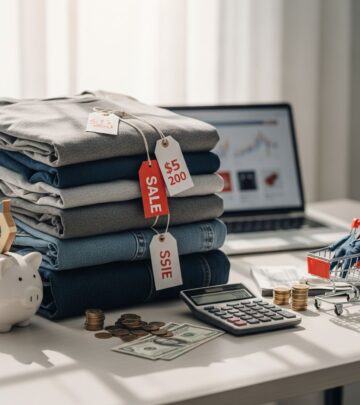
That $10 top seems like a steal, but replace it five times a year, and you’re out $50 — versus $50 once for a durable piece lasting years. Fast fashion’s low prices mask high long-term costs: constant repurchasing, laundry expenses, and disposal fees.
| Item | Fast Fashion Cost (5 years) | Sustainable Cost (5 years) | Savings |
|---|---|---|---|
| T-Shirt | $50 (10 x $5) | $30 (1 x $30) | $20 |
| Jeans | $150 (5 x $30) | $100 (1 x $100) | $50 |
| Dress | $100 (5 x $20) | $80 (1 x $80) | $20 |
| Total Wardrobe | $1,200+ | $500 | $700+ |
Beyond money, time spent shopping and washing flimsy clothes adds up. EU consumers generated 355 kg CO2 per person from textiles in 2022 — equivalent to 1,800 km car travel.
5 Reasons to Stop Buying Fast Fashion Now
- Environmental Devastation: Third-biggest polluter, using 41 million hectares of land by 2025 and emitting 23 kg GHGs per kg of fabric.
- Financial Drain: Americans spend $1,800 yearly on clothes, much wasted on disposables.
- Health Hazards: Toxic chemicals in production pollute water; microplastics enter food chains.
- Worker Exploitation: Low wages and hazardous conditions in global supply chains.
- Quality Overload: Garments last <10 wears, cluttering closets and landfills.
Declutter Your Closet: The First Step to Quitting
Before buying anew, purge. Fast fashion fills closets with unworn items — 25% of new garments stay unsold.
- Assess: Try on everything; keep what sparks joy and fits multiple outfits.
- Categorize: Donate wearable items to thrift stores; recycle synthetics if possible.
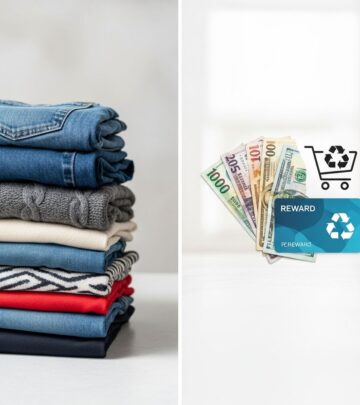
- Sell: Use apps like Poshmark or Depop for gently used pieces — recoup 20-50% value.
- Upcycle: Turn old tees into rags or bags.
Aim for a capsule wardrobe: 30-50 versatile pieces in neutral colors for endless combinations.
Build a Capsule Wardrobe That Lasts
A capsule wardrobe focuses on timeless essentials that mix and match, reducing buys by 80%.
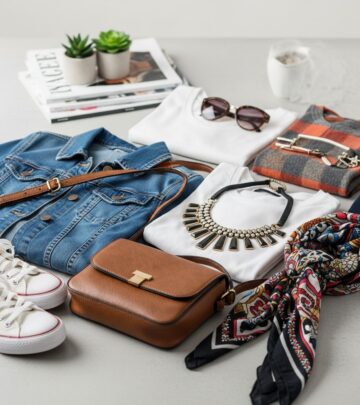
Essentials List
- Tops: 5 tees, 3 button-ups, 2 sweaters.
- Bottoms: 2 jeans, 1 chinos, 1 skirt.
- Outerwear: Trench coat, blazer, leather jacket.
- Shoes: White sneakers, boots, loafers.
- Accessories: Scarf, belt, quality bag.
Invest in natural fibers like cotton, wool, linen — they biodegrade unlike polyester.
Where to Shop for Sustainable, Affordable Alternatives
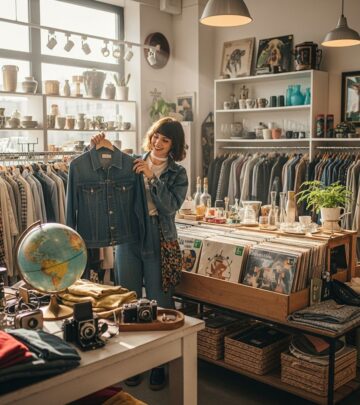
Ditch disposables for brands prioritizing ethics and durability.
- Thrift/Secondhand: ThredUp, Goodwill — save 70% vs. new.
- Sustainable Brands: Everlane (transparent pricing), Patagonia (recycled materials), Reformation (low-waste).
- Rental Services: Rent the Runway for events, reducing ownership needs.
- Made-to-Order: Etsy artisans for custom fits.
Shop sales, wait 30 days before impulse buys, and prioritize multi-use items.
7 Tips to Style What You Already Own
- Layer basics for variety.
- Color-coordinate for cohesion.
- Accessorize to refresh looks.
- Tailor for perfect fit.
- Mix high-low pieces.
- Follow style influencers on ethical fashion.
- Plan outfits weekly.
Frequently Asked Questions (FAQs)
What if sustainable clothes are too expensive?
Start secondhand — quality used items cost less long-term. Build slowly; one investment piece replaces many cheap ones.
How do I know if a brand is truly sustainable?
Check for certifications like GOTS (organic), Fair Trade, or B Corp. Review supply chain transparency.
Can men do capsule wardrobes too?
Absolutely — focus on chinos, oxfords, and sneakers for versatile work-to-weekend style.
What’s the biggest fast fashion culprit?
Shein: 6.3 billion kg CO2 yearly, toxic dyes, plastic-heavy products.
How much can I save quitting fast fashion?
Average saver: $500-1,000/year by buying less, higher-quality items.
Maintenance Matters: Make Clothes Last Longer
Proper care extends life: Wash cold, air-dry, mend tears. This cuts water use and waste. Professional cleaning for delicates; rotate wardrobe to prevent wear.
References
- Fast Fashion Statistics 2025 — UniformMarket. 2025. https://www.uniformmarket.com/statistics/fast-fashion-statistics
- Fast Fashion and Its Environmental Impact in 2025 — Earth.Org. 2025. https://earth.org/fast-fashions-detrimental-effect-on-the-environment/
- The Environmental Costs of Fast Fashion — David Suzuki Foundation. 2023-10-10. https://davidsuzuki.org/living-green/the-environmental-cost-of-fast-fashion/
- The Fast Fashion Epidemic — UCLA Sustainability. 2024-02-16. https://sustain.ucla.edu/2024/02/16/the-fast-fashion-epidemic/
- Fast Fashion Consumption and Its Environmental Impact — Taylor & Francis (peer-reviewed). 2024. https://www.tandfonline.com/doi/full/10.1080/15487733.2024.2381871
- Fast Fashion: EU Laws for Sustainable Textile Consumption — European Parliament. 2020-12-08. https://www.europarl.europa.eu/topics/en/article/20201208STO93327/fast-fashion-eu-laws-for-sustainable-textile-consumption
Similar Articles








Read full bio of Sneha Tete