Stimulus Check: Definition, Purpose, and Economic Impact
Understanding stimulus checks: Government payments designed to boost economic activity and consumer spending during downturns.
What Is a Stimulus Check?
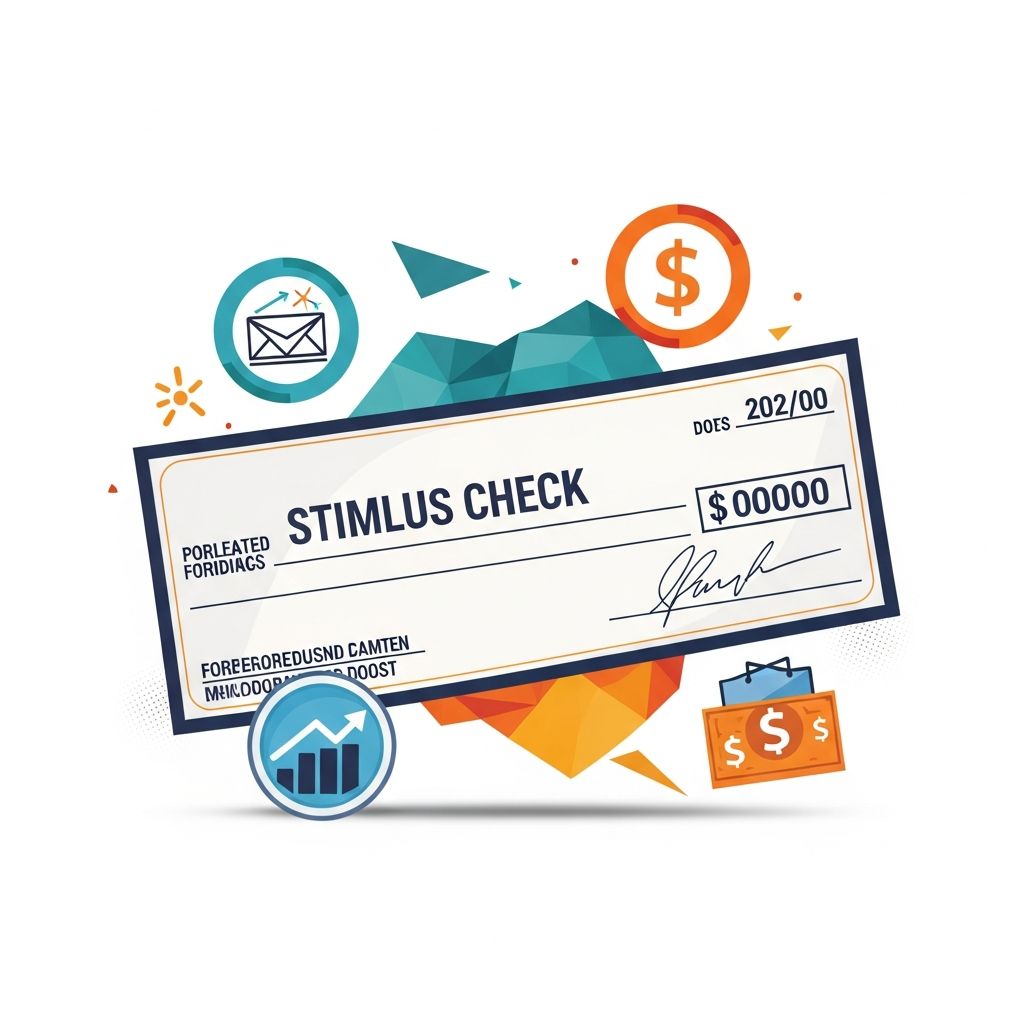
A stimulus check is a direct payment issued by the government to individual citizens and eligible residents with the primary objective of stimulating economic activity during periods of financial distress or economic downturns. These payments represent a form of fiscal policy intervention designed to inject money directly into the economy, encouraging consumer spending, supporting household finances, and maintaining economic momentum during challenging times. The concept of stimulus payments has been employed by governments worldwide as a tool to combat recessions, financial crises, and other economic emergencies.
Stimulus checks differ from traditional welfare or unemployment benefits in that they are typically temporary, one-time payments distributed broadly across the population rather than targeted exclusively to low-income individuals. The underlying economic theory is that when consumers receive direct payments, they are more likely to spend this money on goods and services, which in turn increases demand for products, supports business revenue, and helps maintain employment levels across various economic sectors.
Understanding the Purpose of Stimulus Checks
The fundamental purpose of stimulus checks is to provide immediate financial relief to households while simultaneously boosting overall economic activity. During severe economic disruptions—such as the 2008 financial crisis or the COVID-19 pandemic—governments deploy stimulus payments as a countercyclical policy measure to offset declining consumer spending, investment, and employment.
Key Objectives of Stimulus Payments:
- Maintain Consumer Spending: By providing direct cash payments, governments aim to sustain consumer demand for goods and services, preventing a dramatic collapse in economic activity.
- Support Household Liquidity: Stimulus checks help households meet essential expenses, pay rent or mortgage payments, and cover medical bills during periods when income sources may be disrupted or reduced.
- Prevent Deflation: During severe downturns, there is risk of deflationary spiral where prices fall, wages decline, and economic activity contracts further. Stimulus payments help maintain price levels and purchasing power.
- Preserve Business Operations: When consumer spending remains stable, businesses can maintain operations, keep employees on payroll, and avoid mass layoffs.
- Restore Consumer Confidence: Direct government payments signal policymakers’ commitment to supporting the economy, which can help restore consumer and investor confidence in economic recovery.
How Stimulus Checks Work
The mechanics of stimulus check distribution involve multiple steps and stakeholder coordination. Generally, the government determines eligibility criteria, calculates payment amounts, and utilizes various distribution channels to deliver funds to recipients.
Distribution Methods:
Stimulus payments can be distributed through several channels:
- Direct Deposit: For individuals with bank accounts on file with the tax authority, funds are transferred directly to their accounts, ensuring rapid delivery.
- Paper Checks: Traditional mailed checks are sent to recipients’ addresses, though this method typically involves longer processing times.
- Prepaid Debit Cards: Government agencies may load funds onto prepaid debit cards, which recipients can use immediately for purchases or withdraw cash.
- Mobile Payment Platforms: Some modern stimulus programs utilize digital wallet services and mobile payment applications for distribution.
Eligibility Criteria for Stimulus Checks
Eligibility for stimulus payments typically depends on several factors that governments establish when designing relief programs. These criteria are designed to balance fiscal constraints with the goal of reaching those most in need of economic support.
Common Eligibility Requirements:
- Citizenship or Residency Status: Most governments require recipients to be citizens or legal residents of the jurisdiction issuing payments.
- Income Thresholds: Many stimulus programs implement income phase-outs, meaning higher-income individuals receive reduced payments or no payment at all.
- Tax Filing Status: Governments often use recent tax returns to verify eligibility and determine payment amounts based on filing status and dependents.
- Social Security Number: Valid identification is typically required to prevent fraud and duplicate payments.
- Age Requirements: Generally, recipients must be adults, though dependent children may qualify for additional payments through parents or guardians.
Economic Impact of Stimulus Checks
The economic impact of stimulus payments has been subject to extensive research and debate among economists. Evidence from various stimulus programs demonstrates both immediate and longer-term effects on economic activity, consumer behavior, and employment.
Positive Economic Effects:
- Increased Consumer Spending: Research shows that recipients of stimulus payments increase their spending on goods and services, particularly in essential categories like groceries, utilities, and housing.
- Aggregate Demand Growth: When many households simultaneously increase spending, aggregate demand rises, encouraging businesses to increase production and hire additional workers.
- Employment Support: The increased business activity resulting from stimulus-driven spending helps maintain employment levels and may prevent layoffs.
- Business Revenue Stabilization: Small and medium-sized businesses particularly benefit from maintained consumer spending, which helps them survive economic downturns.
Potential Challenges and Criticisms:
- Inflation Concerns: Critics argue that excessive stimulus spending without corresponding supply increases can lead to inflation, eroding the real value of payments.
- Fiscal Deficits: Large-scale stimulus programs increase government spending and may expand budget deficits, raising concerns about long-term fiscal sustainability.
- Reduced Work Incentives: Some economists worry that temporary income support may discourage labor market participation, though empirical evidence on this point is mixed.
- Wealth Inequality: Critics note that stimulus checks provide equal payments regardless of actual need, potentially being less efficient than targeted assistance programs.
Historical Examples of Stimulus Checks
Several major stimulus payment programs provide real-world examples of how governments deploy this policy tool during economic crises.
The 2008 Financial Crisis Stimulus:
Following the 2008 financial crisis, the United States implemented the Economic Stimulus Act of 2008, which distributed approximately $168 billion in direct payments to households. Individual recipients received between $300 and $600, while married couples received up to $1,200, plus additional amounts for dependent children. This program was designed to boost consumer spending and prevent a deeper recession.
COVID-19 Pandemic Relief Payments:
The COVID-19 pandemic prompted unprecedented stimulus payment programs worldwide. In the United States, three major rounds of stimulus checks were distributed:
- First Round (March 2020): Payments up to $1,200 per adult and $500 per child for individuals with income below specified thresholds.
- Second Round (December 2020): $600 payments to adults and $600 per dependent child.
- Third Round (March 2021): $1,400 payments to eligible individuals, with expanded eligibility criteria and increased dependent payments.
These payments totaled approximately $2.2 trillion in combined fiscal support across multiple relief packages.
Payment Amounts and Eligibility Phases
Stimulus check amounts and eligibility requirements vary significantly depending on the specific program design and economic circumstances. Government agencies typically establish income phase-out ranges that determine payment levels.
Typical Payment Structure (Example from 2021 Program):
| Filing Status | Full Payment Income Limit | Phase-Out Ends | Maximum Payment |
|---|---|---|---|
| Single Filer | $75,000 | $80,000 | $1,400 |
| Head of Household | $112,500 | $120,000 | $1,400 |
| Married Filing Jointly | $150,000 | $160,000 | $2,800 |
| Per Qualifying Child | N/A | N/A | $1,400 |
Stimulus Checks vs. Other Economic Policy Tools
Governments employ various fiscal and monetary policy instruments to combat economic downturns. Stimulus checks represent just one approach within a broader policy toolkit.
Direct Payments vs. Other Interventions:
- Tax Cuts: While tax reductions also increase household income, they may be less effective at stimulating immediate spending, as individuals might save the additional income rather than spend it.
- Unemployment Benefits: Enhanced unemployment insurance targets workers who have lost jobs, providing more assistance to those with demonstrated need, though reaching fewer total recipients.
- Business Support Programs: Loans and grants to businesses aim to preserve employment and productive capacity, though effects may take longer to reach consumers.
- Monetary Policy: Central bank interest rate reductions and quantitative easing affect credit availability and asset prices but work through indirect channels compared to direct payments.
- Infrastructure Spending: Government investment in infrastructure creates jobs and long-term productive capacity but involves longer implementation timelines than direct payments.
Tax Implications of Stimulus Checks
An important question for recipients concerns whether stimulus payments have tax implications. Generally, stimulus checks are not considered taxable income for federal income tax purposes. Recipients should not report stimulus payments as income on their tax returns, and payments do not affect eligibility for various tax credits or deductions. However, individuals who did not receive the full amount to which they were entitled can claim the Recovery Rebate Credit on their tax return to receive the difference, provided their income circumstances have changed.
Frequently Asked Questions (FAQs)
Q: Are stimulus check payments taxable income?
A: No, stimulus checks are not considered taxable income for federal income tax purposes. Recipients should not report these payments on their tax returns. However, if you were eligible for a larger payment than what you received, you may claim the Recovery Rebate Credit to receive the difference.
Q: How long does it typically take to receive a stimulus check?
A: Distribution time varies by method. Direct deposit payments typically arrive within 1-2 weeks after issuance, while paper checks may take 2-4 weeks. Prepaid debit card delivery typically takes 2-3 weeks.
Q: Can immigrants receive stimulus checks?
A: Generally, only U.S. citizens and legal residents with valid Social Security numbers are eligible. Undocumented immigrants typically do not qualify, though specific eligibility rules vary by program and may depend on tax filing history.
Q: What if I didn’t receive my full stimulus payment?
A: If you were eligible for a larger payment, you can claim the Recovery Rebate Credit on your tax return in the year following distribution. Consult with a tax professional or contact the IRS for specific guidance based on your circumstances.
Q: Do stimulus payments affect Social Security or Medicare benefits?
A: No, stimulus checks do not count as income for purposes of calculating Social Security benefits, Medicare premiums, or means-tested benefits like Medicaid. However, verify with specific benefit administrators if you have concerns about your particular situation.
Q: How are stimulus checks funded?
A: Stimulus payments are funded through government budget allocations. Funds typically come from tax revenue, government borrowing (bonds), or reallocation of existing budget spending to stimulus programs.
Q: Can stimulus payments be garnished for debt?
A: Protections vary, but many stimulus programs include specific protections preventing garnishment for most debts, though protections against federal tax debt collection and child support obligations may be more limited.
References
- American Rescue Plan Act of 2021 — U.S. Congress. 2021-03-11. https://www.congress.gov/bill/117th-congress/house-bill/1319
- Economic Stimulus Act of 2008 — U.S. Congress. 2008-02-13. https://www.congress.gov/bill/110th-congress/house-bill/5140
- The Impact of Stimulus Payments on Consumer Spending — Federal Reserve Economic Data. 2021. https://www.federalreserve.gov/
- Internal Revenue Service: Recovery Rebate Credit — U.S. Department of the Treasury. 2024-11-15. https://www.irs.gov/credits-deductions/recovery-rebate-credit
- Fiscal Stimulus and the Multiplier Effect in Economic Downturns — National Bureau of Economic Research. 2021. https://www.nber.org/
Similar Articles








Read full bio of Sneha Tete