Can You Put Stickers On Your Credit Card? 3 Safety Rules
Learn the expert rules for decorating your credit card without damaging its functionality.
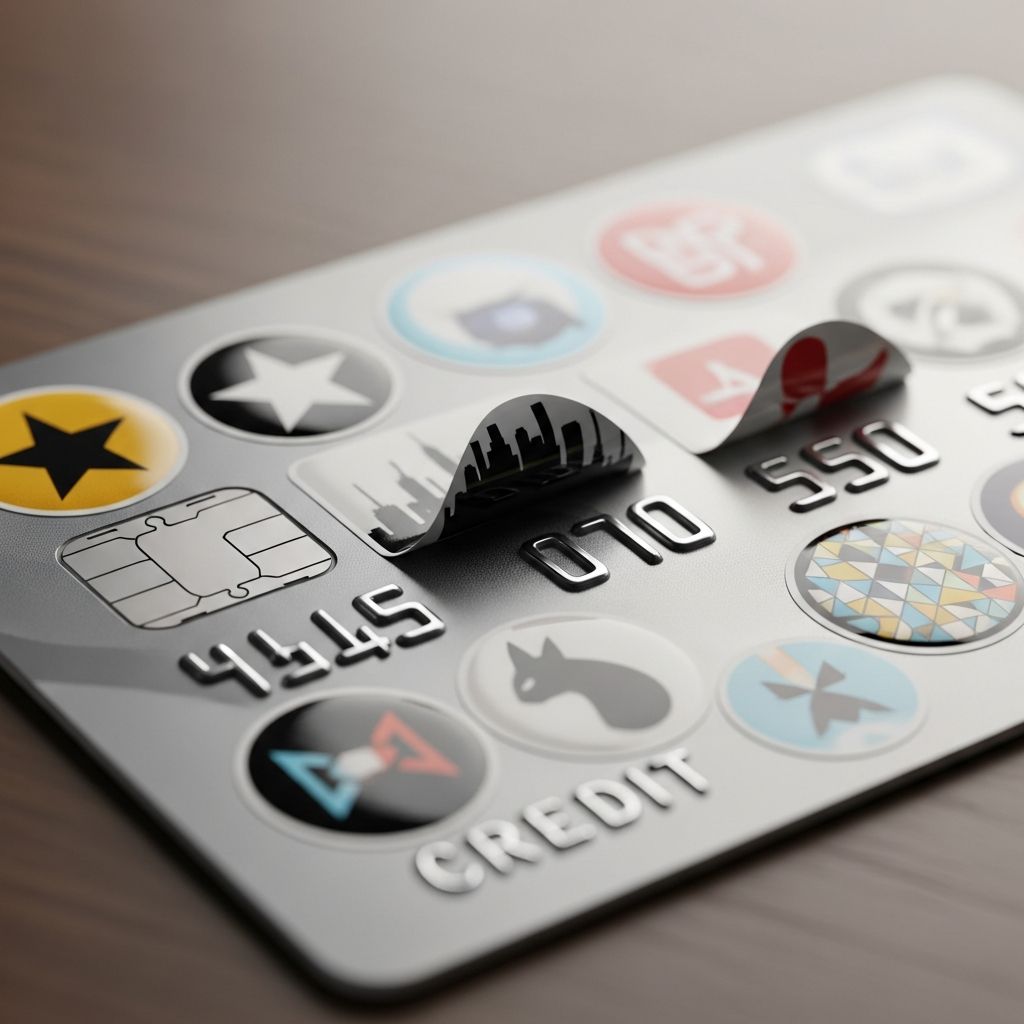
Can You Put Stickers on Your Credit Card?
The desire to personalize financial tools is increasingly common, especially among younger consumers who want their credit cards to reflect their individual style. Whether it’s adding a favorite character, band logo, or meaningful artwork, many people wonder if decorating their credit cards with stickers is actually permissible and safe. The answer is more nuanced than a simple yes or no. Credit card experts have identified specific guidelines that determine whether stickers can be safely applied to your card without compromising its functionality or violating your bank’s policies.
While traditional design options from banks have become less common—like the author’s beloved World Wildlife Foundation panda card that disappeared when partnerships ended—consumers are increasingly turning to aftermarket solutions like vinyl decals and stickers. However, before you reach for your favorite stickers, it’s essential to understand the technical aspects of modern credit cards and how decoration might interfere with their operation.
Understanding Credit Card Technology
Modern credit cards are far more sophisticated than simple pieces of plastic with embossed numbers. They contain multiple technological components that enable various payment methods and security features. Understanding these components is crucial before applying any decorations to your card.
Today’s payment cards include several key technical elements. The embedded chip processes transactions through physical contact with point-of-sale terminals. The magnetic stripe on the back stores encrypted payment information for older payment systems. The contactless payment antenna enables “tap and go” transactions, a feature that has exploded in popularity in recent years. According to data from the Federal Reserve, contactless card payments grew fivefold between 2018 and 2020, and adoption has continued to accelerate since then.
Each of these components can potentially be affected by sticker application if proper precautions aren’t taken. The interaction between stickers and card technology represents the primary concern for both cardholders and financial institutions.
The Three Critical Factors for Card Stickers
According to Jack Jania, vice president of product management and innovation at CPI Card Group, there are three major considerations when deciding whether to apply stickers to your credit card:
Material Composition
The type of material your sticker is made from matters significantly. Traditional printed-paper stickers or vinyl stickers are generally acceptable choices. However, metallic stickers present a serious problem. The tiny antenna embedded in your credit card that enables contactless payments can be disrupted or confused by metallic materials. This interference could prevent your card from working with the increasingly common contactless payment systems that retailers now offer at checkout counters.
The move toward contactless payments has been dramatic and irreversible. As merchants continue to expand their acceptance of tap-to-pay technology, protecting your card’s contactless functionality becomes increasingly important. Metallic stickers should be strictly avoided to ensure your card remains compatible with modern payment infrastructure.
Sticker Thickness
Credit cards aren’t arbitrary in their dimensions. The International Organization for Standardization (ISO) has established specific standards for payment card dimensions, including thickness. According to these standards, payment cards must measure precisely 0.76 millimeters, or 0.03 inches, thick. This specification exists because payment terminals contain gear mechanisms and precise contact points that require cards to meet these exact measurements.
When you apply a sticker—especially a thick or puffy sticker—you increase the card’s overall thickness. This added bulk can cause several problems. The gear mechanisms inside payment terminals may not function properly with an oversized card. More critically, when you insert your card into a point-of-sale terminal, the internal mechanism that reads your chip must make precise contact. If your sticker makes the card too thick, this electrical contact cannot occur properly, and your transaction will fail.
Sticker Placement
Where you place your sticker is just as important as what type of sticker you use. Certain areas of your credit card are absolutely off-limits for decoration because they contain essential security features and payment information.
Critical Areas to Avoid Covering
Protecting specific regions of your credit card is non-negotiable. These areas contain vital information and technology that your card needs to function properly:
The Chip
Your card’s embedded chip is perhaps the most critical component to protect. Inside payment terminals, tiny pins descend and make direct physical contact with your chip to read and process transactions. If your sticker covers the chip, this contact cannot occur, and your card simply won’t work in chip-reading terminals. The chip represents your card’s most sophisticated security feature and fraud protection mechanism, making it absolutely essential that it remains accessible and unobstructed.
Card Number and Name
Your card number and cardholder name are embossed on the front of your card for a reason. These serve as backup identification methods, particularly for phone transactions and certain in-person scenarios. Covering this information with stickers defeats the purpose of having it readily visible and accessible when needed.
Magnetic Stripe
The magnetic stripe on the back of your card, despite being somewhat outdated, is still used in many payment scenarios. Covering this stripe with a sticker can prevent it from being read properly by older payment terminals that still rely on magnetic stripe technology rather than chip readers.
Expiration Date and Security Code
Your card’s expiration date and CVV security code are essential for online shopping and phone transactions. If you cover these with stickers and then can’t read them, you’ll be unable to complete online purchases until you remove or check the stickers. This creates unnecessary friction in your payment process.
What Financial Institutions Think About Card Stickers
While the technical experts we consulted agree that stickers can be applied carefully, they universally recommend against it. More importantly, your bank likely won’t approve of the practice either. Financial institutions view their credit cards as miniature billboards that customers carry and use daily. The card design represents valuable real estate for brand exposure and marketing.
When you cover a card with stickers, you’re essentially erasing the bank’s branding and design. From the issuer’s perspective, this represents lost marketing opportunity. While banks may not explicitly prohibit stickers in many cases, it’s fair to assume they won’t be enthusiastic about the practice.
Additionally, if you encounter payment problems related to your sticker-decorated card, your bank may be less sympathetic than they would be for problems with a standard card. You could theoretically face challenges when claiming the card malfunctioned if the malfunction appears to be caused by your own modifications.
Legal and Policy Considerations
Most credit card issuer agreements don’t explicitly address sticker decoration, but that doesn’t mean it’s encouraged. Your cardholder agreement likely contains language about maintaining your card in good working condition and using it only as intended. Interpreting this language to prohibit stickers would be reasonable from the issuer’s perspective, particularly if the stickers cause payment problems.
If your sticker-decorated card stops working or causes issues during transactions, you might find yourself in a difficult position. Explaining that your own modification caused the problem won’t put your bank in a cooperative mood. Rather than risk disputes with your financial institution, it’s wise to follow expert recommendations and either skip stickers entirely or keep them to the absolute minimum.
Smart Alternatives to Sticker Customization
If you’re disappointed by your current card’s bland appearance, you have several legitimate alternatives to explore before resorting to sticker decoration:
Bank-Offered Customization
Many banks and card issuers offer customers the ability to choose custom designs when applying for or replacing their cards. These officially sanctioned designs are pre-printed on the card during production, ensuring they don’t interfere with any card functionality. Check with your specific financial institution to see what design options they currently offer.
Premium Card Materials
Several credit card issuers now offer metal credit cards instead of traditional plastic cards. While this doesn’t provide sticker-style personalization, it does offer a distinctive tactile experience and premium feel that many customers find appealing. Metal cards also serve as a status symbol, distinguishing your card from standard plastic options.
Card Sleeves and Protective Cases
Rather than applying permanent stickers to your card itself, you can place your card in a decorative sleeve or card case. These protective accessories allow you to customize the appearance of your card without actually altering the card itself. This approach provides complete flexibility—you can change the sleeve whenever you want without affecting your card’s condition or function.
Digital Wallet Options
Many people now carry their credit card information exclusively through digital wallets on their smartphones. These digital representations can often be customized with images or colors, providing personalization without any physical card decoration required.
Frequently Asked Questions
Is it against the law to put stickers on my credit card?
No, it’s not illegal to apply stickers to your credit card. However, your card issuer’s terms of service may prohibit it, and your bank may refuse to replace a damaged card if stickers were the cause of damage. Additionally, if stickers cause payment problems, you could face disputes with your bank.
Can holographic or reflective stickers work on credit cards?
Holographic and reflective stickers typically contain metallic elements that can interfere with your card’s contactless payment antenna. These types should be avoided. Stick with basic vinyl or paper stickers if you must use stickers at all.
What if I only put stickers on the very edge of my card?
While edge placement is safer than covering critical areas, it still adds thickness to your card, which could cause problems in some payment terminals. Even edge stickers should be kept very thin and minimal.
Will putting stickers on my card void my warranty?
Most credit cards don’t come with warranties in the traditional sense, but card replacement policies may exclude cards damaged by modifications. Your issuer could refuse to replace a card damaged by sticker application.
Can I use clear stickers on my credit card safely?
Clear vinyl stickers are potentially safer than opaque ones since they won’t cover critical information. However, they still add thickness and could theoretically interfere with chip readers or terminals. Keep them minimal and avoid the critical zones listed above.
What happens if I put a sticker over my chip?
If you cover your chip with a sticker, your card will likely not work in any terminal that uses chip technology. Since most modern payment terminals read chips first before attempting other payment methods, your card could become essentially non-functional at many retailers.
The Bottom Line
While it’s technically possible to put stickers on your credit card, experts universally recommend against it. If you absolutely insist on decorating your card, remember these critical rules: avoid metallic stickers at all costs, keep any stickers extremely thin, and never cover your chip, card number, name, expiration date, security code, or magnetic stripe.
Before resorting to stickers, explore your bank’s official customization options, consider premium card alternatives like metal cards, or use card sleeves and cases for decoration instead. Your card’s functionality is worth far more than the satisfaction of having a decorated card. Protect your payment card’s ability to work reliably by keeping it unobstructed and modification-free.
References
- Federal Reserve Contactless Payment Data — Federal Reserve System. 2020. Data on contactless card payment adoption between 2018 and 2020.
- Credit Card Payment Technology Standards — International Organization for Standardization (ISO). Official payment card dimension and technology specifications for card thickness and chip functionality.
- Consumer Preferences for Metal Credit Cards — CompoSecure and IDEMIA. 2022. Survey data on consumer preferences for metal versus plastic credit cards.
Similar Articles








Read full bio of Sneha Tete