Steps After Homeowners Insurance Denial
Navigate denied homeowners claims with proven strategies to appeal, gather evidence, and protect your rights effectively.

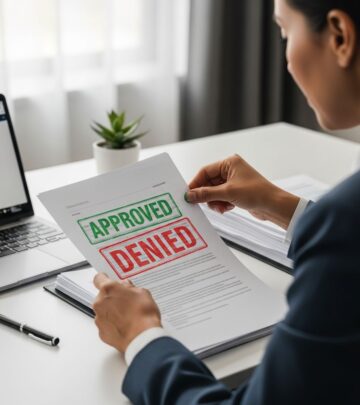
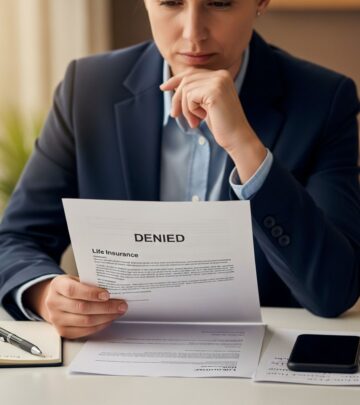
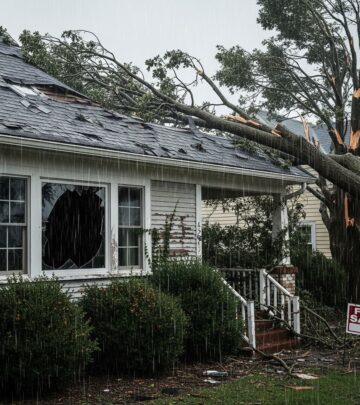
When a sudden storm damages your roof or a burst pipe floods your basement, you rely on your homeowners insurance to restore normalcy. Yet, receiving a denial letter can feel like a second disaster. Understanding why claims get rejected and knowing how to respond is crucial for homeowners facing this setback. This comprehensive guide outlines a clear path forward, drawing from industry practices and expert recommendations to help you reclaim what you’re owed.
Grasping the Roots of Claim Rejections
Insurance denials often stem from specific policy mismatches or procedural oversights. Insurers must provide a detailed explanation in writing, citing the exact policy language justifying their decision. Common triggers include damages from uncovered events like floods or earthquakes, which standard policies exclude unless you have separate riders.
Another frequent issue arises when damage predates the policy period or results from gradual wear rather than a sudden event. For instance, a slowly leaking roof might be deemed maintenance neglect, not a covered peril. Policy types matter here: basic forms cover only named perils like fire or theft, while special forms protect against all risks except exclusions.
- Policy exclusions: Events like floods, earthquakes, or pest damage often fall outside standard coverage.
- Timing problems: Claims filed beyond the policy’s deadline, typically one year, get rejected.
- Documentation gaps: Missing photos, receipts, or witness accounts weaken your case.
- Neglect allegations: Insurers may argue poor upkeep caused the loss, requiring proof of maintenance.
- Mitigation failures: Not acting promptly to prevent worsening damage, such as ignoring a leak, leads to denials.
Reviewing the denial notice thoroughly reveals these details. If unclear, demand clarification—insurers are legally required to explain.
Mastering Your Insurance Policy
Your policy is the foundation of any dispute. Dive into declarations, coverage sections, exclusions, and conditions. Identify your form: HO-3 offers broad ‘open perils’ protection, while HO-1 limits to specific events. Note limits, deductibles, and riders for floods or earthquakes.
Cross-reference the denial reason against policy wording. If the cited exclusion doesn’t apply, note discrepancies. Understand ‘occurrence’ definitions—sudden events qualify, but ongoing deterioration does not. This analysis arms you for appeals.
| Policy Type | Coverage Scope | Common Denials |
|---|---|---|
| HO-1/DP-1 (Basic) | 11 named perils | Unnamed causes like wear |
| HO-2/DP-2 (Broad) | 16 named perils | Exclusions like floods |
| HO-3/DP-3 (Special) | All perils except exclusions | Maintenance neglect |
Building a Robust Evidence Portfolio
Strong documentation transforms denials into approvals. Start with photos and videos timestamped immediately post-incident, capturing all angles. Secure repair estimates from licensed contractors, police reports for theft/vandalism, and maintenance logs refuting neglect claims.
For disputed causes, hire an independent engineer or appraiser. Their reports can prove storm winds—not wear—tore your shingles. Witness statements and utility bills (e.g., sudden spikes indicating leaks) add weight. Organize everything chronologically in a digital folder for easy submission.
Initiating a Formal Appeal
Most policies outline an internal appeal process—follow it precisely. Submit a written letter via certified mail, detailing your disagreement, referencing policy sections, and attaching evidence. Politely request supervisor review.
Keep records of all communications. Appeals must occur within policy timelines, often 30-60 days. If underpaid rather than denied, negotiate the settlement amount similarly, providing competing estimates.
Engaging Independent Experts
When internal appeals stall, external help accelerates resolution. Public adjusters, licensed professionals, negotiate on your behalf for 10-15% of the settlement—often yielding higher payouts. They scrutinize adjuster reports for errors.
Independent contractors or engineers provide unbiased damage assessments. In complex cases, consult an insurance attorney experienced in bad faith claims. Many offer free initial evaluations and work on contingency.
Leveraging Regulatory Oversight
If appeals fail, escalate to your state insurance department. File a complaint online or by mail, including policy, denial letter, and evidence. Regulators investigate unfair practices, compelling insurers to reconsider.
Departments enforce timely responses and fair dealings. While not guaranteeing payment, complaints pressure companies—many settle to avoid scrutiny. Track case numbers for follow-up.
Exploring Legal Avenues
For egregious denials, lawsuits address breach of contract or bad faith. Bad faith occurs when insurers unreasonably deny valid claims, delaying payouts, or lowball offers. Courts award repair costs, mitigation expenses, and punitive damages.
Statutes of limitations vary (2-6 years); act promptly. Attorneys build cases proving coverage applies and insurer misconduct. Settlements often precede trials, recovering full losses plus fees.
Preventing Future Denials
Proactive steps minimize risks. Document home maintenance annually with receipts and photos. File claims swiftly post-loss. Understand your policy via annual reviews, adding endorsements for gaps like floods.
Shop competitively before renewals, comparing coverage. Consider actual cash value vs. replacement cost policies. Emergency funds cover deductibles, avoiding forced self-payment.
FAQs on Denied Homeowners Claims
What should I do immediately after denial?
Read the denial letter carefully, review your policy, and gather additional evidence if needed.
How long do I have to appeal?
Typically 30-180 days, per policy terms—check yours promptly.
Can I switch insurers after a denial?
Yes, but disclose claims history; some label you high-risk.
Is hiring a public adjuster worth it?
Often yes, as they secure 20-50% higher settlements on average.
What constitutes bad faith by an insurer?
Unreasonable delays, misrepresenting policy terms, or denying without investigation.
References
- Denied or Underpaid Homeowners Insurance Claims? — ECD Law. 2023-05-15. https://ecd.law/denied-or-underpaid-homeowners-insurance-claims/
- When and how to fight a denied homeowners insurance claim — Bankrate. 2024-08-20. https://www.bankrate.com/insurance/homeowners-insurance/dispute-claim-denials/
- How to Dispute a Home Insurance Claim Settlement or Denial — NerdWallet. 2024-03-12. https://www.nerdwallet.com/insurance/homeowners/learn/dispute-home-insurance-settlement
- How to Fight a Denied Homeowners Insurance Claim — Lawrence Laws. 2023-11-08. https://www.lawrencelaws.com/blog/how-to-fight-denied-homeowners-insurance-claim/
- What to Do If Your Home Insurance Claim Is Denied — ValuePenguin. 2024-02-28. https://www.valuepenguin.com/disputing-homeowners-insurance-claim-denial-or-settlement-offer
Similar Articles








Read full bio of medha deb