Essential Steps to Take After Receiving Your First Credit Card
Establish smart financial habits from day one with your new credit card
Receiving a new credit card marks an important milestone in your financial journey. Whether it’s your first card or an additional one to your existing portfolio, the initial actions you take will significantly influence your financial health and creditworthiness. Rather than simply using your card immediately, taking deliberate steps during the first few days and weeks can set the foundation for responsible credit management and help you maximize the benefits while minimizing potential pitfalls.
Activation and Security Verification
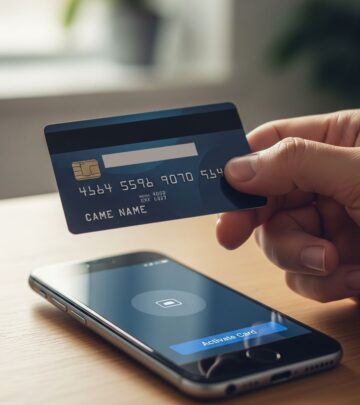
Your first priority should be activating your new credit card as soon as it arrives. Most credit card issuers provide multiple activation methods, including calling a dedicated phone number, using their mobile app, or visiting their website. Activation typically requires verifying your identity by providing personal information that matches your application.
During this process, pay close attention to any security features your card offers. Many modern credit cards include fraud protection services, purchase protections, and travel incident coverage. Understanding these built-in protections helps you recognize what coverage you have if disputes or fraudulent charges occur. Additionally, if you have the option to set up a PIN for in-person transactions, consider doing so immediately to add an extra layer of security to your account.
After activation, carefully inspect your physical card for any damage and verify that your name and card number are printed correctly. If you notice any discrepancies, contact your issuer immediately to request a replacement card.
Understanding Your Card’s Terms and Conditions
Before making any purchases, dedicate time to thoroughly reviewing your card’s terms and conditions. This document contains critical information that will guide your usage decisions. Key areas to focus on include:
- Annual percentage rate (APR) for regular purchases and whether this rate is fixed or variable
- Grace period length—the number of days you have to pay your balance before interest accrues
- Fees associated with your card, including annual fees, late payment fees, over-limit fees, and cash advance fees
- Rewards structure, including cash back percentages, point values, or miles earned on different purchase categories
- Sign-up bonuses or promotional offers that came with your card approval
Understanding these terms prevents unpleasant surprises when your first bill arrives. For instance, knowing your grace period allows you to plan when you must pay to avoid interest charges. Similarly, being aware of specific fees helps you avoid unnecessary charges through informed decision-making.
Reviewing Your Initial Credit Limit
Your credit card arrives with a pre-set credit limit determined by the issuer based on your credit history, income, and creditworthiness. This limit represents the maximum amount you can borrow on the card. Take time to understand this limit and consider whether it aligns with your anticipated spending needs.
If your initial limit seems too low for your needs, you can request a credit limit increase. However, timing matters—wait at least several months of responsible usage before requesting an increase. Many issuers allow you to request increases without triggering a hard inquiry on your credit report if you use their online portal or mobile app.
Conversely, if your credit limit feels uncomfortably high, you can request a lower limit. This strategy, while less common, can be psychologically helpful if you’re concerned about overspending or want to build disciplined spending habits before managing larger credit amounts.
Setting Up Payment Infrastructure
Establishing reliable payment systems from day one prevents missed payments, which can damage your credit score and trigger costly fees. Consider these payment setup options:
Automatic Payments
Most card issuers offer automatic payment setup through your bank account. You can typically choose to automatically pay your full balance, a fixed amount, or just the minimum payment each month. Automatic full-balance payments represent the most prudent option if your spending habits are predictable. This approach eliminates the risk of forgotten payments and helps you avoid interest charges entirely.
Calendar Reminders and Manual Payments
If you prefer manual control over your payments, set multiple calendar reminders—one week before your due date as a warning and another on your due date itself. This dual-reminder system provides a safety net in case you miss the first notification. Most issuers allow online payments through their website or app, typically posting within one to two business days.
Coordinating with Your Budget
Align your payment schedule with your income deposits. If you receive your paycheck on specific dates, schedule your credit card payment shortly after to ensure funds are available and fresh in your mind.
Creating a Spending Strategy and Budget Framework
With payment infrastructure in place, develop a deliberate approach to how you’ll use your card. Rather than viewing it as an extension of your cash supply, treat your credit card as a tool that must be paid off from your existing income.
Establishing Spending Guidelines
One effective framework is allocating a specific portion of your monthly income for credit card spending. Many financial experts recommend the 50/30/20 budget model—allocating 50 percent of your after-tax income to necessities, 30 percent to discretionary spending, and 20 percent to debt repayment and savings. Your credit card spending should fit comfortably within your predetermined categories.
Keeping Credit Utilization Low
Your credit utilization ratio—the percentage of available credit you’re actively using—significantly impacts your credit score. Financial experts recommend maintaining a ratio below 30 percent of your total credit limit. For example, if your credit limit is $5,000, try to keep your balance below $1,500. This demonstrates to lenders that you manage credit responsibly without relying too heavily on borrowed funds.
Tracking Spending and Statements
Shortly after you begin using your card, establish habits for monitoring your account activity. Most card issuers provide online account access and mobile apps that display transactions in real-time or within one business day.
Benefits of Active Monitoring
Regularly reviewing your transactions serves multiple purposes. First, it helps identify fraudulent charges quickly, allowing you to report them before they post to your account permanently. Second, tracking your spending provides visibility into your purchasing patterns, helping you identify categories where you overspend. Third, monitoring protects against billing errors from merchants.
Reviewing Your Statement
When your monthly statement arrives (typically as an electronic document or physical mail), review it thoroughly before making your payment. Verify that all transactions are legitimate, amounts are correct, and no duplicate charges appear. Dispute any discrepancies with your issuer immediately.
Optimizing Your Rewards and Benefits
Most credit cards come with rewards programs or special promotional benefits. Understanding and strategically using these features maximizes the value your card provides.
Matching Your Card to Your Spending
Different cards offer different rewards structures. Cash back cards provide a percentage return on all purchases, while category-specific cards offer higher rewards in designated spending categories like groceries, gas, dining, or travel. To optimize rewards, align your card choice with your actual spending patterns. If you travel frequently, a travel-focused card makes sense. If you primarily buy groceries and household items, a cash back card with bonus categories in those areas maximizes rewards.
Sign-Up Bonuses
Many new credit cards offer sign-up bonuses—substantial rewards for meeting a minimum spending requirement within a specified timeframe. While these bonuses can be valuable, only pursue them if you would normally spend that amount anyway. Artificially inflating your spending to capture a bonus defeats the purpose of responsible credit management.
Protecting Your Card and Account
Safeguarding your credit card information prevents fraud and identity theft. Implement these protective measures immediately:
- Store your physical card in a secure location and never leave it unattended
- Never share your card number, expiration date, CVV, or PIN with anyone, including customer service representatives who call you unsolicited
- Enable transaction alerts through your issuer’s app to receive notifications when purchases exceed a certain amount
- Use your card carefully at merchants, ensuring they return it promptly and you receive it back visibly intact
- Shred or securely dispose of old statements rather than throwing them in the trash
- Monitor your credit report annually through free services to identify unauthorized accounts opened in your name
Establishing Payment Discipline
Your credit card’s first billing cycle is crucial for establishing lasting payment habits. Making your first payment on time, ideally paying the full balance rather than just the minimum, sets a positive trajectory for your credit profile.
Late payments create immediate consequences—late fees (typically $25-35 for first occurrences), interest charges on unpaid balances, and damage to your credit score that persists for up to seven years. Conversely, consistent on-time payments build a strong payment history, which comprises 35 percent of your credit score calculation—the largest single factor.
Avoiding Common Pitfalls
New credit card holders often fall into predictable traps. Being aware of these pitfalls helps you navigate your early credit card experience successfully:
- Overspending: Having available credit doesn’t mean you should spend it. Distinguish between what you can charge and what you can afford to pay off.
- Only paying minimums: Minimum payments barely cover interest, keeping you in debt longer and making purchases significantly more expensive due to compounding interest.
- Carrying a balance for convenience: Unpaid balances incur daily interest charges, turning purchases into unnecessarily expensive transactions.
- Missing payments: One missed payment can trigger higher interest rates on your card and damage your credit for years.
- Ignoring your statement: Unopened statements hide fraudulent charges, billing errors, and actual spending patterns you need to understand.
- Applying for multiple cards simultaneously: Each application triggers a hard inquiry that slightly lowers your credit score. Multiple inquiries in a short period can signal financial desperation to lenders.
Frequently Asked Questions
How long should I wait before using my new credit card?
You can begin using your card immediately after activation, typically within minutes of calling the issuer. There’s no benefit to waiting, though some people prefer activating and then using it for a small test transaction to confirm functionality before making larger purchases.
Should I pay my balance in full or just the minimum?
Paying your full balance is strongly recommended. Paying only the minimum leaves a balance that accrues interest daily, making all your purchases progressively more expensive. Full-balance payments help you build credit while avoiding unnecessary interest charges.
What should I do if I see fraudulent charges?
Contact your card issuer immediately by calling the number on the back of your card or using their app. Report the fraudulent charges and request that the issuer cancel those transactions. Most issuers have zero-fraud-liability policies, protecting you from unauthorized charges.
How often should I check my credit utilization ratio?
Check your utilization ratio monthly when your statement closes. Since utilization impacts your credit score, maintaining it below 30 percent throughout the month benefits your score. Some issuers send statements mid-month and at month-end, giving you two opportunities to monitor.
Can I request a higher credit limit immediately after receiving my card?
Technically yes, but most issuers prefer that you wait 6-12 months of responsible usage first. Requesting increases too quickly may trigger hard inquiries that temporarily lower your credit score, and issuers are more likely to approve requests from customers with established positive payment history.
Building Long-Term Credit Success
Your first credit card represents the beginning of your credit-building journey. The habits you establish during these initial weeks set the trajectory for your financial future. By activating properly, understanding your terms, setting up reliable payments, monitoring your spending, and maintaining disciplined usage, you create a foundation for strong creditworthiness that will benefit you for decades.
Remember that credit cards are powerful financial tools that offer convenience, fraud protection, and rewards—but only when used responsibly. Your new card’s first billing cycle is your opportunity to demonstrate that you understand this responsibility and can manage credit effectively.
References
- Pay on Time — American Express. Accessed March 2026. https://www.americanexpress.com/en-us/credit-cards/credit-intel/credit-card-management/
- Credit Card Management: Best Practices — American Express. Accessed March 2026. https://www.americanexpress.com/en-us/credit-cards/credit-intel/credit-card-management/
- Effective Credit Card Management Strategies — NobleBank & Trust. Accessed March 2026. https://www.noblebank.com/effective-credit-card-management-strategies/
- 5 Smart Strategies for Everyday Credit Card Use — Fifth Third Bank. Accessed March 2026. https://www.53.com/content/fifth-third/en/financial-insights/personal/financial-education/5-smart-strategies-for-everyday-credit-card-use.html
- How To Use a Credit Card Responsibly: 10 Tips — Capital One. Accessed March 2026. https://www.capitalone.com/learn-grow/money-management/tips-using-credit-responsibly/
Similar Articles








Read full bio of medha deb