Steps After A Car Crash: A Step-By-Step Guide
Master the essential actions to take following a vehicle collision for safety, evidence collection, and smooth claims processing.

When a car crash occurs, the moments immediately following can determine your safety, the strength of your insurance claim, and your overall recovery process. Acting swiftly and methodically helps protect everyone involved while building a solid foundation for any necessary legal or financial resolutions. This guide outlines a clear, step-by-step approach based on established safety protocols and insurance best practices.
Prioritizing Safety in the Initial Moments
The top priority after any collision is ensuring no further harm comes to you, your passengers, or other road users. Adrenaline can mask injuries, so a systematic check is essential.
- Activate hazard lights immediately to alert approaching traffic.
- Assess for injuries among all occupants; if anyone appears hurt or unresponsive, dial emergency services without delay.
- If possible and safe, relocate vehicles to the roadside to avoid additional collisions.
- Use reflective triangles or flares if available to enhance visibility, especially in low-light or poor weather conditions.
These actions align with recommendations from traffic safety authorities, emphasizing prevention of secondary incidents.
Thorough Scene Documentation
Once safety is secured, gather evidence meticulously. Visual and written records serve as crucial proof during insurance evaluations or disputes.
Capture comprehensive photos and videos including:
- Damage to all vehicles from multiple angles.
- Road conditions, traffic signals, skid marks, and environmental factors like weather.
- License plates, driver’s licenses, and insurance cards of involved parties.
- Any visible injuries or debris.
Additionally, note the precise location, time, and date. Secure contact details from witnesses, as their independent accounts can corroborate your version of events.
Contacting Authorities and Exchanging Details
Reporting the incident officially creates an impartial record that supports claims processing.
- Call law enforcement to file a report, particularly for accidents involving injury, significant damage, or fault disputes.
- Exchange essential information with other drivers: full names, phone numbers, addresses, insurance providers, policy numbers, and vehicle details.
- Obtain a copy of the police report, including the report number for your records.
State laws often mandate police involvement for crashes exceeding certain damage thresholds or involving injuries.
Seeking Prompt Medical Evaluation
Injuries from crashes, such as whiplash or concussions, may not manifest right away. Professional assessment is vital regardless of initial feelings.
- Call 911 for serious injuries or transport to an emergency facility.
- Schedule a follow-up exam within 72 hours, even for minor symptoms.
- Maintain detailed logs of symptoms, treatments, and provider notes.
Medical documentation directly links health issues to the incident, strengthening compensation claims for bills, lost income, and pain.
Handling Vehicle Recovery and Repairs
If your car is undrivable, arrange towing promptly to a secure location.
- Contact roadside assistance through your insurer or service provider.
- Select a repair shop; many insurers offer preferred networks for streamlined payments.
- Obtain repair estimates and authorize work post-inspection.
For convenience, some programs allow on-site rentals and direct shop billing.
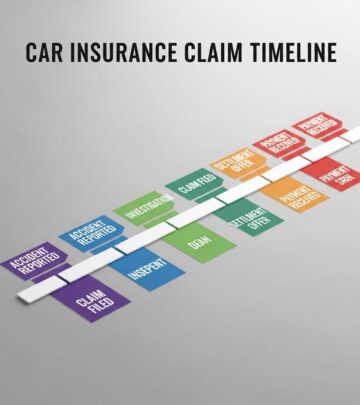
Navigating Insurance Notifications and Claims
Timely communication with your insurer prevents claim denials and expedites resolutions.
| Action | Recommended Timeline | Purpose |
|---|---|---|
| Report the accident | Within 24-48 hours | Initiates claim process |
| Submit photos and police report | As soon as available | Supports evidence review |
| File for medical/property damage | Within policy limits | Secures reimbursement |
Provide all gathered details accurately to avoid complications. Track communications and deadlines diligently.
Tracking Expenses and Long-Term Impacts
Comprehensive record-keeping maximizes reimbursements for direct and indirect costs.
- Log medical bills, prescriptions, and therapy sessions.
- Document lost wages with employer statements.
- Retain receipts for towing, rentals, and repairs.
- Monitor ongoing effects like reduced mobility or emotional distress.
These records quantify your losses, aiding fair settlements.
Understanding Legal Timeframes and Options
Statutes of limitations vary by jurisdiction for personal injury and property claims, often 1-2 years.
| Claim Type | Typical Deadline | Key Consideration |
|---|---|---|
| Personal Injury | 1-2 years | From incident date |
| Property Damage | 2-3 years | Vehicle repairs |
| Insurance Report | 24-48 hours | Policy compliance |
Consult local laws promptly; delays can forfeit rights.
Common Pitfalls to Avoid
Mistakes can undermine your position:
- Admitting fault verbally or in writing.
- Delaying medical care.
- Overlooking witness statements.
- Signing documents without review.
- Ignoring follow-up symptoms.
Remain cautious and seek professional advice when needed.
FAQs
What if the other driver flees the scene?
Contact police immediately and provide any details like plate numbers or descriptions. Uninsured motorist coverage may apply if you have it.
Do I need a police report for minor damage?
Yes, in many areas for insurance purposes, even if no injuries occur.
How soon should I notify my insurer?
Within 24 hours ideally to comply with policy terms.
Can I drive my damaged car?
Only if it’s safe; otherwise, arrange towing.
What if injuries appear days later?
Seek care and inform your insurer; document the connection to the crash.
This structured response to a car crash empowers you to manage the aftermath effectively, promoting recovery and just outcomes.
References
- The ultimate post-accident checklist: Protect your health — Farmer & Wright, PLLC. 2023. https://farmerwright.com/post-accident-checklist-health-rights-compensation/
- What to Do After a Car Accident — GEICO. 2025. https://www.geico.com/claims/after-an-accident/
- Your Checklist: What to Do Immediately After a Car Accident in Orlando — PKBLawFirm. 2024. https://pkblawfirm.com/blog/your-checklist-what-to-do-immediately-after-a-car-accident-in-orlando/
- What to Do After a Car Accident in Florida — DHCLaw. 2024. https://www.dhclaw.com/library/what-to-do-after-a-car-accident-in-florida.cfm
- So You’ve Had an Accident, What’s Next? — California Department of Insurance. 2025. https://www.insurance.ca.gov/01-consumers/105-type/95-guides/01-auto/hadaccident.cfm
Similar Articles








Read full bio of medha deb