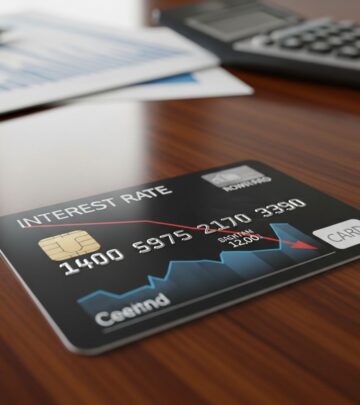
Penalty APR: 4 Common Triggers And How To Avoid Them
Discover proven strategies to dodge high penalty APRs, safeguard your finances, and regain control over credit card interest rates effectively.
Penalty APR represents a heightened interest rate imposed by credit card issuers when account holders violate specific terms, often leading to significantly increased borrowing costs. Federal regulations cap this rate at 29.99% and mandate a review after six on-time payments to potentially restore normal rates.
Understanding the Mechanics of Penalty Rates
At its core, a penalty APR activates in response to account missteps, transforming standard interest into a costly burden. Unlike regular APRs tied to creditworthiness, penalty versions punish behaviors such as delayed payments beyond 60 days or exceeding credit limits. Issuers must provide at least 21 days from statement generation to the due date, during which grace periods typically prevent interest accrual if balances are cleared.
This mechanism serves as a deterrent, but its effects ripple through finances. For instance, a balance of $1,000 at a standard 20% APR accrues about $16.67 monthly interest, but at a 29.99% penalty rate, that jumps to roughly $25— a 50% increase. Over months, this compounds, especially on carried balances.
Common Triggers That Activate Penalty APR
- Late Payments: Missing payments by 60 days or more is the primary culprit, as it signals risk to issuers. Even payments under the minimum required can qualify.
- Returned Payments: Insufficient funds causing bounced checks or ACH failures often trigger penalties, emphasizing the need for account monitoring.
- Over-Limit Usage: Exceeding available credit invites scrutiny and potential rate hikes.
- Other Violations: Some agreements include bounced payments or repeated minimum-only payments as infractions.
These triggers aren’t arbitrary; they stem from CARD Act protections ensuring transparency, yet vigilance remains key.
The Far-Reaching Financial Consequences
Beyond elevated interest, penalty APRs invite late fees up to $40 per incident and harm credit scores via negative payment history reports. Utilization ratios worsen if balances grow under high rates, further depressing scores.
| Scenario | Standard APR (20%) | Penalty APR (29.99%) | Monthly Difference |
|---|---|---|---|
| $1,000 Balance | $16.67 interest | $25.00 interest | $8.33 extra |
| $5,000 Balance | $83.33 interest | $124.96 interest | $41.63 extra |
| 6-Month Projection ($1,000) | $100 total interest | $150 total interest | $50 extra |
This table illustrates the escalating costs, based on simple interest calculations for clarity. Real-world compounding amplifies the disparity.
Proactive Measures to Prevent Penalty Activation
Prevention hinges on disciplined habits. Paying balances fully each month eliminates interest entirely via grace periods. When full payment isn’t feasible, at least the minimum due by the deadline averts triggers.
Harness Automation for Reliability
Autopay setups draw minimum or full amounts directly from linked accounts, minimizing human error. Crucially, verify sufficient funds to avoid returned payment flags— a common pitfall. Many issuers allow scheduling a few days early for buffer.
Leverage Reminders and Monitoring Tools
Calendar alerts set a week prior to due dates provide ample warning. Apps from issuers or third parties track balances, due dates, and even predict interest accrual, fostering accountability.
Maintain Healthy Utilization and Limits
Keep usage under 30% of limits to signal responsibility, reducing over-limit risks. Request limit increases periodically if history supports it, but avoid immediate spending spikes.
Strategies for Escaping an Active Penalty APR
If ensnared, swift action can mitigate damage. Federal law requires issuers to reassess after six consecutive on-time, minimum payments, often reinstating standard rates.
- Contact Your Issuer: Explain circumstances—job loss, medical issues—and request waiver. A solid prior record improves odds.
- Prioritize Debt Paydown: Allocate extra funds to high-rate balances; tools like debt snowball or avalanche methods accelerate relief.
- Explore Balance Transfers: Cards like BankAmericard offer 0% intro APRs for 18 cycles on transfers (with 3-4% fees), providing breathing room.
- Consolidate Debts: Personal loans or single-card transfers simplify payments at potentially lower fixed rates.
Bring accounts current first: minimum payments restore eligibility for review. Persistence pays; continued good behavior prompts rate normalization.
Building Long-Term Habits for Rate Optimization
Beyond avoidance, cultivate practices for inherently lower APRs. Excellent credit scores—via on-time payments (35% of FICO), low utilization (30%), and limited inquiries—unlock preferential rates.
Regular score checks via free annualcreditreport.com or issuer tools guide improvements. Paying more than minimums curbs interest buildup, while promotional watches ensure timely payoffs before standard rates resume.
Selecting Penalty-Free Alternatives
Some cards forgo penalty APRs entirely, charging standard rates regardless of infractions—ideal for risk-averse users. Trade-offs may include higher base rates or fewer rewards, so compare via terms review.
Frequently Asked Questions
What exactly constitutes a penalty APR trigger?
Typically, payments 60+ days late, returned payments, or over-limit spending per card terms.
How long does a penalty APR last?
At minimum six months, but removable sooner with issuer discretion or after six on-time payments.
Can I negotiate penalty APR removal?
Yes, calling with explanation often yields waivers, especially with good history.
Does autopay guarantee no penalty?
Nearly, but insufficient funds can backfire—monitor balances.
Are there cards without penalty APR?
Yes, like certain no-penalty options, though review full terms.
Empowering Financial Discipline
Mastering penalty APR dynamics equips users to minimize costs and protect credit health. Consistent full payments, automation, and proactive outreach form a robust defense, turning potential pitfalls into opportunities for savings and score boosts.
References
- What Is Penalty APR And How Do You Avoid It? — Bankrate. 2023-10-15. https://www.bankrate.com/credit-cards/zero-interest/what-is-penalty-apr/
- What is penalty APR and how to avoid it — CardRatings. 2024-05-20. https://www.cardratings.com/financial-literacy/what-is-penalty-apr-and-how-to-avoid-it.html
- Why Is My Credit Card APR So High? — Navy Federal Credit Union. 2025-01-10. https://www.navyfederal.org/makingcents/credit-debt/why-is-my-credit-card-apr-high.html
- Do I Avoid APR if I Pay on Time? — Community First Credit Union. 2024-08-12. https://www.communityfirstfl.org/resources/blog/do-i-avoid-apr-if-i-pay-on-time
- How to help lower your credit card interest rate — Capital One. 2025-02-01. https://www.capitalone.com/learn-grow/money-management/how-can-you-lower-credit-card-interest-rate/
Similar Articles








Read full bio of medha deb