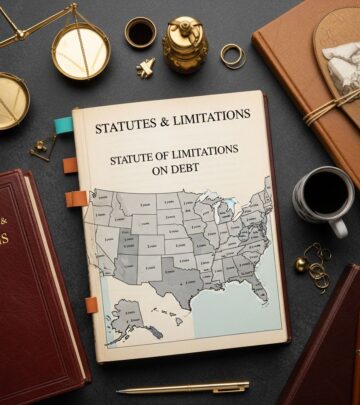
Statute of Limitations on Debt: What You Need to Know
Understanding debt statutes of limitations: Know your rights and protect yourself from collectors.

Debt can feel overwhelming, especially when collection calls keep coming. However, there’s an important legal protection you should understand: the statute of limitations on debt. This law sets a time limit on how long creditors and debt collectors can pursue you for payment on old debts. Understanding this concept can help you protect your financial rights and make informed decisions about managing outstanding obligations.
What Is the Statute of Limitations on Debt?
The statute of limitations on debt is a legal time frame that determines how long creditors and debt collectors have to sue you for payment on unpaid debts. This period varies significantly depending on the type of debt and the state where you live. Once this time limit expires, the debt becomes what’s known as “time-barred,” meaning creditors can no longer take legal action to collect it through the courts.
It’s crucial to understand that the statute of limitations only affects a creditor’s ability to sue you—it doesn’t eliminate the debt itself. You still technically owe the money, and creditors may continue to contact you requesting payment. However, once a debt becomes time-barred, creditors cannot obtain a court judgment against you, place a property lien on your home, or garnish your wages for repayment. The debt loses its legal enforcement power, which is why understanding these timeframes matters considerably.
How Long Does the Statute of Limitations Last?
The average statute of limitations on debt typically ranges between three and six years, though it can extend to ten years depending on the debt type and your state’s laws. Some debts, particularly federal student loans, have no statute of limitations at all, meaning collectors can pursue legal action indefinitely. Understanding the specific timeframe for your debt type is essential for protecting yourself from collection actions.
The variation in timeframes exists because different types of debt are treated as different contracts under state law. A credit card debt may have different collection rules than a personal loan or promissory note, creating a complex landscape that requires careful attention to your specific situation.
Types of Debt and Their Statutes of Limitations
Different categories of debt fall under different legal classifications, each with its own statute of limitations framework. Understanding which category your debt falls under is the first step in determining your protection timeline.
Written Contracts
Written contracts are formal agreements signed by you and a creditor that outline the specific terms and conditions of a loan, including payment amounts, interest rates, and repayment duration. Personal loans and installment agreements typically fall into this category. These contracts often have some of the longest statutes of limitations, frequently ranging from four to ten years depending on the state.
Oral Agreements
Some loans are provided based solely on verbal agreements to repay the money, with no written contract or documentation. These oral agreements are more difficult to prove in court and typically have shorter statutes of limitations, often ranging from three to four years. The lack of written documentation makes these debts harder for collectors to pursue legally.
Promissory Notes
Promissory notes are formal written agreements to repay a debt in specified payments at a set interest rate by a designated date. Private student loans fall into this category. These typically have statutes of limitations ranging from three to ten years, though the exact timeframe depends on your state’s laws.
Open-Ended Accounts
Open-ended accounts have revolving balances that you can borrow from repeatedly if you continue making payments. Credit cards and lines of credit are the most common examples. These accounts typically have statutes of limitations ranging from three to six years from the date of last payment or when the account was marked delinquent.
Statute of Limitations by State
The statute of limitations varies considerably from state to state. While the average ranges from three to six years, some states may have shorter or longer timeframes. For example, some states may enforce collection actions for up to ten years or even longer for certain debt types. States also allow interest to accumulate on court judgments until the debt is paid, with interest rates ranging from as low as 4% above the federal rate to as high as 14%, depending on the state.
If you’ve been sued or received a judgment against you, be aware that the statute of limitations on enforcing that judgment is separate from the original debt’s limitations period. Court judgments can have statutes of limitations ranging from three years in Oklahoma to 21 years in Ohio, with most states somewhere around ten years. Judgments are often easily renewed, so waiting for them to expire is not a reliable strategy.
| Debt Type | Typical Statute of Limitations | Key Characteristics |
|---|---|---|
| Written Contracts | 4–10 years | Formal signed agreements with clear terms |
| Oral Agreements | 3–4 years | Verbal agreements without documentation |
| Promissory Notes | 3–10 years | Written agreements for specific repayment |
| Open-Ended Accounts | 3–6 years | Revolving credit like cards and lines of credit |
| Federal Student Loans | No limit | Indefinite collection period allowed |
| Private Student Loans | 3–10 years | State law determines exact period |
| Auto Loans | 3–6 years | Varies by state; tied to repossession debt |
When Does the Clock Start?
Understanding when the statute of limitations begins is critical for determining your protection timeline. The “clock” typically starts counting down when you miss a payment and your account is marked as delinquent. This is called the date of last activity or the delinquency date.
For example, if you miss a payment on a debt with a five-year statute of limitations on July 1, 2024, the countdown begins at that moment. After July 1, 2029, the statute of limitations will have expired, and the debt becomes time-barred. This means after that date, creditors cannot sue you in court to collect the debt.
However, recording and tracking the exact start date is essential. If you have documentation showing when the delinquency occurred, keep it safe. This evidence can protect you if a debt collector attempts to sue you after the statute of limitations has expired.
How the Statute of Limitations Can Be Reset or Extended
While the statute of limitations provides protection, it’s important to understand that certain actions can reset or extend this timeline, potentially giving creditors more time to pursue legal action. Knowing these triggers can help you avoid inadvertently extending your vulnerability.
Actions That Reset the Clock
The statute of limitations can reset in several circumstances, essentially restarting the countdown as if you just defaulted today. These include:
- Making at least a partial payment on the debt
- Making a written promise to pay at least part of the debt
- Acknowledging in writing or verbally that you owe the debt
- Admitting you owe the debt in court
Even a small payment can trigger a reset in many states. This is why financial advisors often recommend being extremely cautious about making payments on old debts without first understanding your state’s laws and your specific situation. A single payment made in good faith could unexpectedly extend the time period during which you can be sued.
Tolling and Extensions
The statute of limitations can also be extended through a process called “tolling.” If you miss a loan payment, your lender might extend the deadline for repayment rather than immediately moving your account into default. This tolling process delays when the statute of limitations begins, giving the lender more time and legal power to recover the debt. During tolling, the clock essentially pauses, and creditors maintain their ability to pursue legal action.
Impact on Your Credit Score
One critical misunderstanding about the statute of limitations is that it affects your legal responsibility for debt, not your credit reporting or credit score. Even after the statute of limitations expires and the debt becomes time-barred, the unpaid debt can still negatively impact your credit score. Defaulting on debts creates a black mark on your credit history that can affect your ability to obtain loans, credit cards, and even housing.
Unpaid debts remain on your credit report for seven years from the date of delinquency, regardless of whether the statute of limitations has passed. This means you could face dual consequences: the debt shows on your credit report for seven years, while the statute of limitations might expire in three to six years in your state. During the overlapping period, creditors can both sue you and report the debt to credit agencies. After the statute of limitations expires, they can still report it to credit bureaus, but they cannot sue.
This discrepancy creates an important reality: while a creditor may not be able to sue you after the statute of limitations has expired, the debt can still damage your credit score. Conversely, a creditor might still sue for a debt no longer shown on your credit report if you’re in a state with a longer statute of limitations. This complexity underscores the importance of understanding your specific state’s laws.
Rights After the Statute of Limitations Expires
Once a debt becomes time-barred, your legal protections increase significantly. Creditors cannot obtain a court order for repayment, cannot place a property lien against your home, and cannot garnish your wages. If a creditor attempts to sue you after the statute of limitations has expired, you have a strong legal defense by raising the statute of limitations as an affirmative defense in court.
However, creditors can still contact you and request payment. Depending on your state, they may continue to call you or send you letters requesting repayment. What they cannot do, under the Fair Debt Collection Practices Act (FDCPA), is harass you, make threats, or engage in misrepresentation. The FDCPA prohibits debt collectors from bringing or threatening to bring legal action to collect time-barred debt, and violations can result in actual damages, statutory damages, and attorney fees for the consumer.
Special Cases: Federal vs. Private Student Loans
Federal student loans represent a unique exception to statute of limitations rules. By federal law, there is no statute of limitations on federal student loans, meaning collectors can pursue legal action for unpaid federal student loans indefinitely. This applies regardless of how much time has passed since the loan went into default.
Private student loans, however, fall under the category of promissory notes and are subject to state-specific statutes of limitations. The exact timeframe depends on your state’s laws but typically ranges from three to ten years. Understanding which type of student loan you have is essential, as it dramatically affects your rights and protections.
What Creditors Can Do Before the Statute of Limitations Expires
Before the statute of limitations expires, creditors and lenders have several options for pursuing collection, including:
- Increasing rates and fees on the outstanding balance
- Taking legal action and obtaining a judgment
- Garnishing your wages to satisfy the debt
- Enforcing active debt collection efforts
- Reporting the delinquent account to credit bureaus
Increasing rates and fees is a common practice among lenders. Many will raise your interest rate and charge you late or missed payment fees, causing your debt to grow substantially over time. If they win a lawsuit before the statute of limitations expires, they can obtain a judgment that allows wage garnishment and asset seizure.
How to Protect Yourself
Protecting yourself from collection actions requires proactive steps. First, document the date when each account was marked delinquent. This start date is crucial for determining when the statute of limitations expires. Keep detailed records of all communication with creditors and debt collectors.
Second, be extremely cautious about making payments or acknowledging debts, as these actions can reset the statute of limitations. Before making any payment or acknowledgment, understand your state’s laws and consider consulting with an attorney.
Third, familiarize yourself with the FDCPA protections that apply to time-barred debts. Debt collectors cannot sue or threaten to sue on time-barred debt, and violations of this prohibition are violations of the FDCPA.
Frequently Asked Questions
Q: What does “time-barred” mean?
A: Time-barred means the statute of limitations on a debt has expired, and creditors can no longer sue you in court to collect the debt. However, you still owe the money, and the debt can affect your credit score.
Q: Can creditors still contact me after the statute of limitations expires?
A: Yes, creditors can still contact you and request payment, but they cannot threaten legal action or sue you. They must comply with the FDCPA, which prohibits harassment, threats, and misrepresentation.
Q: Will paying a small amount reset the statute of limitations?
A: In many states, yes. Even making a partial payment can reset the clock, restarting the statute of limitations as if you just defaulted. Always consult your state’s laws before making payments on old debts.
Q: Is there a statute of limitations on federal student loans?
A: No. Federal student loans have no statute of limitations by federal law, meaning collectors can pursue legal action indefinitely. Private student loans, however, are subject to state-specific limitations periods.
Q: How long does unpaid debt stay on my credit report?
A: Unpaid debts typically remain on your credit report for seven years from the date of delinquency, regardless of whether the statute of limitations has expired.
Q: Can a creditor sue me if I’m in a different state than where I contracted the debt?
A: Most states have “borrowing” statutes that determine which state’s laws apply. Generally, the applicable limitations period is based on the state where the transaction occurred or the shorter of the two states’ periods.
References
- What Is The Statute Of Limitations On Debt? — Bankrate. Retrieved November 29, 2025. https://www.bankrate.com/personal-finance/debt/statute-of-limitations-on-debt/
- Can debt collectors collect a debt that’s several years old? — Consumer Financial Protection Bureau (CFPB). Retrieved November 29, 2025. https://www.consumerfinance.gov/ask-cfpb/can-debt-collectors-collect-a-debt-thats-several-years-old-en-1423/
- Limits on Collection of Time-Barred Debt and the New FDCPA Rules — National Consumer Law Center (NCLC). Retrieved November 29, 2025. https://library.nclc.org/article/limits-collection-time-barred-debt-and-new-fdcpa-rules
- How to Avoid Resetting The Clock On Old Debt — Bankrate. Retrieved November 29, 2025. https://www.bankrate.com/personal-finance/debt/reset-old-debt/
- How long can a debt collector pursue old debt? — Bankrate. Retrieved November 29, 2025. https://www.bankrate.com/personal-finance/debt/how-long-can-a-debt-collector-pursue-old-debt/
- Fair Debt Collection Practices Act (FDCPA) — U.S. Federal Trade Commission (FTC). Retrieved November 29, 2025. https://www.ftc.gov/news-events/topics/debt-collection
Similar Articles








Read full bio of medha deb