States With the Most Consumer Bankruptcies in America
Explore which U.S. states see the highest consumer bankruptcy rates, why filings vary so widely, and what struggling borrowers can do.

States With the Most Consumer Bankruptcies
Consumer bankruptcy filings have been rising again in the United States after several years of unusually low volumes during the pandemic era. While national numbers are important, they hide large differences from one state to another. Some states see bankruptcy filings far above the national average, while others maintain relatively low rates even in times of economic stress.
Understanding which states have the most consumer bankruptcies, and why, can help borrowers, lenders, and policymakers make better decisions. It also gives individual consumers crucial context if they are weighing bankruptcy against alternatives such as debt consolidation or negotiation.
- High-filing states are concentrated in the South and parts of the Midwest.
- Regional economic conditions such as wages, employment, and medical costs strongly influence filing rates.
- State laws on wage garnishment, exemptions, and foreclosure shape whether people use Chapter 7 or Chapter 13 bankruptcy.
This article explores how bankruptcy filings vary by state, what economic and legal factors drive those differences, and what consumers should know if they are considering bankruptcy as a last resort.
National Bankruptcy Trends: The Big Picture
Before zooming in on state-level patterns, it helps to look at national trends. According to data from the Administrative Office of the U.S. Courts, total bankruptcy filings (personal and business combined) increased 11.5% in the 12-month period ending June 30, 2025, compared with the prior year.
Other national indicators reflect similar pressure:
- The American Bankruptcy Institute reports that bankruptcy filings rose to 565,759 in calendar year 2024, up from 508,953 the year before, an increase of about 11%.
- Early 2025 data from legal and industry groups show double-digit growth in consumer filings in many districts, with Chapter 7 and Chapter 13 both trending upward.
- Analysts link the increase to factors such as rising interest rates, persistent consumer debt burdens, and the gradual exhaustion of savings and relief measures built up earlier in the decade.
Even within this national rebound, the geographic distribution of filings remains uneven. Some states have bankruptcy rates that are more than double those of the lowest-filing states.
States With the Highest Bankruptcy Filings
Not all states experience bankruptcy in the same way. Some have high total numbers of cases simply because they are large, while others have high per-capita bankruptcy rates that show a deeper level of financial stress relative to population.
Top States by Total Bankruptcy Filings
Large states naturally generate more overall filings. Recent nationwide statistics show that states such as California, Florida, Texas, Georgia, and Illinois regularly appear among those with the highest total bankruptcy counts, reflecting their large populations and diverse economies.
These states tend to share several features:
- Large urban centers with high living costs and high household debt.
- Significant numbers of small businesses and self-employed workers who are sensitive to shifts in credit conditions.
- Housing markets where even small downturns or spikes in interest rates can strain borrowers.
Top States by Bankruptcy Filings Per Capita
To understand where bankruptcy is most common relative to population, analysts often look at filings per 100,000 residents. Recent data show that several Southern and Midwestern states lead the country on this metric.
States frequently cited among the highest per-capita filers include:
- Alabama
- Georgia
- Mississippi
- Tennessee
- Kentucky
- Indiana
- Nevada
- Missouri
- Michigan
- Arkansas
In these states, bankruptcy filings per capita significantly exceed the national average, sometimes by a wide margin. This suggests both local economic vulnerabilities and legal frameworks that make bankruptcy a relatively accessible or frequently used tool for managing unmanageable debt.
Regional Patterns: Where Bankruptcies Cluster
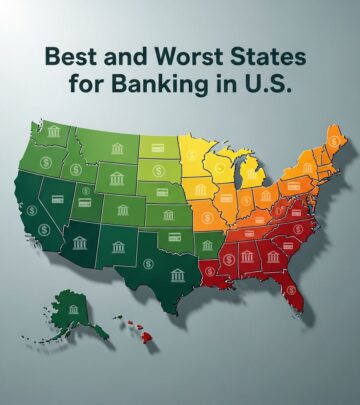
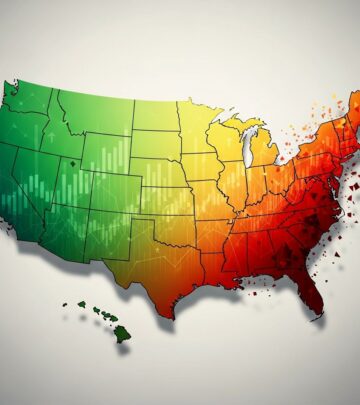
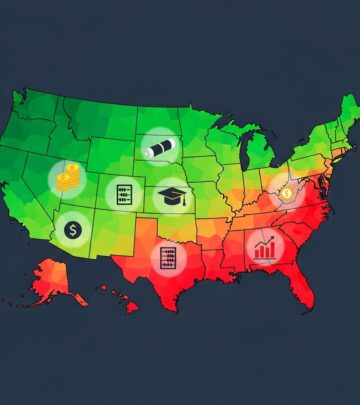
Looking at the map of filings, a clear pattern emerges. The South, followed by parts of the Midwest, tends to have the highest concentration of consumer bankruptcy cases.
| Region | Typical Bankruptcy Characteristics |
|---|---|
| South | Highest filings per capita; heavy use of Chapter 13 in some states; lower median incomes and weaker wage protections. |
| Midwest | Moderately high filings; sectors like manufacturing and agriculture influence household stability; medical and job-related shocks are common. |
| West | Mixed picture: some high-cost states show strong overall numbers, but per-capita rates vary widely depending on local housing markets and state exemption laws. |
| Northeast | Generally lower per-capita consumer filings, though some states have seen sharp percentage increases in recent years. |
Researchers and practitioners point to a combination of economic and legal factors behind these regional differences, especially in the South.
Why Some States Have Higher Bankruptcy Rates
Several key drivers help explain why bankruptcy is more common in some states than others. No single factor tells the whole story; instead, bankruptcy patterns reflect a complex interaction of wages, debt levels, medical costs, consumer protection laws, and local court practices.
Economic Conditions and Household Finances
States with lower median household incomes, higher poverty rates, or less stable employment often show higher bankruptcy filings. In such environments, even modest setbacks—like a short job loss, a medical bill, or an unexpected car repair—can push households into default.
- Lower wages leave less room in the budget to absorb interest rate increases or rising prices.
- Highly cyclical industries such as manufacturing and certain types of services make income more volatile, particularly in parts of the Midwest.
- Limited savings and access to low-cost credit amplify the impact of any financial shock.
Medical Debt and Health Care Costs
Medical bills remain a significant factor behind many consumer bankruptcy filings, especially in states where insurance coverage is less comprehensive and out-of-pocket costs are higher.
In some Midwestern and Southern states, studies and practitioner reports highlight healthcare-related debt as a major reason debtors seek relief, particularly when combined with income loss due to illness or caregiving responsibilities.
State Laws on Garnishment and Exemptions
State policy plays a crucial role. Bankruptcy operates under federal law, but state-level rules govern critical aspects of a debtor’s situation, including:
- Wage garnishment limits – Some high-filing states provide relatively weak protections against wage garnishment, meaning creditors can seize a larger share of a debtor’s paycheck once a judgment is entered.
- Exemption laws – These determine how much equity in a home, car, or other property a debtor can keep in bankruptcy. More generous exemptions can make bankruptcy a more viable way to reset finances without losing everything.
- Foreclosure procedures – Faster or less forgiving foreclosure processes may push borrowers toward bankruptcy to halt or reorganize mortgage debt, especially under Chapter 13.
For example, certain Southern states rely heavily on Chapter 13 bankruptcy, in which debtors commit to a multi-year repayment plan, partly because local lenders and courts have developed systems that channel delinquent borrowers into that framework instead of prolonged informal negotiations.
Chapter 7 vs. Chapter 13: How States Differ
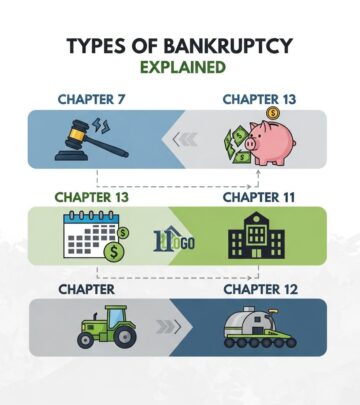
Most consumer bankruptcies fall under either Chapter 7 or Chapter 13 of the U.S. Bankruptcy Code. The mix of these two chapters varies sharply from state to state and region to region.
Chapter 7 Bankruptcy
Chapter 7 is often called liquidation bankruptcy. In eligible cases, the debtor’s non-exempt assets are sold (if any) and the proceeds distributed to creditors, and many unsecured debts such as credit cards and medical bills are discharged.
- Typically used by lower-income debtors who cannot reasonably commit to multi-year repayment.
- Relatively quick process, usually several months from filing to discharge.
- Exemptions depend heavily on state law, which determines what property a debtor can keep.
Chapter 13 Bankruptcy
Chapter 13 is a reorganization for individuals with regular income. Debtors propose a repayment plan lasting three to five years, during which they make monthly payments that are distributed to creditors according to the plan.
- Used often to cure mortgage arrears, catch up on car loans, or manage tax and other priority debts.
- Common in states where homeowners try to avoid foreclosure and where wage garnishment pressure is high.
- Success depends on stable income and realistic budgeting over the life of the plan.
State-by-State Chapter Mix
In many high-filing Southern states, Chapter 13 filings make up an unusually large share of consumer cases, reflecting both creditor practices and court traditions. By contrast, in several Western and Northeastern states, Chapter 7 is more prevalent, with Chapter 13 used selectively when a debtor needs to protect a home or specific secured assets.
These patterns matter because they shape:
- How much debt consumers ultimately repay.
- How long they remain under court supervision.
- The practical effectiveness of bankruptcy as a fresh-start tool in each state.
How Bankruptcy Trends Affect Consumers
For individual consumers, the level of bankruptcy activity in their state has both direct and indirect effects.
Direct Effects
- Access to legal help – In states with high filing rates, there is usually a robust community of bankruptcy attorneys and trustees familiar with local practices.
- Local norms – Courts in high-filing areas may have well-developed procedures for common issues, potentially making the process more predictable.
- Credit landscape – Lenders who operate in high-bankruptcy states may price risk differently, affecting interest rates and the availability of credit for consumers who have not yet filed.
Indirect Effects
- Policy and reform debates – States with high bankruptcy rates often become laboratories for reforms in wage protections, medical billing practices, or consumer credit regulation.
- Economic resilience – A high level of filings can signal underlying vulnerabilities in the state’s economy, such as dependence on a small number of industries or structural inequality.
For a household in financial distress, however, the most important questions are practical: what options exist, and which path offers the best chance of long-term stability?
Alternatives to Bankruptcy and When Filing Makes Sense
Bankruptcy can provide powerful relief, but it is not the only tool—and it carries long-term consequences for credit, borrowing costs, and financial privacy. Consumers in any state, especially those in high-filing regions, should carefully review alternatives before deciding to file.
Common Alternatives
- Debt consolidation – Taking out a new loan to pay off multiple high-interest debts, creating a single payment at a lower rate. This works best for borrowers who still have decent credit and stable income.
- Debt management plans – Working with a nonprofit credit counseling agency to negotiate lower interest rates and structured payments with creditors.
- Direct negotiation – Contacting creditors to request hardship arrangements, temporary forbearance, or settlements.
- Informal budgeting changes – Cutting discretionary spending, downsizing housing or transportation, or increasing income through extra work to close the budget gap.
When Bankruptcy May Be Appropriate
Bankruptcy may merit serious consideration if:
- You face lawsuits, judgments, or aggressive collection actions such as wage garnishment.
- Your total unsecured debt is so large that you cannot realistically repay it within a reasonable period.
- Medical or job-related shocks have permanently reduced your earning capacity.
- Alternative strategies (consolidation, counseling, negotiation) have failed or are clearly insufficient.
Because state law affects exemptions, garnishment, and property rights, it is crucial to consult a qualified local attorney or accredited counseling agency to understand how rules in your specific state will affect the outcome.
Frequently Asked Questions (FAQs)
Q: Which region of the U.S. has the highest consumer bankruptcy rates?
A: The Southern United States consistently records the highest bankruptcy rates per capita, followed by parts of the Midwest. These regions combine relatively low median incomes with significant medical debt burdens and, in some states, weaker wage protection laws that make bankruptcy a common response to financial distress.
Q: Why do some states rely more on Chapter 13 than Chapter 7?
A: Heavy Chapter 13 usage is often driven by local creditor practices, court culture, and state laws. In several Southern states, aggressive collection actions and foreclosure pressures push borrowers toward Chapter 13 plans that allow them to cure mortgage arrears or manage wage garnishment. By contrast, in many Western and Northeastern states, Chapter 7 is more common when debtors primarily need to discharge unsecured debts.
Q: Are bankruptcy filings still increasing nationwide?
A: Yes. Federal court statistics show that overall bankruptcy filings rose about 11.5% in the 12 months ending June 30, 2025, compared with the previous year. Industry reports indicate that 2025 year-to-date filings are up more than 20% over 2024 in some datasets, with consumer Chapter 7 and Chapter 13 filings both contributing to the rise.
Q: How do high bankruptcy rates in my state affect me if I haven’t filed?
A: High statewide filing rates can influence local credit markets and policy debates, but they do not automatically harm your individual credit profile. However, lenders operating in high-risk regions may adjust pricing or underwriting standards. At the same time, you may benefit from greater access to specialized legal help and clearer local court practices if you ever need debt relief.
Q: Should I choose debt consolidation or bankruptcy?
A: Debt consolidation may be suitable if you have stable income, manageable total debt, and credit strong enough to qualify for a lower-rate loan. Bankruptcy is usually considered when debts are overwhelming, collection actions are escalating, or income losses make repayment impossible even with consolidation. Because outcomes depend heavily on your state’s laws and your specific finances, consulting a nonprofit credit counselor or bankruptcy attorney is recommended.
References
- Bankruptcy Filings Rise 11.5 Percent Over Previous Year — Administrative Office of the U.S. Courts. 2025-07-31. https://www.uscourts.gov/data-news/judiciary-news/2025/07/31/bankruptcy-filings-rise-115-percent-over-previous-year
- Bankruptcy Statistics — American Bankruptcy Institute. 2025-01-15 (data through 2024). https://www.abi.org/newsroom/bankruptcy-statistics
- Q1 2025 Bankruptcy Filing Trends Report — BankruptcyWatch. 2025-04-10. https://www.bankruptcywatch.com/blog/q1-report
- Which States Have the Most Bankruptcy Filings in America? — The Bankruptcy Law Firm. 2025-02-20. https://www.thebankruptcylawfirm.net/bankruptcy/which-states-have-most-bankruptcy-filings-in-america/
- Bankruptcy Filings Surge: A 23.5% Increase in 2025 Amid Economic Pressures — Weltman, Weinberg & Reis Co., LPA. 2025-06-18. https://www.weltman.com/publication-bankruptcy-filings-surge-a-23-percent-increase-in-2025-amid-economic-pressures
- 2025 Bankruptcy Trends: How Rising Debt Affects Filings — Nolo. 2025-08-05. https://www.nolo.com/news/america-s-bankruptcy-comeback-why-2025-bankruptcy-filings-are-surging.html
- State-Level Bankruptcy Trends That Creditors Should Watch in 2026 — Tatman Legal. 2025-11-12. https://tatmanlegal.com/state-level-bankruptcy-trends-that-creditors-should-watch-in-2026/
Similar Articles








Read full bio of Sneha Tete