Foreclosure Spikes By State: Key Threats And Options In 2025
Explore why foreclosure activity is climbing in some states faster than others and what struggling homeowners can do.

States Where Foreclosures Are Spiking
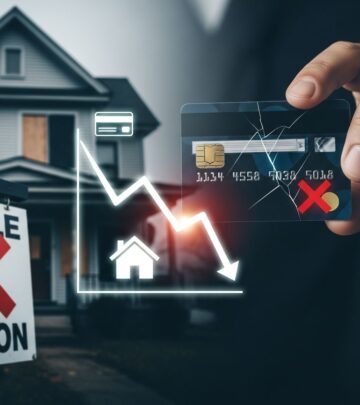
After several years of unusually low foreclosure activity during the pandemic, foreclosure filings are now climbing again in many parts of the United States. Rising interest rates, persistent inflation, and the end of temporary protections have put new pressure on household budgets, causing some homeowners to fall behind on their mortgage payments.1
While the national foreclosure rate remains below pre-2008 peaks, recent data show that some states are seeing much sharper increases than others.2 Understanding where foreclosures are spiking – and why – can help homeowners, buyers, and policymakers gauge local housing risks and prepare accordingly.
What Counts as a Foreclosure Filing?
Housing data providers typically include several stages when they report foreclosure activity:2
- Foreclosure starts – when a lender formally begins the legal process after missed payments.
- Scheduled auctions – when a sale date is set for the property at public auction.
- Bank repossessions (REO) – when the lender takes ownership because the property did not sell at auction.
Most rankings of foreclosure activity are based on the number of filings per housing unit, not just raw counts. A small state can have a high foreclosure rate even with relatively few homes, while a large state can rack up big totals but still have a moderate rate.
National Foreclosure Trends
According to national property data, U.S. foreclosure activity increased in 2024–2025 compared with the unusually low levels recorded during the pandemic-era moratoria on foreclosures and evictions.2 These moratoria, combined with generous forbearance options, kept many distressed borrowers in their homes. As those protections expired, some households that were already financially stretched found it harder to stay current.
However, the national foreclosure rate is still far below the crisis levels seen in the aftermath of the 2008 financial meltdown, largely because underwriting standards have been tighter and home equity has grown in many markets.1
| Indicator | Pre-2008 Peak | Post-Pandemic (Recent Years) |
|---|---|---|
| Typical national foreclosure rate | Historically elevated during crisis years | Higher than 2020–2021, but still lower than peak levels |
| Main drivers | Subprime lending, falling prices, high unemployment | Affordability pressures, higher rates, local economic stress |
States Seeing the Biggest Foreclosure Spikes
Recent data from large housing data providers identify a cluster of states where foreclosure rates have risen faster than the national average.23 Some of these states also appear repeatedly near the top of monthly or quarterly rankings of foreclosure rates.
While exact rankings vary from month to month, the following types of states frequently show elevated activity:
- Sun Belt states with rapid population and price growth, such as parts of the Southeast and West.
- Midwestern and Great Lakes states that have long struggled with older housing stock and slower income growth.
- Smaller states where a modest increase in the number of filings translates into a high rate per household.
High Foreclosure Volume vs. High Foreclosure Rate
It is important to distinguish between the volume of foreclosures and the rate of foreclosure filings:
- Volume is the total number of foreclosure starts or filings in a state during a given period.
- Rate measures the number of filings relative to the total number of housing units, often expressed as “1 in every X homes.”
Large states with millions of housing units can have high foreclosure volumes but only moderate rates, whereas smaller states may show lower volumes but higher rates because there are fewer homes overall.3
States With High Foreclosure Volume
In recent foreclosure statistics, several large states consistently appear at the top of the list for total foreclosure starts.3 These include:
- Texas – the highest number of foreclosure starts in the first half of 2025.
- Florida – second-highest foreclosure starts over the same period.
- California – a close third in overall filings.
- Illinois and New York – also ranking among the top states by volume.
Because these states are heavily populated, even a modest foreclosure rate translates into thousands of filings. In many metro areas, rising property taxes, insurance costs, and adjustable-rate mortgage resets have added to the burden of high home prices and general inflation.
States With the Highest Foreclosure Rates
When ranking states by foreclosure rate – filings per housing unit – a different mix of states frequently appears. Recent national data show that certain states in the Southeast, Midwest, and Mid-Atlantic regions often record some of the highest foreclosure rates in a given month.45
These states share several characteristics:
- Household incomes that have not kept pace with rising living costs.
- Older housing stock that can require costly maintenance.
- Local economies that are highly exposed to manufacturing, tourism, or other cyclical sectors.
| Type of State | Typical Drivers of High Foreclosure Rate |
|---|---|
| Smaller Mid-Atlantic or Midwest states | Slower wage growth, aging homes, legacy economic issues |
| Fast-growing Sun Belt states | Rapid price appreciation, higher insurance and taxes, volatile employment |
| Tourism-dependent states | Sensitivity to travel cycles and seasonal employment swings |
Why Are Foreclosures Spiking in Some States?
Foreclosure spikes rarely have a single cause. Instead, several factors tend to interact at the same time, and their impact can vary significantly by region and state.
1. Higher Interest Rates and Borrowing Costs
The Federal Reserve raised benchmark interest rates aggressively after 2022 to combat inflation, which pushed up mortgage rates and other borrowing costs.1 Homeowners with adjustable-rate mortgages or home equity credit lines have seen their monthly payments rise, sometimes sharply, when their loans reset.
In states where borrowers were more likely to rely on adjustable-rate products, higher rates can quickly translate into affordability problems for homeowners who were already near their financial limits.
2. Stubborn Inflation and Rising Living Costs
Although inflation has cooled from its peak, the cost of essentials like food, utilities, and insurance remains elevated compared with pre-pandemic levels.1 For many households, paychecks have not fully caught up, leaving less room in the budget for mortgage payments and housing repairs.
Homeowners facing a combination of higher everyday costs and increasing mortgage payments are more likely to fall behind, particularly if they lack savings or access to low-cost credit.
3. End of Pandemic-Era Protections
During the COVID-19 emergency period, federal and state policies temporarily paused many foreclosures and allowed borrowers in government-backed loans to enter forbearance programs.1 As these protections expired, borrowers who remained in financial distress had to resume payments or negotiate permanent modifications.
States with a higher concentration of loans that used these protections may experience a delayed wave of foreclosure activity as unresolved cases move through the system.
4. Local Economic Weakness
Foreclosure risk is closely tied to the health of local labor markets. Areas that have seen plant closures, industry downturns, or persistent unemployment tend to have higher delinquency and foreclosure rates.2
In some Midwestern and Southern states, manufacturing-related layoffs and slower job growth have made it harder for homeowners to keep up with payments, particularly if they have limited opportunities to switch into higher-paying fields.
5. Property Taxes, Insurance, and Other Housing Costs
In addition to mortgage principal and interest, homeowners must budget for property taxes, homeowners insurance, and sometimes mortgage insurance or homeowners association dues. In many markets, these costs have risen quickly:
- Property taxes have climbed as local governments respond to higher assessed values and budget needs.
- Insurance premiums have increased sharply in disaster-prone states, particularly along the Gulf Coast and in parts of California.2
- Maintenance and repair costs are elevated due to higher materials and labor prices.
In states with high property taxes, expensive insurance, or frequent natural disasters, these extra costs can push marginal borrowers into delinquency even if the underlying mortgage rate is relatively moderate.
How Foreclosure Spikes Affect Homeowners and Local Markets
Rising foreclosure activity can have significant consequences for both individual households and local housing markets.
Impact on Homeowners
- Damage to credit – A completed foreclosure can remain on a credit report for up to seven years, reducing access to credit and making future borrowing more expensive.
- Loss of equity – Homeowners who cannot sell or refinance before foreclosure may lose much or all of the equity they built in their property.
- Housing instability – Foreclosure often forces families to move, disrupt schools and jobs, and downgrade to more expensive or less stable rental options.
Impact on Communities
- Vacant properties – A high concentration of foreclosures can lead to vacant homes, which may attract vandalism and lower neighborhood property values.
- Price dynamics – Distressed sales can put downward pressure on nearby home prices, especially in areas where demand is already soft.
- Municipal budgets – Foreclosures can reduce property tax collections and increase local government spending on code enforcement and public safety.
What Homeowners in High-Risk States Can Do
Homeowners in states where foreclosure activity is spiking are not powerless. Acting early, before missed payments pile up, is often the key to keeping a home.
1. Contact Your Servicer Immediately
Most mortgage servicers offer a range of options to borrowers experiencing temporary hardship, such as short-term forbearance, repayment plans, or loan modifications.1 The earlier a homeowner reaches out, the more options are typically available.
2. Explore Refinancing or Loan Modification
Even in a higher-rate environment, some borrowers can benefit from refinancing – for example, by moving from an adjustable-rate mortgage to a fixed rate, or by extending the term to lower monthly payments. Others may qualify for a permanent loan modification that reduces the interest rate or changes the loan structure.
3. Consider Debt Consolidation
In many cases, mortgage trouble is part of a wider debt problem. High-interest credit cards, personal loans, medical bills, and other obligations can squeeze the household budget and leave too little for housing costs. Debt consolidation can help:
- Combine multiple unsecured debts into a single payment.
- Potentially reduce the interest rate and total monthly payment.
- Simplify budgeting and avoid missed due dates.
While consolidation will not fix underlying overspending or income constraints, it can create breathing room so that homeowners can stay current on their mortgage and avoid foreclosure.
4. Use Housing Counseling and Relief Programs
HUD-approved housing counseling agencies offer free or low-cost help to homeowners struggling with their mortgage. Counselors can explain available options, help communicate with servicers, and screen for local assistance programs.1
Some states and municipalities also sponsor relief programs, such as temporary mortgage assistance grants or funds targeted at homeowners affected by disasters or economic shocks.
5. Evaluate Selling Before Foreclosure
If keeping the home is not realistic, selling before foreclosure can protect credit and preserve equity. In markets where home prices remain relatively high, owners who are still current or only slightly behind may be able to sell quickly and emerge with cash to fund a more affordable housing solution.
For owners who owe more than the home is worth, a short sale – with lender approval – may be preferable to a completed foreclosure, though it can still have negative credit consequences.
Key Takeaways for Buyers and Investors
Foreclosure spikes can also create opportunities and risks for buyers and investors:
- More distressed listings – In states with rising foreclosure rates, buyers may see more bank-owned properties or short sales, sometimes at discounted prices.
- Property condition risk – Foreclosed properties are often sold “as-is” and may require substantial repair or renovation.
- Market volatility – A wave of distressed sales can create short-term price volatility and complicate valuation for appraisals and financing.
Prospective buyers should conduct thorough inspections, budget for repairs, and work with professionals experienced in distressed transactions.
Frequently Asked Questions (FAQs)
Q: Which states are seeing the worst foreclosure problems right now?
A: Recent data show that several large states lead in total foreclosure starts, while a different set of states rank highest when filings are measured as a share of all housing units.34 The mix typically includes parts of the Southeast, Midwest, and Mid-Atlantic regions.
Q: Are foreclosure rates back to the levels seen after the 2008 crisis?
A: No. Although foreclosure activity has increased compared with the pandemic years, national rates remain well below the extremes reached during the housing bust that followed the 2008 financial crisis.1
Q: Why are some states hit harder than others?
A: Local economic conditions, housing affordability, tax and insurance costs, and the mix of mortgage products all play a role. States with weaker labor markets, high housing-related expenses, or many adjustable-rate loans tend to see more pressure on homeowners.2
Q: Can debt consolidation really help me avoid foreclosure?
A: Debt consolidation cannot fix every situation, but it can reduce the monthly cost of unsecured debts like credit cards and personal loans. By freeing up cash flow, some homeowners can redirect funds toward their mortgage and stay current, especially when combined with a modification or other relief.
Q: What should I do if I’m already behind on my mortgage?
A: Contact your mortgage servicer immediately, seek help from a HUD-approved housing counselor, and explore options such as forbearance, repayment plans, loan modification, or selling before foreclosure.1 Acting quickly usually leads to better outcomes than waiting until the later stages of the foreclosure process.
References
- Mortgage Forbearance and COVID-19: Payment Relief Options — Consumer Financial Protection Bureau. 2024-03-01. https://www.consumerfinance.gov/coronavirus/mortgage-and-housing-assistance/mortgage-relief/
- U.S. Foreclosure Market Report — ATTOM Data Solutions. 2025-10-10. https://www.attomdata.com/news/most-recent/foreclosure-rates-by-state/
- 64 Foreclosure Statistics for 2025 — The Kaplan Group. 2025-07-01. https://www.kaplancollectionagency.com/blog/64-foreclosure-statistics-for-2025/
- Foreclosure Rates for All 50 States – November 2025 — SoFi / ATTOM data summary. 2025-12-01. https://www.sofi.com/learn/content/foreclosure-rates-for-50-states/
- Rising U.S. Foreclosure Rates: What Homeowners and Buyers Need to Know — Nolo (ATTOM data analysis). 2025-10-15. https://www.nolo.com/legal-encyclopedia/foreclosure-rates-2023.html
Similar Articles








Read full bio of Sneha Tete