9 States That Still Tax Social Security Benefits in 2025
Which states tax Social Security? Learn the nine states still taxing benefits and income thresholds.
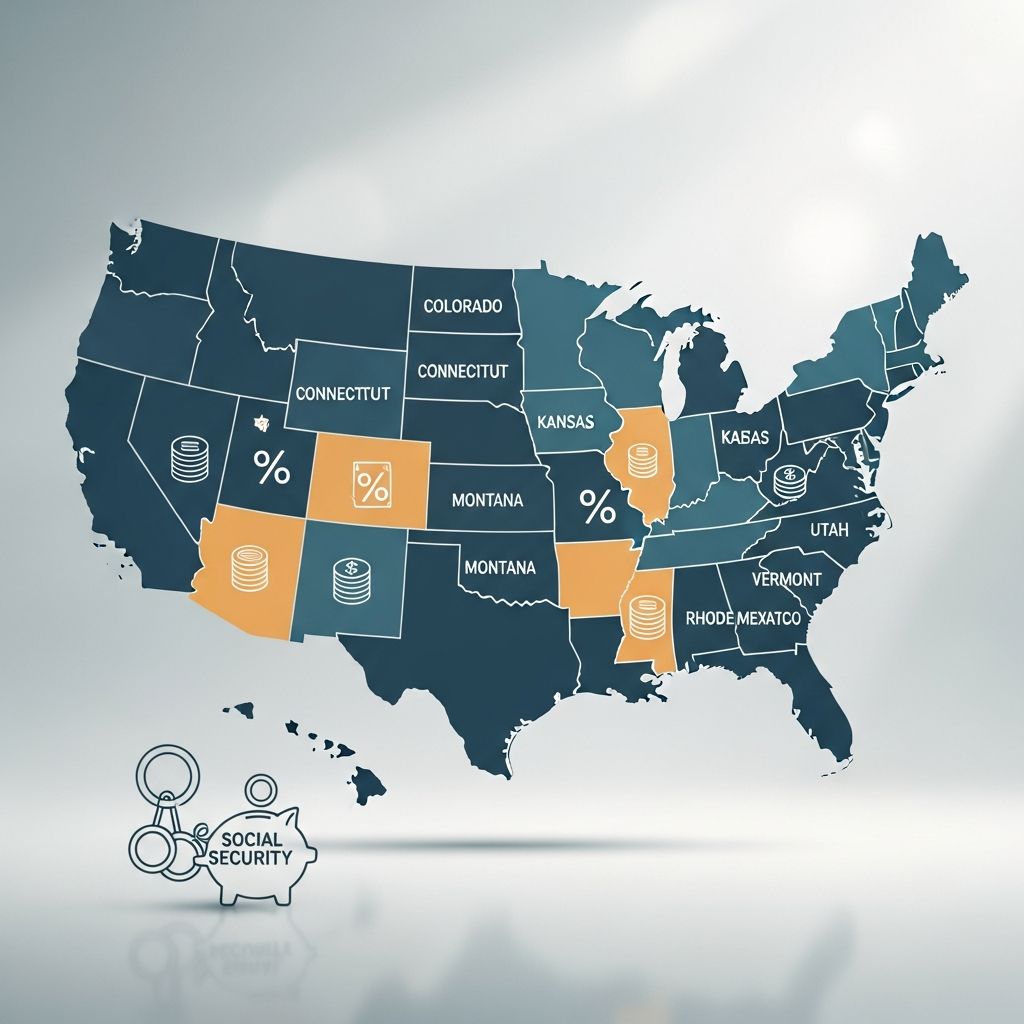
For millions of Americans, Social Security represents a critical source of retirement income. However, while the federal government offers favorable tax treatment for these benefits, not all states follow suit. Although most Americans do not have to pay taxes on their Social Security checks, federal and state tax laws can significantly reduce the payments retirees receive. As of 2025, nine states continue to tax Social Security benefits, though this number is gradually decreasing as more states eliminate or phase out these taxes.
The trend toward eliminating Social Security taxes at the state level has been gaining momentum. Most recently, Kansas and West Virginia passed laws to eliminate or phase out their taxes on Social Security benefits, reflecting growing recognition that taxing retirement income can burden seniors living on fixed incomes. Understanding which states tax Social Security and knowing the specific rules in each state is crucial for retirement planning.
The Nine States That Tax Social Security Benefits
As of 2025, the following nine states still impose taxes on Social Security benefits:
- Colorado
- Connecticut
- Minnesota
- Montana
- New Mexico
- Rhode Island
- Utah
- Vermont
- West Virginia
It’s important to note that West Virginia is actively phasing out its Social Security tax, making it likely that this list will shrink even further in coming years. Each state has its own unique rules regarding how Social Security benefits are taxed, with varying income thresholds, deduction amounts, and exemption criteria.
Colorado: Deductions for Seniors
Colorado maintains a state income tax rate of 4.4%, but not all Social Security recipients in the state are required to pay taxes on their benefits. The state offers age-based deductions that provide significant relief for older retirees. Individuals aged 65 and older can deduct all their federally taxed Social Security benefits from their state taxable income, effectively eliminating state taxes on Social Security for this group.
For those between 55 and 64 years old, Colorado provides a smaller but still meaningful tax break. Taxpayers in this age group whose income falls under certain thresholds can deduct portions of their Social Security benefits. This tiered approach ensures that younger beneficiaries and those with lower incomes receive some tax relief, even if they don’t qualify for the full exemption available to those 65 and older.
Connecticut: Income-Based Exemptions
Connecticut takes an income-based approach to taxing Social Security benefits. Retirees in Connecticut only pay state taxes on Social Security benefits if their adjusted gross income exceeds specific thresholds. For individual filers, the threshold is $75,000, while married couples filing jointly must have income over $100,000 before their benefits are subject to state taxation.
Even for those whose income exceeds these thresholds, Connecticut provides partial protection. Up to 75% of Social Security benefits are exempt from state taxes, meaning only 25% of benefits above the income threshold are subject to taxation. This structure provides meaningful relief for moderate-income retirees while protecting lower-income beneficiaries from state taxes entirely.
Minnesota: Progressive Income Limits
Minnesota taxes Social Security income that the federal government considers taxable. However, the state offers a significant deduction to eligible retirees. Married couples filing jointly can avoid taxes if their income falls below $108,320, while single filers with income below $84,490 are exempt from state taxes on Social Security benefits.
Higher-income Minnesotans remain subject to state taxes on their benefits, but there is growing momentum in the state legislature to change this policy. Some state lawmakers are actively supporting legislation that would end all taxation of Social Security benefits in Minnesota, following the trend of other states moving toward eliminating these taxes.
Montana: Limited Deductions for Older Adults
Montana’s approach to taxing Social Security benefits is less generous than most other states with Social Security taxes. Montanans with incomes over $32,000 (for married couples) or over $25,000 (for individuals) are subject to state taxes on Social Security benefits. While deductions are available to higher-income taxpayers, the thresholds are relatively low compared to other states.
Taxpayers aged 65 and older in Montana receive only a $5,500 subtraction from federal taxable income, and several other income deductions that previously provided relief were eliminated. A 2023 attempt to end Social Security taxation in Montana was unsuccessful, leaving residents to navigate the state’s existing tax structure.
New Mexico: High Income Thresholds
New Mexico provides one of the most generous exemptions for Social Security benefits among states that still tax them. Following legislation passed in 2022, most New Mexico taxpayers avoid state taxes on Social Security entirely. The state allows single residents earning under $100,000 and married couples earning under $150,000 to fully deduct Social Security payments from their taxable income.
Retirees with incomes above these thresholds are subject to income tax ranging from 1.7% to 5.9%, including taxation on Social Security benefits. This structure means that many retirees in New Mexico—particularly those in the lower and middle-income ranges—can enjoy their Social Security benefits without state tax burden.
Rhode Island: Full Retirement Age Considerations
Rhode Island exempts Social Security benefits from state income tax for many retirees, with special consideration given to those who have reached full retirement age. The income threshold for avoiding taxation on benefits is $104,200 for single filers (as of 2024). For joint filers, more recent data suggests thresholds of $130,250 or higher.
Other retirees who don’t meet the income requirements or haven’t reached full retirement age will pay state income taxes on their benefits, with rates ranging from 3.75% to 5.99%. This progressive structure ensures that lower-income seniors and those who have reached full retirement age receive the most favorable treatment.
Vermont: Lower Income Thresholds
Vermont taxes Social Security benefits but provides exemptions based on income levels. Individual taxpayers in Vermont are typically not subject to taxes on benefits if their income remains below $50,000. For married couples, the threshold is $65,000. However, for people earning above these amounts, state taxes quickly begin to take effect.
For individuals earning over $60,000 and couples earning over $75,000, state taxes are fully in effect on Social Security benefits. A growing bipartisan effort in Vermont’s legislature is underway to address this issue. Over 60 lawmakers, including Democrats and some Republicans, are pushing to increase the income thresholds for the state’s Social Security tax, recognizing the burden these taxes place on retirees.
Utah: Tax Credits and Household Considerations
Utah taxes Social Security benefits, though some households may qualify for tax relief through credits. Some households earning over $90,000 are still subject to Social Security taxes at the state’s 4.55% income tax rate. However, a tax credit completely offsets this tax burden for lower-income households, ensuring that the poorest retirees pay nothing.
Utah Governor Spencer Cox has advocated for completely eliminating the state’s Social Security tax. In January 2025, Cox referred to his efforts to end all taxation of benefits as his “most popular proposal” in years, noting that it could save certain households nearly $1,000 per year. Utah also offers a retirement tax credit of $450, though taxpayers cannot claim this credit simultaneously with the Social Security benefits credit.
West Virginia: Phasing Out Taxation
West Virginia is rapidly phasing out its Social Security tax, making it barely qualify as a state that still taxes these benefits. The Mountain State is employing a unique approach by allowing a discount subtraction from adjusted gross income (AGI) that increases each year. In 2025, 65% of Social Security benefits can be subtracted from AGI. By 2026, the state will allow 100% of Social Security benefits to be subtracted, effectively eliminating the tax entirely.
This phased approach provides immediate relief to West Virginia retirees while transitioning the state completely away from Social Security taxation. This move reflects the broader national trend recognizing that taxing Social Security benefits creates an unfair burden on seniors living on fixed incomes.
The Broader Trend: States Moving Away from Social Security Taxes
The number of states taxing Social Security benefits has been steadily declining. Most recently, Kansas and West Virginia passed laws eliminating or phasing out their taxes, demonstrating that the arguments against these taxes have proven persuasive in many parts of the country. As more states recognize the financial strain these taxes place on retirees, additional states may follow suit in coming years.
This trend reflects a broader understanding that Social Security benefits, which are earned through decades of payroll tax contributions, should receive favorable tax treatment to protect seniors’ retirement security. States that have eliminated these taxes have often found that the policy change enjoys broad bipartisan support and strong public approval.
Planning Your Retirement Around State Taxes
If you’re planning retirement or considering relocating, understanding how your state taxes Social Security benefits is crucial for accurate financial planning. Residents of the nine states listed above should carefully review their specific situation, as income thresholds, deductions, and exemptions vary considerably. Many states offer tools or worksheets to help retirees determine their state tax liability on Social Security benefits.
For those in states without Social Security taxes—including states like Texas and Florida that have no income tax at all—retirement planning may be simpler. However, even in tax-friendly states, other retirement income sources may be subject to state taxation, so a comprehensive review of all tax implications is recommended.
Frequently Asked Questions
Q: Does the federal government tax Social Security benefits?
A: Yes, the federal government can tax Social Security benefits depending on your combined income level. Up to 85% of benefits may be subject to federal income tax for higher-income retirees, though many lower and middle-income beneficiaries pay no federal tax on benefits.
Q: Can I move to a different state to avoid Social Security taxes?
A: Yes, if you’re considering relocating, choosing a state without Social Security taxes could reduce your tax burden. However, consider other factors such as cost of living, healthcare access, climate, and proximity to family before making a move based solely on tax considerations.
Q: What is the difference between adjusted gross income (AGI) and taxable income?
A: AGI is your total income minus specific deductions, while taxable income is AGI minus the standard deduction or itemized deductions. States often use AGI thresholds for determining Social Security tax liability.
Q: Are there federal efforts to eliminate state Social Security taxes?
A: Yes, lawmakers have proposed federal legislation aimed at ending taxes on Social Security benefits entirely. These efforts reflect growing recognition that taxing earned retirement benefits creates hardship for seniors.
Q: How do I determine my exact tax liability on Social Security benefits?
A: Contact your state tax agency or consult with a tax professional familiar with your state’s specific rules. Many states provide tax worksheets and calculators to help determine your liability based on income level and filing status.
References
- States That Tax Social Security Benefits — Money Magazine. 2025. https://money.com/social-security-state-taxes-2025/
- States That Tax Social Security Benefits in 2025 — Kiplinger. 2025. https://www.kiplinger.com/retirement/social-security/603803/states-that-tax-social-security-benefits
- Best States to Retire for Taxes (2025) – Tax-Friendly States for Retirees — SmartAsset. 2025. https://smartasset.com/retirement/retirement-taxes
- You’re Retiring. Get Ready for These Tax Changes — Money Magazine. 2025. https://money.com/taxes-in-retirement/
- Cost-of-Living Adjustment (COLA) Information — Social Security Administration. 2025. https://www.ssa.gov/cola/
Similar Articles








Read full bio of medha deb