States Facing the Toughest Inflation Pressures
Discover which U.S. states are experiencing the highest inflation rates and why certain regions feel the pinch more than others in 2026.
Inflation continues to shape American households’ financial landscapes differently across the nation. While the national average hovers around 2.4% as of February 2026, certain states endure significantly higher rates, particularly in urban centers and coastal regions. This disparity stems from variations in housing markets, energy dependencies, and local economic policies.
National Inflation Snapshot in 2026
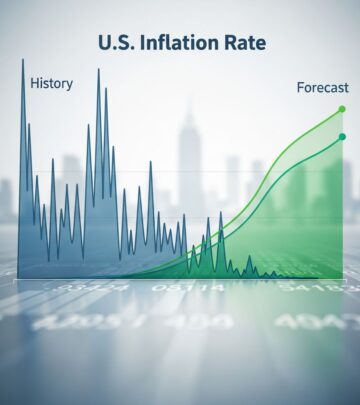
The U.S. inflation rate remained steady at 2.4% for the 12 months ending February 2026, matching January’s figure and marking the lowest since May 2025. Energy prices showed a slight rebound, with gasoline declines easing to -5.6% and natural gas rising 10.9%. Core inflation also held at 2.5%, reflecting stability in non-volatile components. Projections suggest a potential uptick to 3.0% by quarter’s end, driven by fiscal expansions and policy shifts.
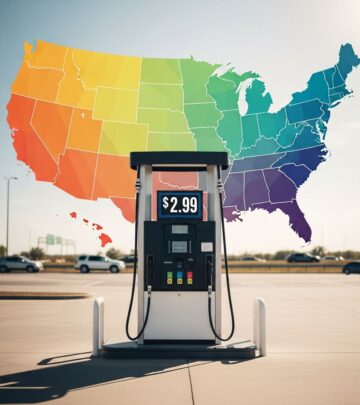
Despite this moderation, state-level data reveals stark contrasts. Tools like the Joint Economic Committee’s State Inflation Tracker allow comparisons, highlighting how local factors amplify national trends.
Regional Disparities: Conservative vs. Liberal States
Recent analyses show conservative-leaning states generally experiencing lower inflation than liberal ones. As of November 2025, year-over-year inflation averaged 2.5% in conservative states versus 3.0% in liberal states. This gap persists across categories like housing (3.4% vs. 3.6%) and energy (3.5% vs. 5.2%).
| Category | Conservative States | Liberal States |
|---|---|---|
| All Items | 2.5% | 3.0% |
| Housing | 3.4% | 3.6% |
| Food & Beverage | 2.5% | 2.7% |
| Energy | 3.5% | 5.2% |
| Transportation | 0.7% | 2.5% |
This table, based on November 2025 data, underscores broader patterns where supply elasticity in conservative areas mitigates price surges.
Urban Hotspots: Metro Areas Under Pressure
Metropolitan regions amplify inflation challenges. Metro areas in conservative states posted 1.9% all-items inflation, far below the 3.0% in liberal-state metros. Housing inflation reached 3.9% in liberal metros compared to 2.3% elsewhere, while energy hit 5.9% versus 5.2%.
| Category | Conservative State Metros | Liberal State Metros |
|---|---|---|
| All Items | 1.9% | 3.0% |
| Housing | 2.3% | 3.9% |
| Food & Beverage | 2.8% | 2.8% |
| Energy | 5.2% | 5.9% |
| Transportation | 0.0% | 2.7% |
Cities like San Francisco, Seattle, and urban Hawaii exemplify high-inflation zones due to housing shortages and high energy costs.
Top States Where Inflation Bites Hardest
- California: Persistent housing crises and energy volatility push rates above 3.5% in key metros.
- Hawaii: Isolated geography inflates food and import costs, with urban areas exceeding 4%.
- Washington: Tech-driven demand meets regulatory hurdles, elevating shelter and utility prices.
- New York: Dense populations strain housing supply, contributing to 3.2%+ overall inflation.
- Massachusetts: High living standards correlate with elevated food and transportation costs.
These states often feature in trackers showing sustained above-national averages, influenced by urban density and policy environments.
Key Cost Drivers Fueling State Inflation
Housing: The Persistent Strain
Housing remains the largest inflation culprit, with rents and home prices rising due to supply constraints. Liberal metros see sharper increases from zoning restrictions and demand pressures.
Energy and Utilities: Regional Vulnerabilities
Energy inflation varies widely; liberal states face higher rates from green policies and import reliance. Conservative areas benefit from domestic production, keeping transportation costs low.
Food and Essentials: Everyday Impacts
Food inflation hovers around 2.5-2.7%, but import-heavy states like Hawaii amplify grocery bills through logistics costs.
Why Some States Fare Better
Conservative states often enjoy more elastic housing supplies and energy independence. Policies favoring development and fossil fuels curb price spikes. Metro data reinforces this, with red-state cities showing near-zero transportation inflation.
Fox News discussions highlight White House reports crediting such approaches for affordability gains in red states.
Future Outlook: Risks Ahead
While current rates stabilize, experts warn of upside risks exceeding 4% by late 2026. Tariffs, fiscal deficits over 7% of GDP, tighter labor markets, and drifting expectations could reignite pressures, hitting high-inflation states hardest.
Practical Strategies for High-Inflation States
- Refinance mortgages to lock in lower rates amid housing slowdowns.
- Shop regional markets to dodge import-driven food hikes.
- Invest in energy-efficient homes to offset utility surges.
- Monitor state trackers for relocation insights.
Frequently Asked Questions
What is the current U.S. inflation rate?
As of February 2026, it’s 2.4% year-over-year.
Which states have the highest inflation?
Coastal and urban-heavy states like California, Hawaii, and New York top lists, often above 3%.
Why do liberal states face higher inflation?
Factors include tighter housing supplies and higher energy costs from policy differences.
Is inflation cooling nationwide?
Yes, at 2.4%, but state variances persist, with risks of rebound.
How can I track my state’s inflation?
Use the JEC State Inflation Tracker for real-time data.
References
- Inflation Across Conservative and Liberal States and Metro Areas — White House. 2025-12. https://www.whitehouse.gov/wp-content/uploads/2025/12/Inflation-Across-Conservative-and-Liberal-States-and-Metro-Areas.pdf
- NEW DATA JUST IN: Here are the US states with HIGHER inflation — Fox News. 2025-12-27. https://www.youtube.com/watch?v=Q0rfqHzev0U
- State Inflation Tracker — U.S. Congress Joint Economic Committee. Accessed 2026. https://www.jec.senate.gov/public/index.cfm/republicans/state-inflation-tracker
- United States Inflation Rate — Trading Economics. 2026. https://tradingeconomics.com/united-states/inflation-cpi
- Current U.S. Inflation Rates: 2000-2026 — US Inflation Calculator. 2026-03-11. https://www.usinflationcalculator.com/inflation/current-inflation-rates/
- The risk of higher US inflation in 2026 — Peterson Institute for International Economics (PIIE). 2026. https://www.piie.com/blogs/realtime-economics/2026/risk-higher-us-inflation-2026
- Consumer Price Index – February 2026 — Bureau of Labor Statistics. 2026. https://www.bls.gov/news.release/pdf/cpi.pdf
Similar Articles








Read full bio of Sneha Tete