State EV Tax Credits & Rebates: Your Guide to Incentives
Discover state and local EV incentives available after federal tax credits expire.
State EV Tax Credits and Rebates: Finding Incentives Beyond Federal Programs
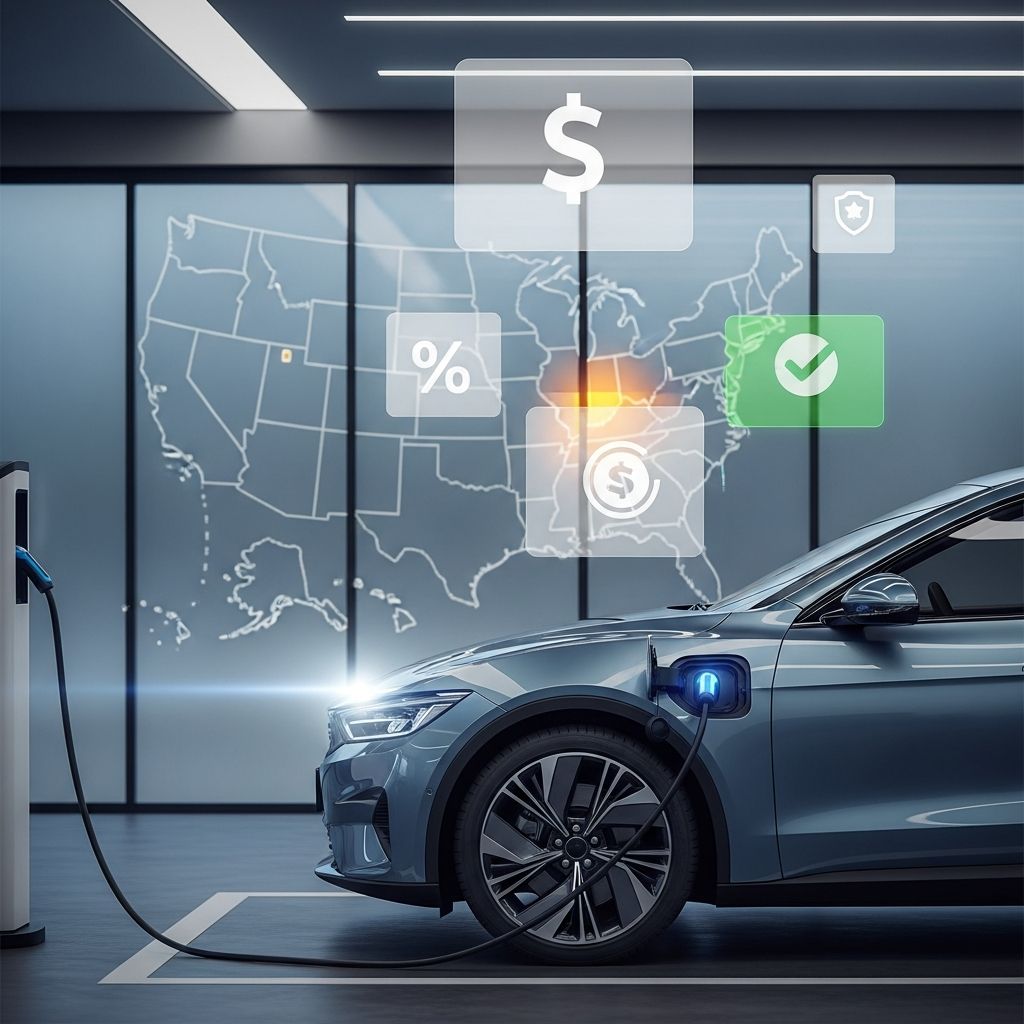
While the federal electric vehicle tax credit expired on September 30, 2025, numerous state and local governments continue to offer their own EV incentives to encourage electric vehicle adoption. These state-level programs provide significant savings opportunities for buyers looking to reduce their EV purchase costs. Understanding what incentives are available in your state can make a substantial difference in your overall vehicle investment.
Understanding the End of Federal EV Tax Credits
The federal EV tax credit program, which had provided up to $7,500 for new electric vehicles and $4,000 for used EVs, came to an end on September 30, 2025, following the One Big Beautiful Bill Act. This elimination marked a significant shift in how EV purchasers can access incentives. However, buyers who entered into binding contracts and made payments before the deadline can still claim the credit on their 2025 tax returns.
For those purchasing vehicles after October 1, 2025, the landscape of EV incentives has fundamentally changed. The responsibility for supporting EV adoption has largely shifted to individual states and local municipalities, creating a patchwork of incentive programs across the country.
State-Level EV Tax Credits and Rebates
Many states have implemented their own electric vehicle tax credit and rebate programs to maintain momentum in EV adoption. These state-level incentives vary significantly in terms of credit amounts, eligibility requirements, and the types of vehicles covered.
Types of State Incentives Available
State EV incentives typically fall into several categories:
– Point-of-sale rebates: Applied directly at the dealership, reducing the purchase price immediately- Tax credits: Claimed on state income tax returns, providing refunds in the following tax year- Rebate programs: Direct reimbursements from state environmental or transportation agencies- Additional incentives: Home charging station credits, carpool lane access, or registration fee waivers
Regional EV Incentive Programs
Different regions of the United States have adopted varying approaches to supporting electric vehicle purchases. Some states have embraced aggressive incentive programs, while others maintain more modest offerings.
Western States
Western states have generally been among the most progressive in supporting EV adoption. These regions often offer substantial tax credits, rebate programs, and charging infrastructure incentives. Many western states provide additional benefits such as carpool lane access for electric vehicles and expedited registration processing.
Northeastern States
The Northeast has developed several collaborative incentive programs through regional partnerships. These states coordinate their efforts to create consistent incentive structures across state lines, making it easier for residents to understand what benefits they may qualify for.
Southern and Midwestern States
Southern and Midwestern states have begun developing their own EV incentive programs, though they typically offer more modest credits compared to western and northeastern regions. Some of these states focus on incentivizing commercial EV adoption and charging infrastructure development.
Eligibility Requirements for State EV Incentives
While state incentive programs vary, many share common eligibility criteria that potential buyers should understand.
Vehicle Eligibility
Most state programs require that vehicles be:
– New or used battery electric vehicles (BEVs) or plug-in hybrid electric vehicles (PHEVs)- Registered for use within the state- Purchased from authorized dealerships- Placed in service within specific timeframes
Buyer Eligibility
State incentive programs typically have income limits, though these are generally more generous than the federal limits that applied before September 30, 2025. Some states have eliminated income restrictions entirely for certain incentive programs, while others maintain moderate income thresholds.
Purchase Price Limits
Many state programs establish maximum vehicle purchase prices to qualify for incentives. These limits help ensure that incentives support purchasers of mainstream vehicles rather than luxury models.
How to Find State-Specific Incentives
Researching available incentives in your state requires checking multiple resources and staying current with program changes.
State Environmental Agency Resources
Your state’s environmental or energy department website typically maintains comprehensive lists of available EV incentives. These agencies often provide detailed information about eligibility requirements, application processes, and credit amounts.
Dealership Resources
Many authorized EV dealerships maintain detailed information about state and local incentive programs. Dealers can often streamline the application process by handling rebate applications directly at the time of purchase.
Non-Profit Organizations
Organizations focused on sustainable transportation often maintain updated databases of available EV incentives across all states. These resources can help you quickly identify programs applicable to your situation.
Maximizing Your EV Incentive Savings
To get the most value from available state incentives, consider the following strategies:
Timing Your Purchase
Some state programs operate on a first-come, first-served basis with limited funding. Understanding application deadlines and funding availability can help you secure incentives before they run out.
Vehicle Selection
Different state programs may offer varying levels of incentives for different vehicle types. Comparing incentive amounts across different models can help you identify the most economical purchase option.
Combining State and Municipal Incentives
In some cases, state incentives can be combined with municipal or local programs, multiplying your total savings. Research whether your city or county offers additional EV purchase incentives.
Local and Municipal EV Incentives
Beyond state programs, many cities and counties offer their own electric vehicle incentives.
City-Level Programs
Major metropolitan areas frequently offer local EV purchase incentives, charging station installation credits, and property tax reductions for EV owners. These programs complement state-level incentives and can significantly increase total savings.
Utility Company Rebates
Many electric utility companies offer rebates for EV charging equipment installation and home charging station upgrades. These programs support EV adoption by reducing the cost of infrastructure that enables home charging.
Charging Infrastructure Incentives
Beyond vehicle purchase incentives, many states and local governments provide support for home and public charging equipment installation.
Home Charging Installation Credits
States and utilities frequently offer rebates or tax credits for installing home Level 2 charging stations. These incentives typically range from several hundred to several thousand dollars and can significantly reduce the cost of establishing convenient home charging capability.
Public Charging Network Support
Many states invest in public charging infrastructure through grants and incentive programs. Understanding the availability of public charging in your area can influence your EV purchase decision and overall ownership experience.
Future of State EV Incentives
The landscape of state EV incentives continues to evolve as federal support ends. State governments are increasingly recognizing their role in supporting EV adoption and emissions reduction goals.
Expected Changes and Expansion
Many states are expected to expand their incentive programs in response to the expiration of federal credits. This expansion may include higher credit amounts, broader vehicle eligibility, or new types of incentive structures.
Political and Economic Factors
State-level support for EV incentives varies based on political climate and state budget considerations. Understanding your state’s long-term commitment to EV support can help you make informed purchase decisions.
Frequently Asked Questions
Q: Can I stack state EV incentives with other programs?
A: Many states allow combining state tax credits with utility rebates and local incentives. However, some programs have restrictions on combining incentives. Check your specific state and local programs to understand what can be combined.
Q: What happens if my state doesn’t offer EV incentives?
A: While many states have programs, not all do. In states without direct purchase incentives, focus on potential utility company rebates for charging equipment and any local municipal programs. You may also consider purchasing in neighboring states if significant incentives are available.
Q: Are used EV purchase incentives available at the state level?
A: Yes, some states offer rebates specifically for used EV purchases. These programs typically have lower credit amounts than new EV programs but provide meaningful savings. Check your state’s program details for used vehicle eligibility.
Q: How long do state EV incentive programs typically last?
A: State program duration varies widely. Some are permanent policy measures, while others operate with annual budget appropriations or set expiration dates. Programs with limited funding may close when funds are depleted.
Q: Do I need to claim state EV incentives on my tax return?
A: This depends on whether the incentive is structured as a tax credit or a direct rebate. Tax credits must be claimed on your state income tax return, while rebates are typically applied directly or reimbursed separately.
Q: Can I transfer state EV tax credits to another person?
A: Generally, tax credits are personal and non-transferable. If you sell your EV before claiming a credit, you typically cannot transfer the credit to the new owner. Check your state’s specific rules.
References
- Electric Vehicle Tax Credits are Gone in 2025: What You Need to Know — Edmunds. 2025-10-01. https://www.edmunds.com/fuel-economy/the-ins-and-outs-of-electric-vehicle-tax-credits.html
- Electric Vehicle & Plug-In Hybrid Tax Credit Expiring Soon — Consumer Reports. 2025. https://www.consumerreports.org/cars/hybrids-evs/electric-cars-plug-in-hybrids-that-qualify-for-tax-credits-a7820795671/
- EV Tax Credit 2025: How It Works, Eligible Cars — NerdWallet. 2025. https://www.nerdwallet.com/taxes/learn/ev-tax-credit-electric-vehicle-tax-credit
- Goodbye to $7,500: The EV Tax Credit Ends September 30 — CBT News. 2025-09-30. https://www.cbtnews.com/goodbye-to-7500-the-ev-tax-credit-ends-september-30/
- EV Tax Credits, Car Loan Interest, and Bonus Depreciation — H&R Block. 2025. https://www.hrblock.com/tax-center/irs/tax-law-and-policy/one-big-beautiful-bill-vehicle-tax-credits/
Similar Articles








Read full bio of medha deb