State-by-State Car Insurance Minimums Guide
Navigate mandatory coverage requirements across all 50 states with detailed limits.
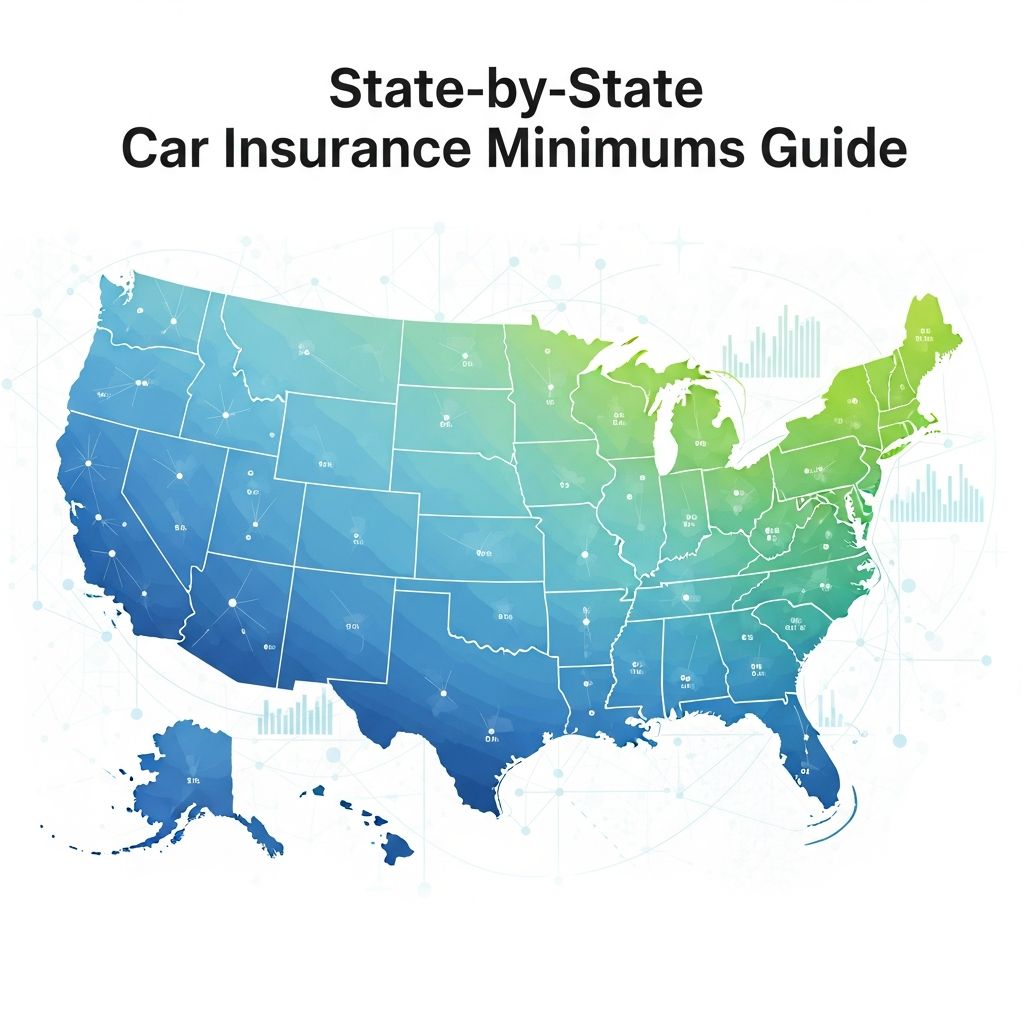
Every state requires drivers to carry some form of auto insurance protection, yet the specific amounts and types of coverage vary significantly depending on where you live. While nearly all states mandate liability coverage to protect other drivers in the event of an accident you cause, the minimum thresholds differ substantially. Understanding these requirements is essential for compliance and ensuring adequate financial protection on the road.
The Foundation of State Insurance Requirements
Auto insurance regulations exist to ensure that drivers can cover damages and injuries they cause to others. Most states follow an at-fault system, where the driver responsible for an accident must pay for damages. However, some states operate under a no-fault system, where each driver’s insurance covers their own injuries regardless of who caused the accident.
The type of system your state uses directly impacts the insurance requirements you must meet. Understanding whether you live in an at-fault or no-fault jurisdiction helps clarify why your state mandates certain coverage types that other states may not.
Bodily Injury Liability: Protecting Other Drivers
Bodily injury liability coverage is the most universally required form of auto insurance across the country. This coverage pays for medical expenses, lost wages, and pain and suffering for people injured in an accident you cause.
States express bodily injury liability requirements using a three-number format, such as 25/50/25, which means:
- $25,000 per person injured in an accident
- $50,000 total per accident for all injured parties
- $25,000 for property damage liability
The minimum bodily injury liability limits vary considerably by state. Common minimums include 25/50 (per person/per accident), though some states require higher thresholds. For example, North Carolina requires $30,000 per person and $60,000 per accident, while Texas has similar requirements. Conversely, California and Louisiana set lower minimums, with California requiring just $15,000 per person and $30,000 per accident.
Property Damage Liability: Covering Vehicle and Asset Damage
Property damage liability insurance covers the cost of repairing or replacing vehicles and other property damaged in an accident you cause. Unlike bodily injury limits, which have per-person and per-accident thresholds, property damage typically has a single limit representing the maximum the insurer will pay per accident.
Minimum property damage requirements range from $5,000 in California to $25,000 in many states including Indiana, Georgia, and South Carolina. Most states cluster around $10,000 to $25,000, recognizing that modern vehicle repair costs often exceed lower thresholds. Some states like Alaska require $25,000, reflecting higher replacement costs in remote regions.
It’s important to note that property damage liability covers damage to other people’s vehicles and property, not your own. Collision and comprehensive coverage would protect your vehicle, but these are typically optional unless required by a lender.
Personal Injury Protection: A No-Fault Coverage Essential
Personal Injury Protection (PIP), also called medical payments coverage in some states, covers your own medical expenses and sometimes lost wages regardless of fault. This coverage is mandatory in no-fault states but optional in most at-fault states.
No-fault states requiring PIP include:
- Florida: $10,000 minimum coverage
- Hawaii: $10,000 per person
- New York: $50,000 per person with additional income replacement benefits
- Michigan: $250,000 per accident (significantly higher than other states)
- New Jersey: $15,000 per accident with enhanced benefits for serious injuries
Some at-fault states make PIP optional, though they may offer it as an upgrade. For instance, Arkansas allows PIP coverage of $5,000 per person on an optional basis. Delaware, despite being primarily at-fault, requires $15,000 per person and $30,000 per accident in PIP coverage.
Uninsured and Underinsured Motorist Coverage
Uninsured motorist (UM) and underinsured motorist (UIM) coverage protects you when an at-fault driver carries insufficient or no insurance. About half of all states require this coverage, though requirements vary significantly.
States with UM/UIM requirements include:
- Connecticut: $25,000 per person / $50,000 per accident
- North Carolina: Must match highest bodily injury limit ($60,000 per accident)
- South Carolina: Must equal liability limits
- Kentucky: $25,000 per person / $50,000 per accident (unless expressly rejected)
- New York: $25,000 per person / $50,000 per accident
In states where UM/UIM is not mandatory, purchasing this coverage remains highly advisable since studies suggest approximately 13% of drivers nationwide operate without adequate insurance.
Comparing Coverage Requirements Across Regions
| Region/State Example | Bodily Injury (per person) | Bodily Injury (per accident) | Property Damage | PIP Status |
|---|---|---|---|---|
| California (West) | $15,000 | $30,000 | $5,000 | Optional |
| Texas (South) | $30,000 | $60,000 | $25,000 | Optional |
| New York (Northeast) | $25,000 | $50,000 | $10,000 | Required ($50,000) |
| Florida (Southeast) | Optional ($10,000) | Optional ($20,000) | $10,000 | Required ($10,000) |
| Michigan (Midwest) | Varies | Varies | Varies | Required ($250,000) |
Special Cases and Exceptions
Several states offer unique provisions that differ from standard requirements. New Hampshire is notable for allowing drivers to operate without insurance if they can demonstrate financial responsibility through other means, such as posting a bond. However, most drivers in New Hampshire maintain standard insurance coverage.
Some states provide reduced coverage options for certain populations. For example, Michigan allows Medicaid-enrolled drivers to carry reduced PIP coverage of $50,000 instead of the standard $250,000. These exceptions typically require meeting specific eligibility criteria.
Remote residents of Alaska may be exempt from insurance requirements if they reside in areas without road access to the continental highway system. This reflects the unique geography and transportation limitations of certain Alaskan communities.
Understanding the 25/50/25 Standard Format
When researching insurance requirements, you’ll frequently encounter shorthand like “25/50/25” or similar combinations. This notation simplifies communication about minimum requirements:
- The first number represents bodily injury liability per person
- The second number represents bodily injury liability per accident (total for all injured parties)
- The third number represents property damage liability per accident
For example, a 25/50/25 requirement means $25,000 per person for bodily injury, $50,000 total per accident, and $25,000 for property damage. This standard applies to approximately 22 states, making it the most common minimum requirement across America.
Why Minimum Coverage Often Falls Short
While states establish minimum requirements to ensure baseline protection, these minimums frequently prove inadequate for serious accidents. Medical costs, vehicle damages, and long-term care expenses can quickly exceed state minimums. A major accident involving multiple vehicles or serious injuries can result in liability claims reaching hundreds of thousands of dollars.
Insurance professionals generally recommend carrying limits significantly higher than state minimums. Many experts suggest at least $100,000 per person and $300,000 per accident in bodily injury liability, along with $50,000 in property damage coverage—substantially higher than most state minimums.
Consequences of Driving Uninsured or Underinsured
Operating a vehicle without meeting your state’s minimum insurance requirements carries serious consequences. Penalties typically include license suspension, vehicle registration cancellation, substantial fines, and potential legal liability for all accident damages. Some states impose jail time for repeated violations.
If you cause an accident while uninsured, you become personally responsible for all damages exceeding your assets. This can result in wage garnishment and damaged credit for years. Additionally, reinstating your license often requires proof of continuous insurance for a specified period.
How Insurance Status Verification Works
Most states maintain insurance verification databases that law enforcement can check during traffic stops. When renewing vehicle registration, states validate that your listed vehicle carries active insurance meeting minimum requirements. These verification systems help ensure compliance and reduce the number of uninsured drivers on roadways.
Choosing Coverage Beyond Minimums
Beyond meeting state minimums, drivers can customize coverage by selecting higher liability limits, adding optional coverages like collision and comprehensive, and adjusting deductibles. Higher deductibles (the amount you pay before insurance covers damages) typically lower premiums but increase out-of-pocket costs in accidents.
Optional coverages that many drivers consider include:
- Collision coverage for damage from vehicle-to-vehicle accidents
- Comprehensive coverage for theft, weather, and vandalism
- Roadside assistance for emergency support
- Rental car reimbursement during repairs
- Gap insurance to cover loan balances on totaled vehicles
Frequently Asked Questions
Are insurance minimums the same everywhere in my state?
Generally, yes—state minimums apply uniformly across the entire state. However, some insurance companies may require higher coverage as a condition of insuring you, and some lenders may mandate specific coverage for financed vehicles.
What happens if I move to a different state?
Your current policy may not meet your new state’s requirements. You should contact your insurance provider immediately after moving to adjust your coverage to comply with the new state’s minimums.
Do rental cars require different coverage?
Rental car agencies typically require evidence of liability coverage. Your personal auto policy usually extends to rental vehicles, but it’s best to confirm with your insurer and check the rental agreement.
Is insurance required for classic or antique vehicles?
If a classic vehicle is registered and driven on public roads, it must meet state insurance requirements like any other vehicle. Some insurers offer specialized classic car policies.
Can I get insurance for just liability coverage?
Yes, liability-only policies meeting your state’s minimums are widely available and typically offer the lowest premium rates.
References
- Minimum Car Insurance Requirements by State — USClaims. Accessed March 2026. https://usclaims.com/news-and-tips/minimum-car-insurance-requirements-by-state/
- Minimum Car Insurance Requirements By State (2025) — 1800LionLaw. Accessed March 2026. https://1800lionlaw.com/minimum-car-insurance-requirements-by-state/
- The Minimum Required Car Insurance by State — NerdWallet. Accessed March 2026. https://www.nerdwallet.com/insurance/auto/learn/minimum-car-insurance-requirements
- Car Insurance Requirements by State — Progressive. Accessed March 2026. https://www.progressive.com/auto/state/
- Insurance Overview — Commonwealth of Pennsylvania Department of Motor Vehicles. Accessed March 2026. https://www.pa.gov/agencies/dmv/vehicle-services/insurance-overview
- Insurance Requirements for Maryland Vehicles — Maryland Motor Vehicle Administration. Accessed March 2026. https://mva.maryland.gov/vehicles/Pages/insurance-requirements.aspx
Similar Articles








Read full bio of Sneha Tete