State-by-State Statute of Limitations on Debt
Complete guide to debt statute of limitations: Know your state's timeline and debt collection rights.
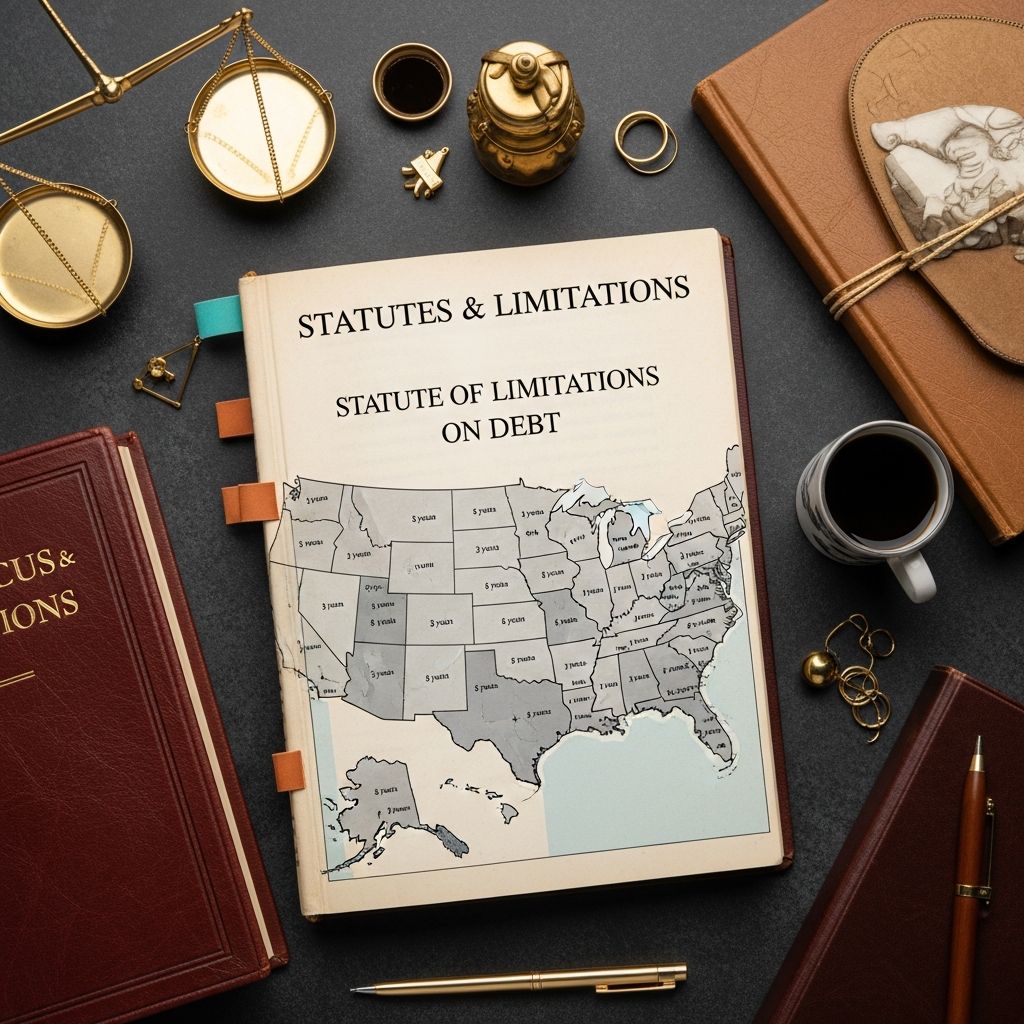
Understanding the Statute of Limitations on Debt
The statute of limitations on debt is a legal timeframe that determines how long creditors and debt collectors have to file a lawsuit against you for unpaid debt. Once this deadline passes, the debt becomes “time-barred,” meaning creditors can no longer pursue legal action to recover the money through the courts. However, understanding this concept is critical because the rules vary significantly by state and by the type of debt you owe.
Every state maintains its own set of rules regarding how long a creditor can pursue collection efforts. These timeframes can range from as short as three years to as long as 15 years for certain types of debt, depending on the state and the classification of the debt. This variation creates a complex landscape for both debtors and creditors, making it essential to understand the specific rules that apply in your state.
How the Statute of Limitations Works
The statute of limitations clock typically begins on the date of first default—meaning the date when you first miss a required payment without bringing your account current. However, this starting point can vary depending on your state’s specific laws. In some jurisdictions, the clock starts from the date of the missed payment, while in others, it may start from the date of the most recent payment, even if that payment occurred during collection efforts.
One critical aspect of the statute of limitations is that certain actions can restart the clock, effectively giving creditors additional years to pursue legal action. These actions typically include making a payment on the debt, acknowledging that you owe the debt, or providing a written promise to pay. For example, if you make even a small payment on an old debt that is nearly time-barred, this could potentially reset the entire limitation period in many states, giving collectors several more years to pursue legal action.
It is important to note that you should never make a payment on a time-barred debt without consulting a lawyer or creating a written agreement with the debt collector that explicitly states the payment does not restart the statute of limitations.
Statute of Limitations by Debt Type
Different types of debt carry different statute of limitations periods across various states. Understanding these distinctions is essential for determining your rights and obligations regarding specific debts you may owe.
Credit Card Debt
Credit card debt typically falls under the category of open accounts. The statute of limitations for credit card debt ranges from three to ten years, with most states falling between four and six years. For instance, California has a four-year statute of limitations on credit card debt, while Texas also allows four years. In contrast, New York provides creditors with six years to pursue legal action, and Ohio also grants six years. This variation means that your location significantly impacts how long you remain vulnerable to a lawsuit for unpaid credit card balances.
Written Contracts
Written contracts—such as auto loans, personal loans, and business financing contracts—generally receive longer statute of limitations periods than other debt types because they include clearly documented terms that courts can reference. Most states allow creditors four to six years to pursue collection on written contracts, though some states extend this period to ten years, recognizing the definitive nature of written agreements. For example, Kentucky applies 15 years to written contracts, representing one of the longest periods in the nation.
Oral Contracts and Verbal Agreements
Verbal agreements present unique challenges in debt collection due to their difficult-to-prove nature. Oral contracts lack specific written terms and depend on witness accounts and payment records to establish their validity. This built-in uncertainty causes most states to impose a shorter collection period limit of two to four years for verbal agreements. The shorter timeframe reflects the evidentiary challenges inherent in proving the existence and terms of an oral contract.
Promissory Notes
Promissory notes occupy a middle ground in terms of statute of limitations periods. Many states grant six to ten years for promissory note collection, recognizing their strong legal standing as debt instruments. Private student loans, which fall under the category of promissory notes, have statute of limitations periods that depend on state laws. However, federal student loans operate differently—no statute of limitations exists on federal student loans, allowing collectors to pursue legal action indefinitely.
State-by-State Statute of Limitations Overview
The United States maintains a diverse legal landscape with significant disparities in collection timeframes that can dramatically impact recovery outcomes. The variation ranges from the shortest state statute—North Carolina at three years for open accounts—to the longest—Kentucky at 15 years for written contracts, representing a 400% variation in available collection time.
In total, statutes of limitations on debt range from just three years in 13 states to ten years in two states, with the other 25 states falling somewhere in between. Understanding your specific state’s regulations is crucial for protecting your rights and understanding your obligations.
Examples of State Variations
To illustrate the complexity, consider these examples: Florida maintains a five-year limitation on written contracts but reduces this to four years for open accounts. Meanwhile, Kentucky applies 15 years to written contracts but only five years to open accounts. Delaware allows three years for credit card debt, while Pennsylvania permits six years—demonstrating how adjacent states can have vastly different rules.
California distinguishes between oral contracts with a two-year statute of limitations and written contracts with a four-year period. These variations mean that the timeline for pursuing or defending against debt collection can differ dramatically depending on your location and the nature of the debt.
What Happens After the Statute of Limitations Expires
Once a debt exceeds its statute of limitations, collection options narrow significantly but do not disappear entirely. When a debt becomes time-barred, creditors cannot file a lawsuit to recover the money, but they may still attempt to collect through non-litigation means.
However, creditors must follow strict guidelines when collecting time-barred debts. They must avoid threats of legal action or misrepresentation, and some states require specific disclosures informing debtors that the debt cannot be legally enforced in court. Additionally, regardless of whether the statute of limitations has passed, debt collectors remain bound by the Fair Debt Collection Practices Act (FDCPA), which prohibits harassment, threats, or misrepresentation.
Settlement negotiations can still be effective after the statute of limitations expires, since many consumers wish to settle past debts to improve their credit scores or gain peace of mind. These negotiations typically focus on significant reductions from the original balance, making it possible to resolve old debts even when legal action is no longer an option.
Court Judgments and Their Statute of Limitations
It is important to distinguish between the statute of limitations on the original debt and the statute of limitations on court judgments. If a creditor successfully sues you before the statute of limitations expires and obtains a judgment, that judgment has its own separate statute of limitations period.
The statute of limitations on court judgments ranges from three years (Oklahoma) to 21 years (Ohio), with most states falling around ten years. Additionally, states allow interest to accumulate on judgments until the debt is paid off, with interest rates ranging from 4% above the Federal Reserve rate (Kansas) to 14% (South Dakota). Furthermore, judgments are easily renewed, meaning creditors can extend the collection period by renewing the judgment before it expires.
Factors That Affect the Statute of Limitations
Several factors can influence how the statute of limitations applies to your specific situation.
Debtor Relocation Across State Lines
When debtors relocate across state lines, determining which state’s statute applies becomes immediately relevant to collection strategy. Most courts use the “most significant relationship” test, evaluating the debt’s origin, payment locations, and the parties’ residences to determine which state’s laws govern the limitation period. For example, if a debt originated in Texas but the debtor now lives in Florida, Texas’s four-year limitation might apply rather than Florida’s five-year period. This mobility complicates tracking limitation periods and often necessitates legal analysis for each account.
Actions That Restart the Clock
Several debtor actions can restart the statute of limitations clock in many states, including:
- Making any payment, even a partial payment, on the time-barred debt
- Providing written acknowledgment that you owe the debt
- Making a verbal promise or commitment to pay the debt
- Providing updated personal information to the creditor
Understanding these actions is critical because they can significantly extend your vulnerability to legal action.
Frequently Asked Questions About Statute of Limitations on Debt
Q: What is the average statute of limitations on debt across the United States?
A: Most states have statutes of limitations between three and six years for debts. However, some states allow longer periods, extending up to 10 or 15 years depending on the debt type.
Q: Can a debt collector still contact me if the statute of limitations has expired?
A: Yes, debt collectors can still contact you regarding a time-barred debt. However, they cannot threaten legal action or misrepresent the debt’s legal status. They must follow Fair Debt Collection Practices Act guidelines and may be required to disclose that the debt cannot be legally enforced.
Q: What happens if I make a payment on an old debt?
A: Making any payment on a time-barred debt can restart the statute of limitations clock in many states, giving creditors additional years to pursue legal action. Before making any payment on old debt, consult with a lawyer or create a written agreement stating that the payment does not restart the statute of limitations.
Q: Do federal student loans have a statute of limitations?
A: No, federal student loans have no statute of limitations. Collectors can pursue legal action for unpaid federal student loans indefinitely. Private student loans, however, are subject to state statute of limitations rules.
Q: How do I know when the statute of limitations clock starts?
A: In most states, the statute of limitations clock begins on the date of first default—when you first miss a required payment. However, some states may count from the most recent payment date. To determine the exact starting point for your situation, consult with a lawyer familiar with your state’s laws.
Q: Can a creditor renew a judgment after it expires?
A: Yes, judgments can be renewed before they expire, effectively extending the collection period. This means a creditor can pursue an old judgment indefinitely by continuing to renew it, even though the original statute of limitations has expired.
Protecting Your Rights and Understanding Your Obligations
Understanding the statute of limitations for debt in your state is essential for protecting your rights and making informed financial decisions. If you are being pursued by a debt collector, determine whether the statute of limitations for that specific debt has expired in your state. If it has, you can assert this as a defense in court if the creditor attempts to sue you.
Additionally, always verify the type of debt involved, as different debt types may have different limitation periods even within the same state. When in doubt, consult with a lawyer who can review your specific situation and advise you on your rights and obligations based on your state’s laws and the nature of your debt.
References
- Guide to Debt Collection Statutes of Limitation by State — South District Group. 2025. https://www.southdistrictgroup.com/blog/statute-limitation-debt-collection-state
- What is the credit card debt statute of limitations and why does it matter? — CBS News. 2024. https://www.cbsnews.com/news/what-is-the-credit-card-debt-statute-of-limitations-and-why-does-it-matter/
- Statute of Limitations on Debt Collection by State (Best Guide) — SoloSuit. 2024. https://www.solosuit.com/posts/statute-limitations-debt-by-state
- State statutes of limitation for credit card debt — CreditCards.com. 2024. https://www.creditcards.com/credit-management/credit-card-state-statute-limitations-1282/
- Statute of Limitations on Debt Collection by State — InCharge.org. 2024. https://www.incharge.org/understanding-debt/credit-card/what-is-statute-of-limitations-all-50-states/
- What Is The Statute Of Limitations On Debt? — Bankrate. 2024. https://www.bankrate.com/personal-finance/debt/statute-of-limitations-on-debt/
- Can debt collectors collect a debt that’s several years old? — Consumer Finance Protection Bureau. 2024. https://www.consumerfinance.gov/ask-cfpb/can-debt-collectors-collect-a-debt-thats-several-years-old-en-1423/
Similar Articles








Read full bio of Sneha Tete