Startup Business Loans: 8-Step Guide To Get Funded
Discover the best startup business loans, eligibility criteria, application steps, and tips to secure funding for your new venture.

Launching a new business often requires capital that many entrepreneurs don’t have on hand. Startup business loans provide a vital funding source for new ventures, helping cover startup costs like inventory, equipment, marketing, and working capital. Unlike loans for established businesses, startup loans focus heavily on personal credit, business plans, and potential rather than revenue history. Options range from government-backed SBA loans to online lenders offering faster approval for businesses with minimal operations.
What Are Startup Business Loans?
Startup business loans are financing products designed for companies in their early stages, typically less than two years old, with little to no revenue history. Lenders assess risk based on the owner’s personal credit score (often 500+), business plan viability, collateral, and sometimes minimal time in business (3-6 months). These loans come in various forms, including term loans, lines of credit, microloans, and equipment financing, with amounts from $1,000 to $5.5 million.
Traditional banks rarely lend to startups due to high risk, preferring businesses with 2+ years of operation and steady revenue. Instead, startups turn to SBA-guaranteed loans, online lenders, or alternative financing like merchant cash advances. Interest rates are higher for startups—often 10-50% APR—reflecting the elevated risk, but they enable growth without diluting equity like venture capital.
Types of Startup Business Loans
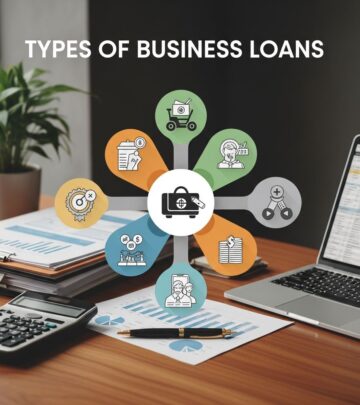
Several loan types suit startups, each with unique terms, uses, and eligibility. Here’s a breakdown:
- SBA Loans: Backed by the U.S. Small Business Administration, these include 7(a) loans (up to $5 million for general purposes), 504 loans (for real estate/equipment), and microloans (up to $50,000). They offer low rates (7-10%) and long terms (up to 25 years).
- Online Loans: Fast funding from fintech lenders like those via Fundera or Giggle Finance. Options include short-term loans, lines of credit, and merchant cash advances up to $500,000. Require 3+ months in business, 500+ credit, but higher rates (20-100%+).
- Equipment Financing: Loans secured by purchased equipment (e.g., machinery, vehicles). Amounts up to $10 million; equipment serves as collateral, easing approval for startups.
- Business Lines of Credit: Revolving credit up to approved limits, ideal for ongoing expenses. Draw as needed, pay interest only on used amounts.
- Microloans: SBA program via nonprofits; $500-$50,000 for startups, focusing on underserved communities.
| Loan Type | Max Amount | Min Credit Score | Best For |
|---|---|---|---|
| SBA 7(a) | $5M | 680 | General use |
| SBA Microloan | $50K | 620 | Small startups |
| Online Loan | $500K | 500 | Fast funding |
| Equipment Financing | $10M | 630 | Asset purchases |
This table summarizes key options based on lender data.
Eligibility Requirements for Startup Business Loans
Qualifying for startup loans hinges on personal and business factors since revenue is limited. Common criteria include:
- Personal Credit Score: Minimum 500-670; banks/SBA prefer 680+. Lower scores get approved by online lenders but at higher costs.
- Time in Business: 0-6 months for some online/SBA options; 2+ years for banks.
- Annual Revenue: $50,000+ preferred; some accept projections.
- Debt-to-Income Ratio: Low personal/business debt improves chances.
- Collateral: Often required; personal assets or business equipment. SBA waives for loans < $50K.
- U.S. Operations: For-profit, meeting SBA size standards, sound purpose.
Even bad credit startups may qualify via SBA or alternatives if they show repayment ability.
How to Qualify and Prepare for a Startup Business Loan
Boost approval odds by strengthening your profile:
- Build Credit: Aim for 670+ personal score; establish business credit early.
- Create a Solid Business Plan: Include market analysis, financial projections, funding needs (amount, use, terms).
- Gather Collateral: Offer assets to secure better rates/terms.
- Minimize Debt: Lower DTI ratio signals repayment capacity.
- Start Small: Use microloans or online options to build history.
Required Documents for Startup Business Loan Applications
Lenders request proof of legitimacy and viability. Prepare:
- Business plan with funding request and projections.
- EIN, formation docs, licenses.
- Personal/business tax returns, bank statements.
- Financials: Balance sheets, P&L, cash flow (if operating).
- Personal ID, credit reports.
- Collateral details, insurance proof.
- Debt schedule, invoices (if applicable).
Contact lenders beforehand for specifics.
Step-by-Step Guide: How to Get a Startup Business Loan
- Assess Needs: Calculate funding required and uses.
- Check Credit: Review personal/business scores; improve if needed.
- Research Lenders: Compare SBA, banks, online (e.g., Fundera partners).
- Build Business Plan: Detail strategy, projections, request.
- Gather Docs: Compile all required items.
- Apply: Submit to 3-5 lenders; expect 1-30 day processing.
- Negotiate Terms: Review rates, fees; shop around.
- Use Funds Wisely: Track spending per plan for future financing.
Pros and Cons of Startup Business Loans
| Pros | Cons |
|---|---|
| No equity dilution | Higher rates for startups |
| Builds business credit | Stringent personal guarantees |
| Flexible uses (SBA) | Collateral often required |
| Fast options available | Shorter terms |
Frequently Asked Questions
What credit score is needed for a startup business loan?
A score of 500+ qualifies for online lenders; 680+ for SBA/banks. Higher scores unlock better rates.
How much time in business is required?
0-6 months for many online/SBA; 2+ years for traditional banks.
What loan amounts are available?
$1,000 to $5.5M+; microloans start at $500.
Can startups with bad credit get loans?
Yes, via SBA or online lenders focusing on other factors like collateral.
What documents are needed?
Business plan, tax returns, bank statements, EIN, financials.
Alternatives to Startup Business Loans
If loans don’t fit, consider:
- Business Credit Cards: For small expenses; build credit.[10]
- Crowdfunding/Grants: Non-repayable via platforms or SBA.
- Bootstrapping/Investors: Self-fund or equity deals.
- Invoice Factoring: If invoicing clients.
Startup loans remain key for scalable growth.
References
- Startup Business Loans: Best Options and How to Get One — NerdWallet. 2024. https://www.nerdwallet.com/business/loans/learn/startup-business-loans
- Loans | U.S. Small Business Administration — SBA.gov. 2025-01-01. https://www.sba.gov/funding-programs/loans
- Resources for Obtaining a Business Loan — Florida Office of Financial Regulation. 2024. https://flofr.gov/education/entrepreneurial-and-investor-resources/entrepreneurial-resources/idea-phase/resources-for-obtaining-a-business-loan
- How To Get A Startup Business Loan — Bankrate. 2024. https://www.bankrate.com/loans/small-business/how-to-get-a-startup-business-loan/
- 6 Startup Loans for New Businesses — The Hartford. 2024. https://www.thehartford.com/business-insurance/strategy/business-loan/startup-loan-for-new-business
- Types of 7(a) loans — U.S. Small Business Administration. 2025-01-01. https://www.sba.gov/partners/lenders/7a-loan-program/types-7a-loans
Similar Articles








Read full bio of Sneha Tete