Start A Garden On The Cheap: 8 Budget Gardening Tips
Discover 8 practical tips to launch your dream vegetable garden without breaking the bank, from seeds to tools.
Dreaming of fresh homegrown vegetables but worried about the upfront costs? Starting a garden doesn’t have to drain your wallet. With smart strategies, you can set up a thriving vegetable patch using affordable or free resources. This guide covers
8 essential tips
to launch your garden on a budget, drawing from expert gardeners and proven methods to minimize expenses while maximizing yields and savings.According to the National Gardening Association, a small average garden plot can produce 300 pounds of fresh produce worth $600, with startup costs as low as $70—yielding a net savings of over $500. Real-world examples, like blogger Kristina Seleshanko’s gardens that saved her nearly $1,500 in one summer, show the potential return on investment. Whether you’re a beginner or reviving an old hobby, these tips ensure you grow your own food without overspending.
1. Start with Seeds Instead of Seedlings
The cheapest way to begin is by
starting from seeds
rather than buying mature plants. Seed packets cost just a few dollars and can produce dozens of plants. For instance, a $3.49 packet of wildflower seeds can fill an entire garden, and you can harvest seeds from mature plants for free replanting next year.Focus on high-yield, easy-to-grow varieties like cherry tomatoes, salad greens, green beans, and herbs—these are among the most cost-effective veggies. Native seeds from sources like Native American Seed adapt well to your climate, reducing failure rates. Indoors, use egg cartons or recycled containers as seed starters. Place them on a sunny windowsill or under affordable grow lights made from LED bulbs.
- Pro Tip: Soak seeds overnight in water to speed germination, saving time and boosting success rates.
- Savings: Seeds cost pennies per plant versus $5–$20 for seedlings.
2. Source Free or Cheap Tools
You don’t need expensive gadgets to dig in.
Borrow tools
from neighbors, friends, or community tool libraries—many cities offer free access. Alternatively, check freecycle groups, Craigslist free sections, or garage sales for gently used shovels, trowels, gloves, and hoes under $5.Repurpose household items: Use kitchen knives for pruning, old forks for weeding, and sturdy sticks as plant stakes. Gardener Scott demonstrates starting a full garden for under $50 using borrowed tools and free labor. Invest minimally in basics like pruning shears ($10) and gloves ($5) if needed.
| Tool | Budget Option | Cost |
|---|---|---|
| Shovel | Borrow or garage sale | $0–$10 |
| Trowel | Repurpose spoon | $0–$5 |
| Gloves | Old socks or cheap pair | $0–$5 |
| Watering Can | Recycled milk jug | $0 |
3. Use Free or Low-Cost Containers and Soil
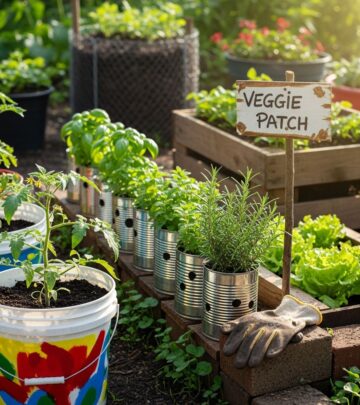
Skip pricey pots by using
free containers
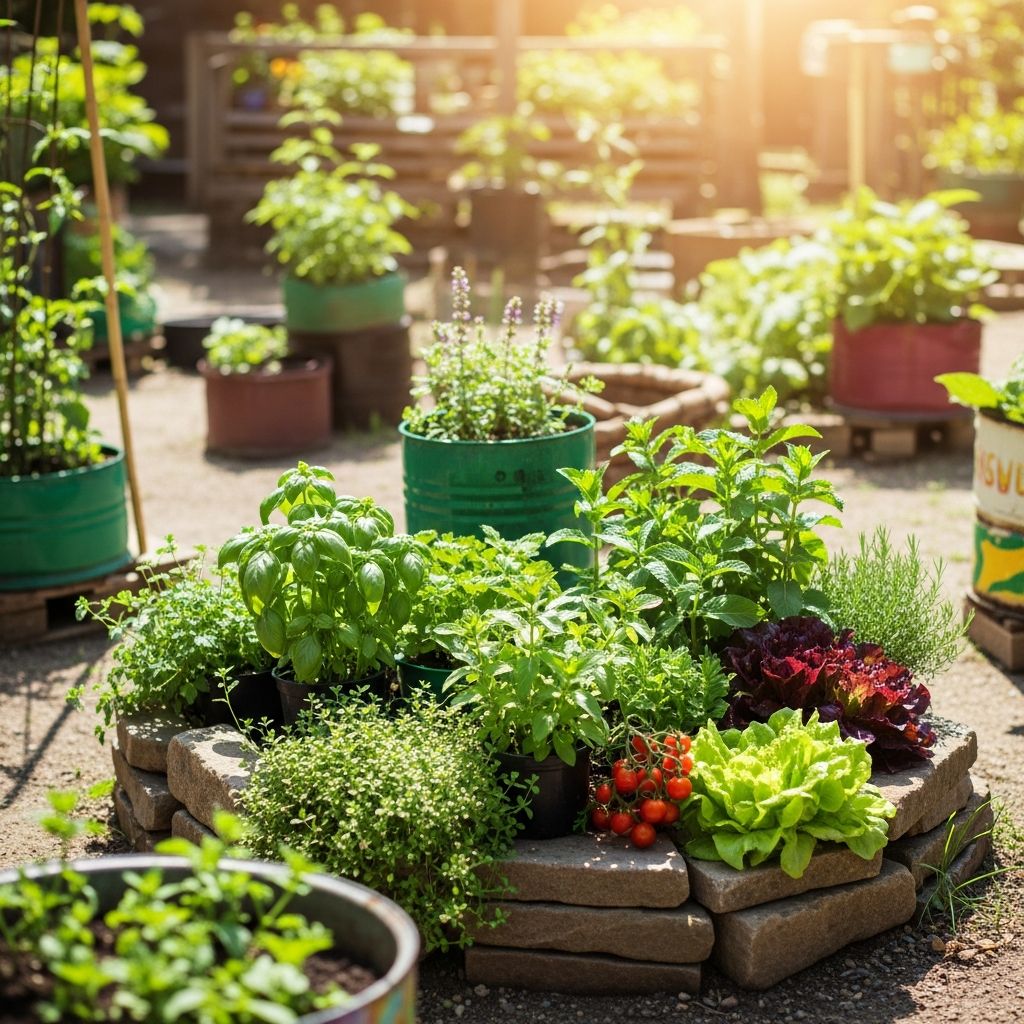
: Yogurt cups, milk jugs, or cardboard boxes with drainage holes work perfectly for seedlings and small plants. For soil, collect from your yard (amend with compost), trade with neighbors, or get free compost from municipal programs—many cities offer it for pickup.Avoid cheap garden dirt full of weeds and pests; opt for potting mix ($10/bag) only if necessary, or make your own with leaf mold and kitchen scraps. University extension offices provide free soil testing to ensure fertility without guesswork. Gardener Scott sources free soil from local piles, keeping costs near zero.
- Drill holes in bottoms for drainage to prevent root rot.
- Mulch with free grass clippings or leaves to retain moisture and suppress weeds.
4. Plant What You Eat and What’s Easy Locally
**Grow what you consume** to maximize savings. Review grocery receipts for frequent buys like tomatoes, herbs, lettuce, and beans. Herbs are a steal: $20 on plants yields summer-long supply versus $2–$5 weekly store prices. Choose climate-appropriate crops—green beans thrive in short seasons, while avoiding watermelons in cooler areas.
High-ROI picks include salad greens (harvest repeatedly), cherry tomatoes (prolific producers), and green beans (easy and abundant). Start small: A 12×14-foot plot saved one gardener $1,493.
5. Plan Your Space for Maximum Yield
Even tiny spaces produce big savings. The average U.S. garden is 600 sq ft, but patio pots or vertical setups work wonders.
Maximize vertical space
with trellises from sticks or string for climbers like beans and cucumbers.Interplant high-yield crops: Tomatoes, onions, leaf lettuce. Avoid space-hogs like pumpkins unless you have room. Track planting dates, yields, and successes in a notebook for future planning. Free charts from the National Gardening Association help calculate value per crop.
6. Leverage Free Local Resources and Expertise
Tap
free advice
from cooperative extension services, master gardener programs, or local universities—they offer soil tests, pest control tips, and plant swaps. Join community gardens, seed libraries, or Facebook groups for free seeds and cuttings. Garden clubs often host free plant giveaways.These resources ensure region-specific success, like drought-tolerant plants in dry areas or cold-hardy varieties up north.
7. DIY Everything: Mulch, Edging, and Upcycling
**Mulch cheaply** with free wood chips from arborists (via ChipDrop), grass clippings, or newspapers topped with leaves—saves water and weeds. Edge beds with rocks, bricks, or logs from your yard for a tidy look without cost.
Upcycle: Old wheelbarrows as planters, mason jars for herbs, stumps for birdbaths. Spray paint for aesthetics. Xeriscape accents with pebbles over landscape fabric ($30) add low-maintenance beauty.
8. Maintain and Harvest Smart to Save More
Weed and trim regularly for free curb appeal and health. Water efficiently with soaker hoses from recycled materials or rainwater barrels (DIY for $20). Harvest frequently to encourage production, and preserve extras by freezing or canning cheaply.
One small garden offsets $500+ in groceries annually. Scale up as you gain experience.
Frequently Asked Questions (FAQs)
What is the cheapest way to start a garden?
Begin with seeds ($3–$5 packets), free containers like milk jugs, borrowed tools, and yard soil or municipal compost. Total under $50 possible.
Which vegetables save the most money?
Cherry tomatoes, salad greens, green beans, and herbs—high yields, low space, frequent harvests.
Can I garden in small spaces or pots?
Yes! Use vertical trellises, pots, or windowsills for tomatoes, lettuce, herbs. Potting soil costs $10/bag.
How do I get free plants or seeds?
Seed libraries, plant swaps, extension offices, or collect from mature plants. Native seed companies offer affordable starters.
Does gardening really save money?
Absolutely—a $70 investment can yield $600 in produce, netting $530 savings.
References
- How a Backyard Garden Could Save You $500 on Groceries — The Penny Hoarder. N/A. https://www.thepennyhoarder.com/save-money/grow-your-own-food/
- 10 Budget Front Yard Landscaping Ideas — The Penny Hoarder. N/A. https://www.thepennyhoarder.com/budgeting/budget-front-yard-landscaping-ideas/
- Start a Garden on The Cheap With These 8 Budget Gardening Tips — The Penny Hoarder. N/A. https://www.thepennyhoarder.com/save-money/starting-a-garden-on-budget/
- Where To Buy Cheap Plants — Or Grow Your Own for Free — The Penny Hoarder. N/A. https://www.thepennyhoarder.com/save-money/cheap-plants/
- How to Garden for Less Than $50 — Gardener Scott (YouTube). 2021-12-30. https://www.youtube.com/watch?v=MrHYJ2iFodc
Similar Articles








Read full bio of Sneha Tete