Standard of Living: Definition, Measurement & Importance
Understanding standard of living: How it's measured, what factors matter, and why it matters for your life.
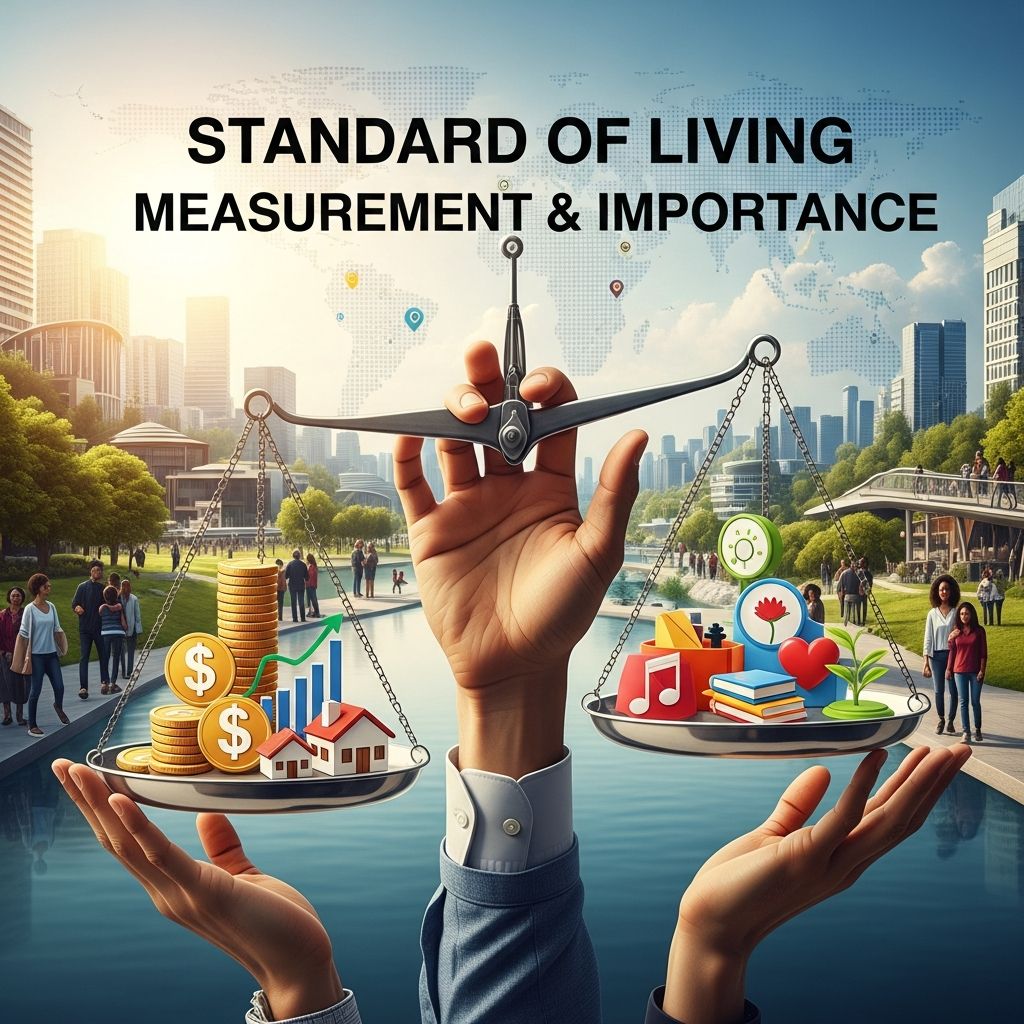
Understanding Standard of Living: A Comprehensive Guide
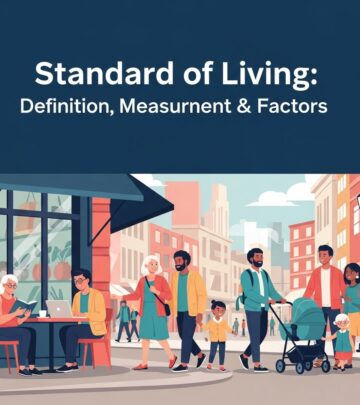
The standard of living represents the level of material comfort, income, and access to goods and services that individuals, families, or nations experience. Unlike quality of life, which is often subjective and focuses on personal satisfaction and contentment, standard of living is a more objective measurement rooted in quantifiable economic data. It serves as a critical indicator of how well people are living and provides insights into the economic health of communities and nations.
Standard of living varies dramatically across the globe, influenced by economic development, national policies, infrastructure, and available resources. Understanding this concept is essential for policymakers, economists, and individuals seeking to evaluate economic progress and make informed decisions about where to live or invest.
What Is Standard of Living?
Standard of living refers to the degree of wealth, comfort, and access to essential goods and services experienced by individuals or groups. It encompasses both basic necessities and luxury items, with the availability and quality of these goods and services directly reflecting the economic conditions of a region or country.
At its core, standard of living measures the ease by which people can satisfy their needs and wants. In less developed nations, this primarily focuses on access to food, clean water, sanitation, healthcare, and education. In contrast, developed countries evaluate standard of living more comprehensively, including factors such as homeownership, modern appliances, disposable income, and entertainment options.
The World Bank estimates that nearly 700 million people around the world, or approximately 8.5 percent of the global population, lived in extreme poverty—defined as living on less than $2.15 per day—in 2024. This stark statistic highlights the vast disparities in standard of living globally.
Standard of Living vs. Quality of Life: Understanding the Distinction
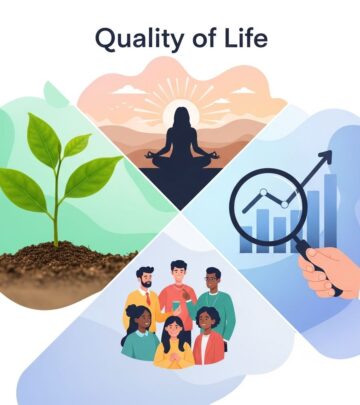
While standard of living and quality of life are often used interchangeably, they represent distinct concepts. Standard of living focuses on objective, measurable economic factors, while quality of life encompasses subjective elements related to personal satisfaction and well-being.
Standard of living primarily examines material conditions: income levels, housing quality, access to goods and services, and infrastructure. Quality of life, conversely, considers how satisfied individuals feel with their circumstances, including factors like personal relationships, environmental conditions, political freedom, and leisure opportunities.
A person living in a wealthy nation with high income (high standard of living) might experience lower quality of life if they work excessively, face social isolation, or live in an environmentally degraded area. Conversely, someone in a developing nation with a lower standard of living might report high quality of life due to strong community bonds and cultural fulfillment.
Key Factors That Define Standard of Living
Multiple factors contribute to and define an individual’s or nation’s standard of living:
Economic Indicators
Income levels, employment quality, and disposable income form the foundation of standard of living assessments. The ability to earn a stable income directly determines purchasing power and access to goods and services. Unemployment rates and wage growth also significantly impact standard of living across populations.
Housing and Shelter
Access to adequate housing, homeownership rates, housing affordability, and the quality of residential infrastructure are critical components. Housing costs relative to income determine how much families can spend on other necessities and luxuries. Modern utilities like indoor plumbing, heating, air conditioning, and electricity availability reflect living standards development.
Healthcare Access
The availability and quality of medical services, healthcare costs, life expectancy rates, and disease prevalence all influence standard of living. Populations with access to preventive care, modern treatments, and affordable medication experience higher standards of living compared to those with limited healthcare options.
Education and Literacy
Educational opportunities, school enrollment rates, adult literacy levels, and quality of educational institutions directly correlate with standard of living. Education enables individuals to secure better employment and earn higher incomes, creating a positive feedback loop for improved living standards.
Infrastructure and Utilities
Access to clean water, sanitation systems, electricity, transportation networks, and communication infrastructure significantly impacts standard of living. Regions lacking basic utilities experience substantially lower standards of living regardless of income levels.
Food Security and Nutrition
The availability, affordability, and nutritional quality of food determine whether basic survival needs are met. Food security—having consistent access to sufficient, safe, and nutritious food—is fundamental to standard of living in all nations.
Safety and Security
Crime rates, political stability, access to law enforcement, and national security all contribute to standard of living. Communities with low crime and stable institutions provide environments where residents can thrive economically and socially.
Environmental Quality
Air and water quality, environmental pollution, climate conditions, and access to natural spaces affect living standards. Regions with environmental degradation typically experience lower standards of living and greater health challenges.
Employment Opportunities and Working Conditions
The availability of quality jobs, working hours, job security, and workplace conditions influence standard of living. Populations with abundant employment opportunities and reasonable working conditions enjoy better standards of living.
How Standard of Living Is Measured
Economists and policymakers employ various methods and metrics to assess and compare standards of living:
Gross Domestic Product (GDP) Per Capita
GDP per capita, calculated by dividing a country’s total GDP by its population, remains one of the most commonly used indicators. This metric provides an average income per person, offering a snapshot of economic productivity distributed across the population. However, it doesn’t account for income inequality or non-material factors.
Gross National Income (GNI) Per Capita
The World Bank often employs GNI per capita, which measures the average per-person income that a country’s total population receives annually. This metric includes income from abroad and provides a comprehensive view of national wealth available to residents.
Real GDP Adjusted for Inflation
Standard of living is generally measured by average real GDP per capita—inflation-adjusted GDP divided by the population. This adjustment accounts for price changes over time, allowing meaningful comparisons across years and preventing inflation from distorting the analysis.
Human Development Index (HDI)
The United Nations developed the HDI as a composite indicator combining three dimensions: life expectancy at birth, education levels (school enrollment and adult literacy), and standard of living measured through a variation of GDP per capita. This multifaceted approach captures standard of living more comprehensively than GDP alone.
Additional Measurement Factors
Beyond primary economic indicators, analysts consider:
- Average household income and consumer spending patterns
- Housing prices and affordability ratios
- Poverty rates and income inequality measures
- Inflation rates and cost of goods and services
- Life expectancy and health indicators
- Educational attainment and literacy rates
- Access to and quality of healthcare services
- Infrastructure development and quality
- Access to public transportation and vehicles per capita
- Leisure time availability and recreation opportunities
- Environmental quality and pollution levels
- Crime rates and personal safety metrics
Standard of Living Across Different Development Levels
Least Developed Countries
The United Nations identifies 45 least-developed countries where standard of living focuses primarily on survival essentials. For residents of these nations, acceptable standard of living centers on access to food, clean water, proper sanitation, healthcare, and basic education. Most citizens in these regions live on less than $2.15 per day, making infrastructure development and humanitarian assistance critical for improving living standards.
Developing Nations
As nations develop economically, standard of living measurements expand beyond basic survival needs. Developing countries begin assessing standards of living through factors like improved housing, electrical access, transportation options, and growing employment opportunities. Income growth and economic diversification gradually increase citizens’ purchasing power and access to services.
Developed Countries
Wealthy, developed nations evaluate standard of living comprehensively, including homeownership rates, vehicle ownership, access to modern appliances, disposable income, healthcare quality, educational opportunities, and entertainment options. Citizens in these countries typically have greater choices regarding consumption patterns and lifestyle options. The focus extends beyond necessities to include quality, convenience, and personal preferences in goods and services.
Factors Specific to Developed Economies
In developed countries, standard of living assessment includes:
- Number of households with indoor plumbing and modern sanitation
- Heating and air conditioning availability and quality
- Ownership of appliances such as refrigerators, washing machines, and dishwashers
- Telephone and internet access for communication
- Number of vehicles available for household use
- Availability of disposable income for discretionary spending
- Access to entertainment, dining, and leisure activities
- Quality of neighborhoods and community amenities
The Role of Public Services in Standard of Living
Standard of living accounts for both privately owned items and public infrastructure and services. Government-provided services significantly impact overall living standards:
- Public education systems and school quality
- Law enforcement and criminal justice systems
- National security and military protection
- Public health services and disease prevention programs
- Transportation infrastructure and public transit systems
- Utilities regulation and access to electricity and water
- Social safety nets and welfare programs
- Environmental protection and conservation efforts
Why Standard of Living Matters
Understanding standard of living is crucial for multiple reasons:
Policy Development
Governments use standard of living metrics to evaluate the effectiveness of economic policies and allocate resources appropriately. Improving standard of living becomes a primary policy objective for most nations.
International Comparisons
Standard of living measurements enable meaningful comparisons between countries and regions, highlighting economic disparities and guiding international development aid and cooperation efforts.
Personal Decision-Making
Individuals use standard of living assessments when deciding where to live, work, or invest. Comparing standards of living helps people evaluate economic opportunities in different locations.
Economic Health Indicator
Rising standard of living reflects positive economic growth and development, while declining standards signal economic challenges requiring intervention and policy adjustments.
Poverty Reduction Focus
Standard of living metrics help identify populations in poverty and extreme poverty, directing resources toward those most in need of assistance and infrastructure development.
Frequently Asked Questions
Q: How does standard of living differ from income?
A: While related, standard of living encompasses more than income alone. It includes access to goods, services, healthcare, education, and infrastructure—all factors that income enables but doesn’t fully capture. Two people earning identical incomes might experience different standards of living based on local prices, available services, and quality of life factors.
Q: Can a country have high GDP but low standard of living?
A: Yes, absolutely. Countries with significant economic output might experience low average standard of living if wealth is highly concentrated among a small population, if infrastructure is inadequate, or if public services are poor. GDP per capita averages mask income inequality and distribution issues.
Q: Which countries have the highest standard of living?
A: Nordic countries like Norway, Denmark, and Sweden consistently rank highest in standard of living due to high GDP per capita, universal healthcare, quality education, strong social safety nets, and excellent infrastructure. Other highly-ranked nations include Switzerland, Australia, and Canada.
Q: How can developing countries improve their standard of living?
A: Developing nations can improve standard of living through education investment, infrastructure development, healthcare expansion, economic diversification, job creation, poverty reduction programs, and good governance. Sustained economic growth combined with equitable distribution of resources proves most effective.
Q: What is “decent living standard”?
A: The decent living standard (DLS) concept revolves around the principle that populations deserve basic necessities for survival and dignity: shelter, food, water, healthcare, and education. It represents a minimum threshold below which people cannot adequately meet their needs and contribute to society.
Q: How does inflation affect standard of living?
A: Inflation erodes purchasing power, reducing what income can buy. If wages don’t rise with inflation, standard of living effectively declines. Real income (adjusted for inflation) provides a more accurate picture of standard of living changes than nominal income figures.
Q: Can standard of living improve without economic growth?
A: Limited improvements are possible through better resource distribution and policy changes, but sustained standard of living improvements typically require economic growth. Growth generates resources for investment in education, infrastructure, and services that elevate living standards broadly.
References
- Standard of Living — World Bank. 2024. https://www.worldbank.org/en/topic/poverty
- Human Development Report — United Nations Development Programme. 2024. https://hdr.undp.org/
- How Do We Measure Standard of Living? — Federal Reserve Bank of Boston. 2003. https://www.bostonfed.org
- Poverty and Shared Prosperity Report — World Bank Group. 2024. https://www.worldbank.org/en/publication/poverty-and-shared-prosperity
- Standard of Living Definition and Measurement — International Labour Organization. 2024. https://www.ilo.org
Similar Articles








Read full bio of Sneha Tete