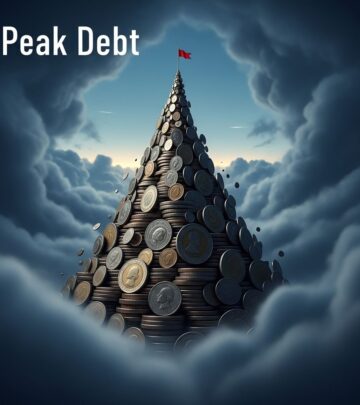
Debt Ceiling Stalemate: 5 Ways To Protect Your Money
Understanding the U.S. debt ceiling crisis, its risks to everyday Americans, and practical steps to protect your finances amid political gridlock.

The U.S. debt ceiling represents the maximum amount the federal government can borrow to meet its obligations. When Congress fails to raise it, a dangerous stalemate ensues, threatening payments for everything from Social Security to interest on Treasury bonds. This article demystifies the crisis, drawing from historical near-misses and expert analysis to explain impacts on everyday Americans and offers practical strategies to navigate uncertainty.
What Is the Debt Ceiling?
The debt ceiling is a statutory limit set by Congress on the total amount of debt the U.S. Treasury can issue. Enacted in 1917, it caps borrowing to fund expenditures already approved in budgets. Unlike household debt limits, it doesn’t authorize new spending—it’s about paying for prior commitments like veterans’ benefits, Medicare, and loan interest.
Think of it like a credit card limit: once maxed out, you can’t borrow more, even if bills are due. As of recent estimates, Treasury’s cash reserves and extraordinary measures (like suspending certain investments) buy time—potentially until early summer or fall—but the ‘X-date’ looms when inflows can’t cover outflows.
- Key Fact: Raising the debt limit has happened 78 times since 1960, under both parties, without approving new debt.
- Current Context: Political divisions often delay action, echoing 2011 when brinkmanship cost $1.3 billion in higher borrowing expenses per GAO estimates.
Why the Stalemate Happens
Stalemates arise from partisan disagreements over spending cuts, tax reforms, or fiscal policy. Hard-line factions demand concessions before approving increases, viewing the ceiling as leverage for balanced budgets. Critics argue it’s theater, as failure risks default—a first in U.S. history.
Reporter Shibani Joshi likened it to Americans maxing credit cards for unaffordable homes, magnifying personal recessions nationally. Government spending exceeds revenues, relying on borrowing; unresolved, it halts payments.
| Year | Event | Outcome | Economic Cost |
|---|---|---|---|
| 2011 | Near-default | Ceiling raised after downgrade | $1.3B higher costs (GAO) |
| 2021 | Impasse threat | Resolved narrowly | Potential 5M job losses (Moody’s) |
| 2023 est. | X-date uncertainty | Ongoing risk | Recession trigger possible |
What Happens If We Hit the Limit?
No more borrowing post-deadline means prioritizing payments from daily tax revenues—about 75% of obligations. Treasury would likely pay bond interest first to avoid default, delaying Social Security, Medicare, veterans’ benefits, and contractor invoices.
Joshi notes cash flows continue briefly post-August 2 (in past contexts), but prolonged delay slashes non-interest spending by 25%. If Social Security is prioritized too, other cuts hit 33%, sparking recession amid slow growth.
- Payment Prioritization Issues: Legal chaos; courts can’t resolve contradictory laws mandating payments, debt honoring, and limit adherence.
- Market Panic: 2011 saw Dow drops of 500+ points; yields rose 4-8 basis points from contagion fears.
Effects on Everyday Americans
Investments tank first: retirement (401ks, IRAs), college funds tied to stocks suffer. Retirees and families reliant on government checks—Social Security, Medicaid—face cash crunches, mirroring personal defaults.
Global ripple: U.S. default erodes trust in Treasuries, hiking worldwide borrowing costs. Social Security isn’t a ‘leak’—it’s a lender via surpluses borrowed by government, underscoring interlinked programs.
“That is your money in retirement funds, college funds, and more.” — Shibani Joshi, FOX Business
Workarounds like ‘platinum coin’ or selective payments carry legal risks and don’t sustain; abolition or routine raises are urged by experts.
Your Investments at Risk
Stock volatility spikes: 2011 delays correlated with market plunges. Bond yields climb as investors demand premiums for risk, eroding fixed-income portfolios. Everyday folks see 401(k)s shrink, delaying retirements.
- Diversify: Shift toward stable assets like short-term Treasuries (ironically safer short-term).
- Monitor: Track X-date updates from Treasury.gov.
- Cash Buffer: Build 6-12 months expenses to weather volatility.
Government Payments in Jeopardy
40 million+ Social Security recipients, millions on Medicare/Medicaid, veterans—delays mean missed checks. Contractors halt work; agencies furlough. Tax refunds pause, hitting seasonal filers.
In a bind, Treasury rations: full daily payments or nothing, avoiding ‘picking winners.’ This protracts pain, dampens revenues, worsens spirals.
Broader Economic Fallout
Default triggers recession: Moody’s 2021 model predicted 4% GDP drop, 5M jobs lost. Yields surge, credit freezes, global contagion hits trade partners.
U.S. leadership falters; as financial anchor, default ripples to emerging markets, pensions worldwide.
Contingency Plans Explored
Treasury maneuvers: suspend retiree funds, delay agency contributions—buys weeks/months. But X-date variability (tax timing) demands urgency.
- Not Default Yet: Cash inflows persist; August deadlines flexible short-term.
- Long-Term: Needs spending reform, entitlement fixes, tax code overhaul.
What You Can Do Right Now
Don’t panic—history shows resolutions. But prepare:
- Don’t Panic: Lawmakers have time; markets overreact initially.
- Get Educated: Read Treasury reports, Brookings analyses for facts.
- Review Investments: Rebalance portfolios; avoid knee-jerk sells.
- Build Emergency Fund: 3-6 months in high-yield savings.
- Be Open to Change: Advocate balanced budgets; personal finance mirrors national—live within means.
Frequently Asked Questions (FAQs)
What is the debt ceiling in simple terms?
It’s a legal cap on U.S. borrowing to pay approved bills, not new spending. Hitting it stops new debt issuance.
Will Social Security checks stop?
Possibly delayed if prioritized below interest payments; 25-33% cuts to other outlays likely.
Has the U.S. ever defaulted?
No, but 2011 near-miss cost billions; consequences untested but severe per simulations.
How does this affect my 401(k)?
Markets drop on uncertainty; Dow fell 500 points in past crisis. Diversify to mitigate.
What’s the solution?
Congress raises/suspends limit; experts recommend abolition to end recurring crises.
Stay informed via official channels. Personal resilience—emergency funds, diversification—buffers systemic shocks.
References
- The Debt Ceiling Crisis in Everyday English — Wise Bread (via FOX Business insights). 2011-08. https://www.wisebread.com/the-debt-ceiling-crisis-in-everyday-english
- How Worried Should We Be If the Debt Ceiling Isn’t Lifted? — Brookings Institution. 2023-05-18. https://www.brookings.edu/articles/how-worried-should-we-be-if-the-debt-ceiling-isnt-lifted/
- Federal Debt Limit Implications — U.S. Department of the Treasury. 2023-05 (ongoing updates). https://home.treasury.gov/policy-issues/financial-markets-financial-institutions-and-fiscal-service/debt-limit
- Debt Ceiling: What Happens If It Isn’t Raised? — Congressional Budget Office. 2023-04. https://www.cbo.gov/publication/59144
- 2011 Debt Limit Crisis Costs — U.S. Government Accountability Office (GAO). 2012-03. https://www.gao.gov/assets/gao-12-701.pdf
Similar Articles








Read full bio of Sneha Tete