Staggered Wheels: Ideal for Your Vehicle?
Explore the performance gains, handling changes, and practical drawbacks of staggered wheel setups to decide if they suit your driving needs and car type.
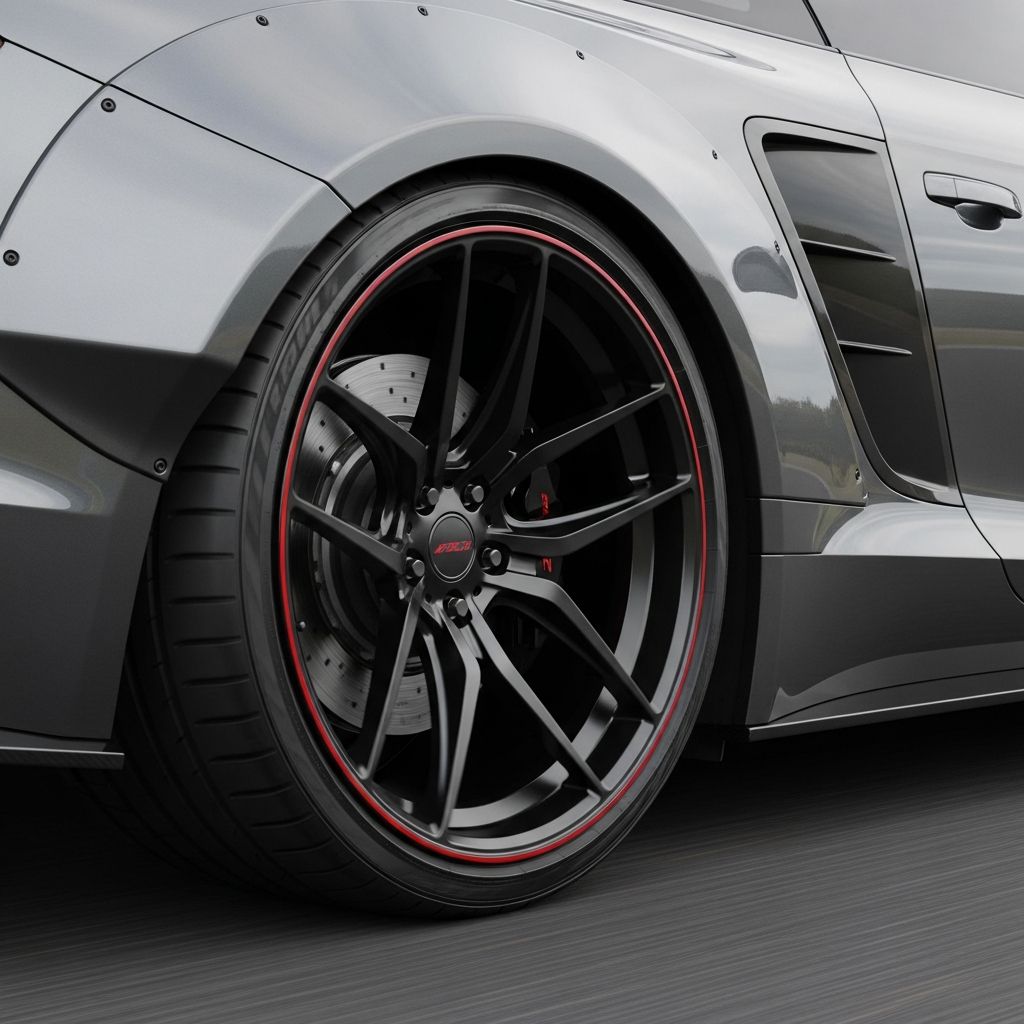
Staggered wheels feature wider tires on the rear axle compared to the front, primarily designed to optimize traction in rear-wheel-drive (RWD) vehicles. This setup enhances acceleration and stability but introduces maintenance complexities that may not suit every driver or car type.
Understanding Staggered Wheel Configurations
Staggered fitment refers to installing wheels and tires of different widths or diameters on the front and rear axles, typically with larger rears on performance-oriented cars. Manufacturers like BMW and Toyota often equip high-performance models such as M series or GR Supras with this arrangement from the factory to match the vehicle’s power delivery dynamics.
The core idea is to maximize the contact patch—the area where the tire meets the road—on the drive wheels. For RWD cars, wider rear tires provide superior grip during acceleration, reducing wheel spin under hard launches. Front tires, focused on steering and initial braking, remain narrower to minimize weight and improve responsiveness.
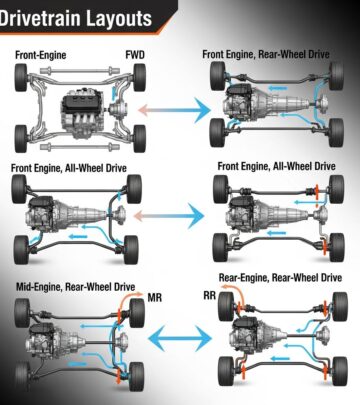
In all-wheel-drive (AWD) systems like those in Nissan GT-R or Audi R8, staggered setups still prioritize rear bias, though power distribution varies. This configuration alters weight distribution slightly, potentially lowering the center of gravity and aiding aerodynamics by tilting the car forward.
Performance Enhancements from Staggered Setups
Owners of sporty vehicles choose staggered wheels for tangible dynamic improvements. Key benefits include:
- Superior Acceleration Grip: Wider rear tires increase the contact patch, delivering better traction for quicker launches, especially in high-horsepower RWD cars.
- Improved Cornering Stability: The setup promotes predictable understeer, allowing drivers to push through turns confidently without sudden oversteer.
- Enhanced Braking and Handling: Larger rear contact areas contribute to overall grip during deceleration and balanced weight transfer.
- Aggressive Aesthetics: The muscular stance with flushed rear wheels appeals to enthusiasts seeking a sportier look.
Factory implementations on vehicles like Dodge Scat Packs demonstrate these advantages in real-world track and street use. For drag-focused builds, narrow fronts paired with extra-wide rears minimize rolling resistance upfront while maximizing power application at the back.
Potential Drawbacks and Limitations
Despite the upsides, staggered wheels present notable challenges that can impact long-term ownership.
| Aspect | Staggered Setup | Square Setup (All Tires Same Size) |
|---|---|---|
| Traction | Excellent rear acceleration grip | Balanced but less rear-focused |
| Handling | Predictable understeer | Neutral, no surprises |
| Tire Rotation | Axle-only (front-to-front, rear-to-rear) | Full rotation possible for even wear |
| Cost | Higher due to mismatched sizes and maintenance | Lower with uniform replacements |
| Warranty | Often voids manufacturer coverage | Maintained |
Uneven tire wear accelerates replacement needs, as fronts handle steering duties and degrade faster than rears under power. Rotation is restricted to side-to-side per axle, limiting lifespan extension compared to square setups.
Additional weight from larger rear components raises unsprung mass, potentially harming ride quality and fuel efficiency. In low-power vehicles, extra width may increase drag without proportional grip gains. Snowy conditions exacerbate risks, as mismatched sizes reduce all-season versatility.
Vehicle Compatibility: When Staggered Works Best
Not all cars benefit equally. RWD sports cars with ample torque thrive, retaining factory handling traits during upgrades. AWD RWD-biased models can adapt, but front-wheel-drive (FWD) vehicles suffer: power goes to fronts, so wide rears add weight and induce understeer without gains.
Modifying non-staggered cars demands suspension tweaks, brake upgrades, or aero additions to counter shifts in dynamics. High-power setups might require spoilers to manage lift from altered profiles. Always verify fitment specs to avoid drivetrain stress or safety issues.
Maintenance and Cost Implications
Staggered ownership demands diligent care. Frequent front tire rotations prevent premature wear, while rears may need balancing amid torque loads. Budget for dual tire sets, as sizes differ—often pricier rears strain wallets.
Warranty concerns loom large; alterations count as modifications, potentially nullifying coverage on new vehicles. Long-term, square setups save via uniform wear and simpler servicing. For daily drivers, square often proves more practical despite modest traction trade-offs.
Comparing Square vs. Staggered: A Driver’s Guide
Square fitment—identical wheels all around—offers neutrality ideal for everyday use. It enables full rotations, uniform wear, and warranty preservation. Drawbacks include reduced peak traction and less visual flair.
- Choose Square If: Daily commuting, FWD/AWD balance, cost control, or snow driving dominate.
- Opt for Staggered If: Track days, drag racing, RWD power, or style matter most.
Hybrid approaches exist, like mildly staggered sizes for compromise, but purity suits dedicated performance.
Frequently Asked Questions
Are staggered wheels safe for street driving?
Yes, on compatible RWD cars with proper setup, but avoid in snow and ensure alignments to prevent uneven wear.
Do staggered wheels improve fuel economy?
Typically no; added rear width increases rolling resistance despite lighter fronts.
Can I switch from square to staggered?
Possible on RWD platforms with modifications, but check warranty and dynamics.
How often to rotate staggered tires?
Every 5,000-8,000 miles, side-to-side per axle only.
Best tires for staggered setups?
Performance summer compounds for grip; match OEM specs for balance.
Real-World Applications and Expert Insights
Enthusiasts report transformative launches in modified Mustangs or Corvettes, where rear grip unlocks potential. Daily drivers note visual upgrades without daily compromises if roads stay dry. Test drives reveal nuanced feel—staggered sharpens exits, square smooths commutes.
Consult specialists for custom fits; improper installs risk components. Future trends lean toward lightweight alloys optimizing both worlds.
References
- Everything You Need to Know About Staggered Fitment — Three Piece. 2023. https://www.threepiece.us/blog/everything-you-need-to-know-about-staggered-fitment/
- Staggered VS. Square Tire Set-Up — Performance Auto Specialists. 2024-05-15. https://performanceautospecialists.com/staggered-vs-square-tire-set-up/
- Staggered Fitment Pros and Cons — Discount Tire. 2023-11-20. https://www.discounttire.com/blog/staggered-fitment-pros-cons
- Tech Convo: Square vs. Staggered Wheel Setups — Apex Wheels. 2022. https://apexwheels.com/blog/technical-discussion/tech-article-square-vs-staggered-wheel-setups
- Staggered or Square: The Pros and Cons of Running Different Sized Tires Front and Rear — DrivingLine. 2023-08-10. https://www.drivingline.com/articles/staggered-or-square-the-pros-and-cons-of-running-different-sized-tires-front-and-rear/
Similar Articles








Read full bio of medha deb