Responding to Social Security Number Activity Alerts
Learn how to respond effectively when you receive unexpected SSN activity notifications.
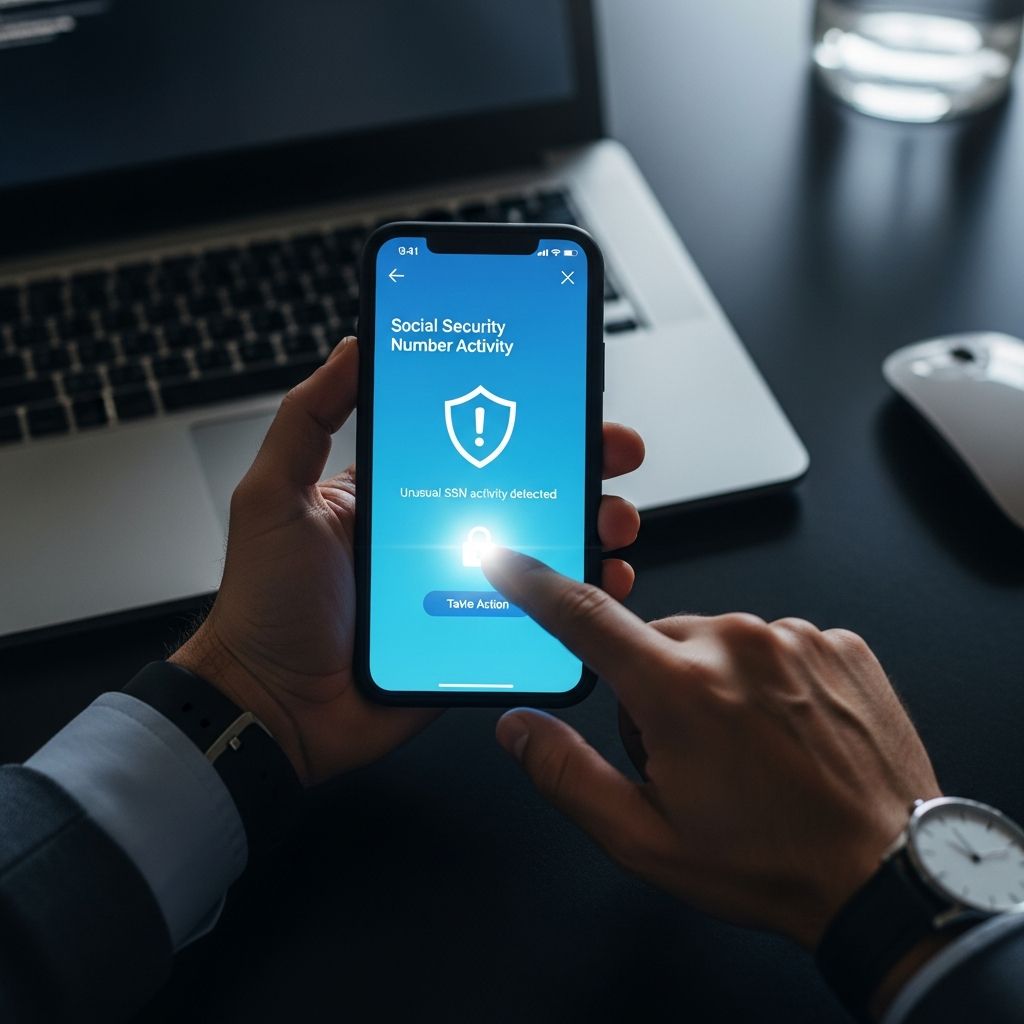
Receiving a notification about unexpected activity linked to your social security number can be unsettling and raises immediate concerns about your financial security and personal identity. These alerts serve as an early warning system, but understanding what they mean and how to respond appropriately is essential for protecting yourself from identity theft and financial fraud. The following guide provides you with comprehensive information about interpreting these alerts and taking the right steps to safeguard your personal information.
What Social Security Number Activity Alerts Represent
An SSN activity alert is typically a notification from a financial institution, credit bureau, or government agency indicating that something unusual has occurred involving your social security number. These alerts may originate from various sources, including your bank, credit card company, the Social Security Administration, or the Internal Revenue Service. The purpose of such an alert is to inform you that activity has been detected that may warrant your attention and investigation.
These notifications can indicate several different scenarios. In some cases, the activity might be legitimate and simply something you overlooked or forgot about. In other instances, the alert might signal unauthorized use of your SSN by someone attempting to open accounts, apply for credit, or use your identity for employment purposes. The key is to take the alert seriously and investigate promptly rather than dismissing it or ignoring it entirely.
Distinguishing Between Legitimate Alerts and Scams
One of the most critical skills you can develop is the ability to distinguish between genuine notifications and fraudulent scams designed to trick you into revealing personal information. Scammers often use tactics that create a sense of urgency and fear, pressuring you to act quickly without thinking carefully about what they’re asking you to do.
Common characteristics of fraudulent communications include:
- Unsolicited calls or messages claiming your account has been suspended or locked
- Requests to confirm or verify your social security number over the phone or through email
- Threats about bank account seizure or legal action
- Pressure to take immediate action, such as moving money to gift cards
- Caller ID that may appear to show official government phone numbers (which can be spoofed)
Legitimate government agencies and financial institutions typically follow specific procedures when contacting you about account issues. The Social Security Administration generally contacts people by mail if there is a problem with their social security number or record. They ordinarily call only those who have recently applied for benefits, are currently receiving payments and need to update their record, or have specifically requested a phone call from the agency.
If you receive an unexpected call claiming to be from the Social Security Administration, you should never provide personal information to the caller. Instead, hang up and contact the SSA directly using the official phone number (1-800-772-1213) found on the Social Security website to verify whether the agency actually tried to reach you.
Steps to Verify Suspicious Activity Claims
When you receive an alert about SSN activity, your first response should be to verify the legitimacy of the notification through official channels. This protects you from inadvertently following instructions from scammers while ensuring you take appropriate action if the alert is genuine.
Follow this verification process:
- Do not respond to the initial alert if it came through email, phone, or text message
- Contact the organization directly using a phone number or website you know is legitimate (not any contact information provided in the alert)
- Verify that the alert was actually sent by that organization
- Ask specific questions about what activity triggered the alert
- Request documentation of the suspicious activity if applicable
When contacting your bank or financial institution, have your account information readily available, and be prepared to answer security questions to verify your identity. This verification process is a standard security measure designed to protect your account.
Checking Your Credit Report for Unauthorized Activity
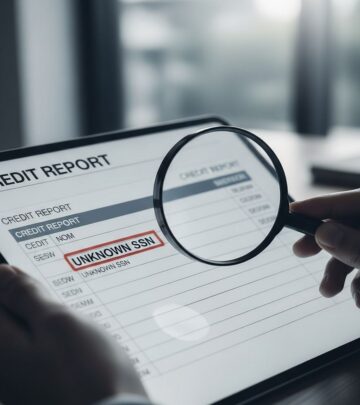
One of the most effective ways to determine whether your SSN has been fraudulently used is to review your credit report carefully. Your credit report contains a comprehensive record of all credit accounts in your name, and unauthorized accounts will appear here.
Key indicators of fraudulent SSN misuse on your credit report include:
- Unfamiliar credit accounts you did not open
- Unexpected collection notices for accounts you don’t recognize
- Inquiries from companies you never applied to
- Incorrect personal information such as addresses you don’t recognize
- Multiple new accounts opened in a short period
You can obtain free credit reports from each of the three major credit bureaus (Equifax, Experian, and TransUnion) annually through AnnualCreditReport.com. Reviewing all three reports is important because not all creditors report to every bureau, so fraudulent accounts might appear on one report but not others.
As you review your credit report, pay special attention to recent inquiries and new accounts. Small unauthorized transactions may also appear, as criminals sometimes make test purchases to verify whether they can use stolen SSN information for larger fraudulent transactions.
Monitoring Your Financial Accounts and Bank Statements
Beyond your credit report, you should regularly monitor your actual bank accounts and financial statements for suspicious activity. Criminals may attempt to make unauthorized withdrawals, transfer funds, or make fraudulent charges before using your identity for larger credit fraud.
Set up transaction alerts with your bank and credit card companies to notify you immediately of unusual activity. Many financial institutions now offer the ability to receive notifications for transactions above a certain amount or at unusual times. Some also allow you to flag certain types of transactions, such as international purchases or large transfers.
Review your statements for:
- Small, unauthorized transactions that could indicate testing
- Withdrawals or transfers you don’t recognize
- Unusual merchant names or locations
- Currency exchanges or foreign charges
- Changes to account information or linked devices
If you notice suspicious activity, contact your financial institution immediately to report fraud and request account monitoring or closure as necessary.
Addressing Tax-Related SSN Misuse
If your SSN has been used for employment purposes without your knowledge, the Internal Revenue Service will typically notify you through a CP01E notice. This notice indicates that income was reported to the IRS under your SSN by someone else. The IRS recommends that even though there may be no immediate impact to your tax return or refund, you should take steps to protect your credit and financial accounts because the misuse creates risk of additional identity theft.
If you receive such a notice, you don’t need to take immediate action regarding your taxes, but you should investigate the source of the unauthorized income report. You may also want to check your Social Security Statement at ssa.gov/myaccount/ to see if income has been credited to your record that you did not earn. This information could be relevant to your Social Security benefits in the future.
Implementing Credit Protection Measures
Once you’ve verified that unauthorized activity has occurred, you should implement additional protections to prevent further fraud. Credit protection tools create barriers that make it more difficult for criminals to use your SSN to open new accounts.
Available protection options include:
| Protection Type | Duration | Requirements | Best For |
|---|---|---|---|
| Temporary Fraud Alert | 1 year | No documentation required | Initial response to suspected fraud |
| Extended Fraud Alert | 7 years | FTC identity theft report or police report | Confirmed identity theft cases |
| Credit Freeze | Indefinite | Available to anyone, anytime | Preventing new account fraud |
| Active Duty Alert | 2 years | Current military service | Protecting active servicemembers |
A temporary fraud alert is the quickest response option and requires only that you confirm your identity with the credit bureaus. This alert tells businesses that you are a victim of identity theft and that they should verify the identity of anyone attempting to open credit in your name. It remains in place for one year unless you remove it earlier.
An extended fraud alert provides stronger protection for seven years but requires documentation such as a police report or an FTC identity theft report filed at IdentityTheft.gov. This alert requires businesses to take additional steps to verify your identity before opening new accounts.
A credit freeze is the most comprehensive protection available and prevents all access to your credit file unless you explicitly allow it. Anyone can place a credit freeze at any time for any reason, even if their identity hasn’t been stolen. This is particularly important if you’ve experienced a data breach or confirmed fraudulent activity.
When to Consider a New Social Security Number
In extreme cases of identity theft where fraud continues despite other protective measures, the Social Security Administration may issue you a new social security number. This should be considered a last resort because changing your SSN creates complications with background checks, employment records, and benefit accounts.
Before pursuing a new number, exhaust other protective measures first. If you do receive a new SSN, you’ll need to update your employer, financial institutions, and government agencies to ensure income is properly reported under your new number. The old number remains connected to the new one in SSA records, which means background checks may reveal both numbers and could prompt additional questions.
Frequently Asked Questions About SSN Activity Alerts
What should I do if I can’t reach my bank to verify an alert?
If you cannot immediately reach your financial institution, place a temporary fraud alert with the credit bureaus as a precautionary measure. Then try contacting your bank during business hours. If you discover that the alert was fraudulent, you can have the fraud alert removed.
How long does a fraud alert stay on my credit report?
A temporary fraud alert remains for one year, while an extended fraud alert lasts seven years. You can remove either type of alert at any time by contacting the credit bureaus, though removal of an extended alert requires verification of your identity by all three bureaus.
Will a credit freeze affect my ability to get credit?
A credit freeze will prevent businesses from accessing your credit file when you apply for new credit. When you want to apply for credit, you can temporarily lift the freeze, allow the application to be processed, and then reinstate it. This is a temporary inconvenience that prevents much larger problems caused by fraud.
Can I get a new social security number immediately?
No, the Social Security Administration issues new numbers only in severe cases of identity theft and typically after other protective measures have proven insufficient. The process requires an application and verification of identity.
Long-Term Strategies for SSN Protection
Beyond responding to alerts and addressing fraud that has occurred, you should implement long-term strategies to protect your social security number from future misuse. This includes being cautious about who you provide your SSN to, protecting physical documents containing your number, and staying alert for signs of fraud.
Consider using identity theft protection services that provide credit monitoring and real-time alerts when your SSN is used to apply for credit or when changes occur to your credit report. These services are invaluable for catching misuse early and taking swift action to protect your identity.
Regularly review your credit reports, check your Social Security Statement for income you didn’t earn, and monitor your financial accounts. By staying vigilant and recognizing warning signs early, you can minimize the impact of any fraudulent activity and maintain better control over your personal information.
References
- Social Security Scam Alert — Health & Human Services Agency. https://tchhsa.org/eng/agency-news/social-security-scam-alert
- Credit Freezes and Fraud Alerts — Federal Trade Commission. https://consumer.ftc.gov/articles/credit-freezes-and-fraud-alerts
- What to do if your Social Security Number (SSN) is exposed — Microsoft Support. https://support.microsoft.com/en-us/topic/what-to-do-if-your-social-security-number-ssn-is-exposed-b08d677f-471d-41be-ac9b-f9f7109f7643
- Protect Yourself from Social Security Scams — Social Security Administration. https://www.ssa.gov/scam/
- Understanding your CP01E notice — Internal Revenue Service. https://www.irs.gov/individuals/understanding-your-cp01e-notice
- How to Verify if Your Social Security Number is Being Misused — Experience HFS. https://experiencehfs.com/how-to-verify-if-your-social-security-number-is-being-misused
Similar Articles








Read full bio of Sneha Tete