Spring Car Care Tips: 10 Essential Checks For 2025
Essential spring car maintenance tips to save money, ensure safety, and get your vehicle road-ready after winter.
Winter’s harsh conditions—salt, cold, and potholes—can wreak havoc on your vehicle. As spring arrives, proactive maintenance not only enhances safety and performance but also saves money by preventing breakdowns and improving fuel economy. This comprehensive guide covers essential checks and tips, drawing from expert recommendations to keep your car running smoothly without breaking the bank.
Why Spring Car Maintenance Matters
Spring transitions bring warmer temperatures, more road trips, and increased rain, stressing components weakened by winter. Regular checks can extend your vehicle’s life, boost MPG by up to 10% via clean filters, and avoid towing fees that average $100+. DIY tasks like fluid top-offs cost pennies compared to professional repairs. Start with a full wash to remove corrosive salt, then tackle these key areas.
1. Test and Inspect Your Car Battery
Cold weather strains batteries, reducing capacity by up to 50% in winter. Spring heat accelerates corrosion, so test now—batteries last 3-5 years on average.
- Visual Check: Inspect terminals for white, powdery corrosion. Clean with baking soda and water, then rinse and dry. Ensure cables are tight.
- Load Test: Use a multimeter or visit a free auto parts store service. Voltage should read 12.6V when off; below 12.4V signals replacement time.
- Pro Tip: If your car struggles to start or lights dim, replace immediately. Opt for AGM batteries for better durability in extreme weather.
Neglecting this can strand you; a new battery costs $100-200, but prevention is free.
2. Change Oil and Filter
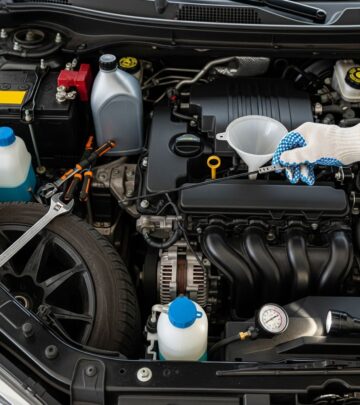
Winter’s short trips create sludge buildup. Fresh oil lubricates the engine, improving efficiency and preventing wear. Check your owner’s manual for intervals—typically every 5,000 miles.
- Park on level ground, warm engine slightly, then drain old oil.
- Replace filter; use synthetic for high-mileage cars to save on future changes.
- Refill to dipstick ‘full’ mark with manufacturer-spec oil.
DIY costs under $50 versus $80+ at shops. Dirty oil reduces MPG and risks $5,000+ engine repairs.
3. Check Tire Pressure and Tread
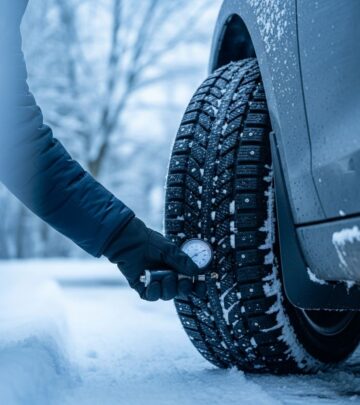
Temperature swings deflate tires; underinflation cuts MPG by 3% per PSI low and extends braking distance. Recommended PSI is on door jamb sticker.
- Pressure: Check cold tires monthly. Inflate to spec using a digital gauge.
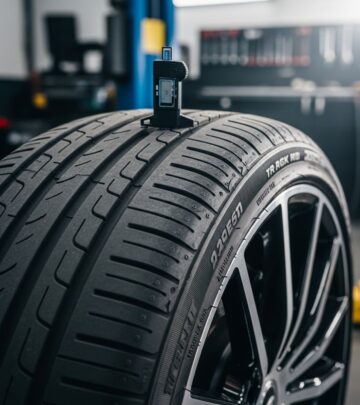
- Tread Depth: Use penny test—Lincoln’s head should be hidden (2/32″ min; 4/32″ safer). Rotate if uneven.
- Alignment: Feathering indicates issues; fix for even wear.
| Tire Position | Common PSI Range | Signs of Trouble |
|---|---|---|
| Front | 32-35 | Uneven shoulder wear |
| Rear | 30-35 | Cupping from misalignment |
| All | Varies by model | Bulges or cracks |
Proper tires save $100s yearly on gas and prevent hydroplaning in spring rains.
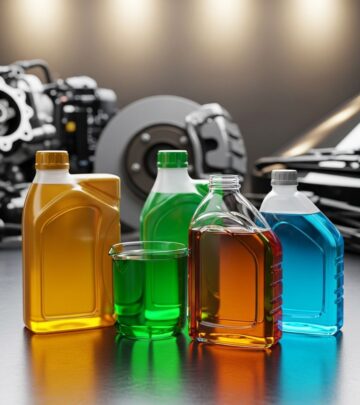
4. Inspect and Top Off Fluids
Fluids evaporate or contaminate in winter. Low levels cause overheating, slips, or failures.
- Engine Coolant: Pink/green mix; top to ‘full’. Flush if rusty (every 2 years).
- Brake Fluid: Clear/yellow; milky means flush. Low = spongy pedal.
- Transmission: Red/brown; check when hot per manual.
- Power Steering & Washer: Top off; use correct types to avoid damage.
A $10 top-off prevents $1,000+ repairs. Always use OEM-spec fluids.
5. Brake System Inspection
Road salt corrodes brakes. Listen for squeals, feel vibrations, or note longer stops.
- Pads: Min 3/16″; replace pairs.
- Rotors: Smooth, no grooves deeper than thumbnail.
- Lines/Caliipers: Check leaks/rust; clean salt residue.
- Fluid: Flush if contaminated.
Brakes are critical; inspection costs little, repairs $300-800/wheel.
6. Replace Windshield Wipers and Check A/C
Winter degrades rubber; streaky blades impair vision in spring showers. Replace yearly ($20-40).
- Lift blades, wipe hinges, test sweep.
- A/C: Run on high; weak air? Recharge ($50 DIY kit) before summer.
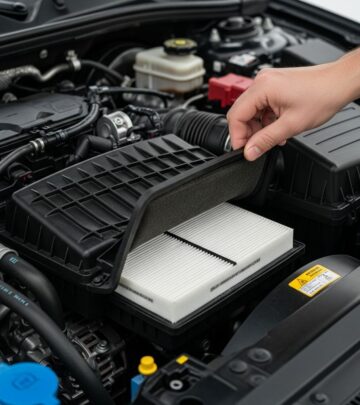
7. Air, Cabin, and Fuel Filters
Clogged filters hurt MPG and air quality. Cabin filters trap pollen.
- Air: Clean = better combustion.
- Cabin: Behind glovebox; swap for $15.
- Fuel: Per mileage schedule.
Upgrade saves 10% fuel.
8. Suspension, Belts, Hoses, and Underbody
Potholes damage undercarriage. Inspect for leaks, cracks, rust.
- Belts/Hoses: No cracks/fraying.
- Suspension: Bounce test; clunks = bushings/shocks.
- Underbody: Hose off salt; check exhaust.
9. Exterior and Interior Refresh
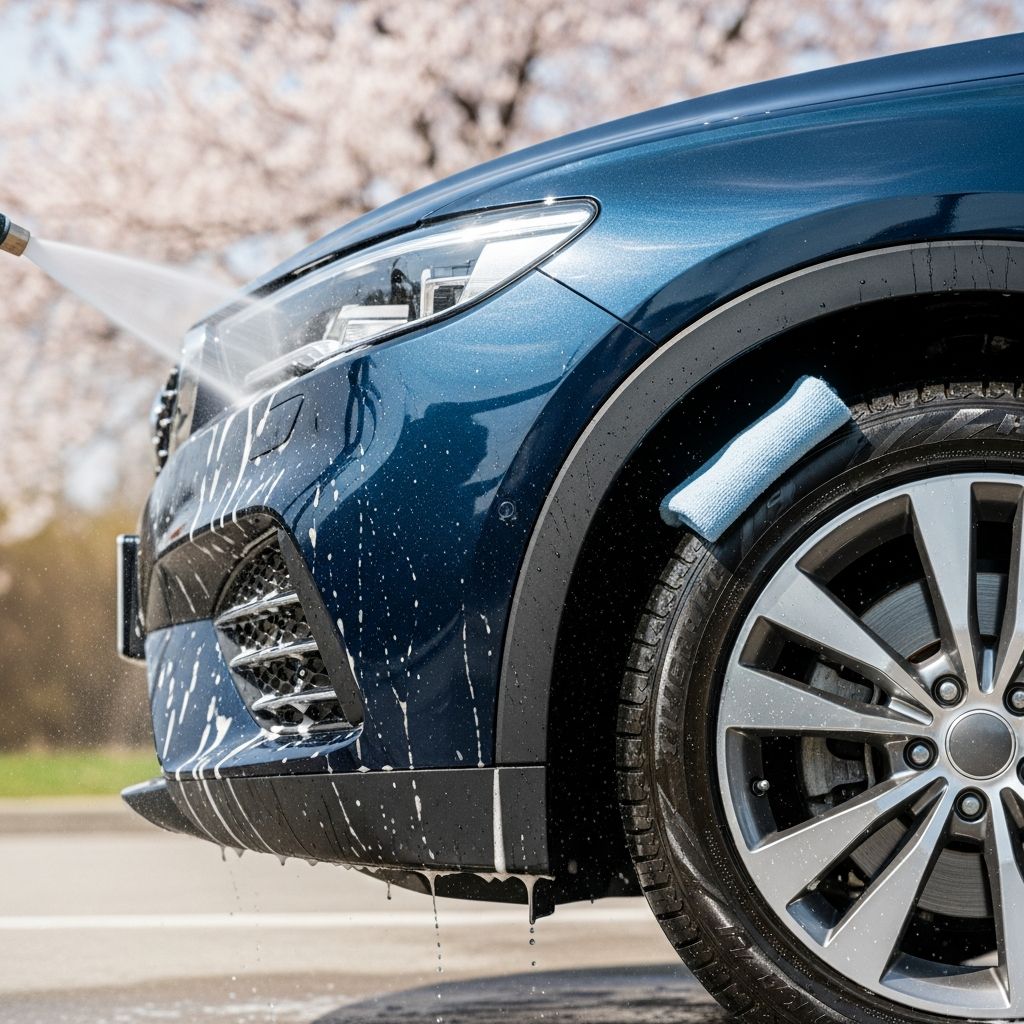
Wash thoroughly, wax for UV protection. Vacuum interior, clean mats. Restore foggy headlights with polish ($10 kit).
10. Tune-Up if Needed
At milestones (50k+ miles) or Check Engine light: Spark plugs, cables.
Frequently Asked Questions (FAQs)
Q: How often should I check tire pressure in spring?
A: Monthly, or weekly if driving varies; temp changes 10°F alter PSI by 1.
Q: Can I DIY battery testing?
A: Yes, with a $20 tester; free at AutoZone.
Q: What’s the cost of skipping spring maintenance?
A: $500+ in repairs vs. $100 DIY; plus safety risks.
Q: When to replace wiper blades?
A: If streaking/smearing; annually post-winter.
Q: Is synthetic oil always better?
A: For most modern cars, yes—longer life, better protection.
Implement these tips to save money and drive confidently. Schedule pro help for complex tasks.
References
- 5-Point Checklist for Spring Car Maintenance — AAA Oregon/Idaho. 2023. https://info.oregon.aaa.com/5-point-checklist-for-spring-car-maintenance/
- Spring Car Maintenance: Your Tune-Up Checklist — Hawk Cadillac. 2025-08-08. https://www.hawkcadillac.com/blog/2025/august/8/spring-car-maintenance-checklist.htm
- Spring Car Care Checklist — AutoZone. 2024. https://www.autozone.com/diy/seasonal/spring-car-care-checklist
- Spring Car Maintenance Checklist — AARP. 2024. https://www.aarp.org/auto/car-maintenance-safety/spring-car-tune-up/
- Your Seasonal Spring Car Maintenance Checklist — GoToDobbs. 2024. https://www.gotodobbs.com/blog/your-seasonal-spring-car-maintenance-checklist/
Similar Articles








Read full bio of Sneha Tete