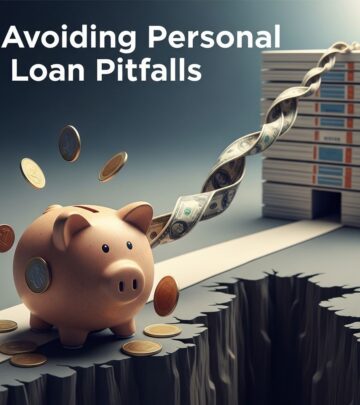
Spotting Personal Loan Scams
Learn to identify and avoid deceptive personal loan offers that could drain your savings and harm your credit.

Personal loans can provide quick access to funds for emergencies or major purchases, but scammers exploit this need with deceptive schemes. Recognizing fraud early prevents financial loss and identity theft. This guide outlines critical red flags, verification strategies, and protective measures based on common patterns reported across financial resources.
Unsolicited Communications: The First Warning Bell
Legitimate lenders typically wait for you to initiate contact through their official channels, such as websites or pre-approved mailings from known institutions. Scammers, however, often reach out first via unexpected phone calls, texts, or emails promising loans without prior inquiry.
- Robocalls or texts offering instant loans, especially if you didn’t search for one recently.
- Cold outreach claiming pre-approval based on vague data from marketing lists.
- Social media direct messages or pop-up ads leading to shady sites.
These tactics prey on surprise. Financial experts advise hanging up, deleting messages, and avoiding any response, as even denials can flag you for more spam.
Guaranteed Approval Promises: Too Good to Be True
No reputable lender can promise approval without reviewing your credit history, income, or debt-to-income ratio. Offers of ‘guaranteed’ loans regardless of credit score scream fraud.
Scammers target those with poor credit by dangling unrealistic hopes. Real loans involve underwriting processes to assess repayment ability. Subprime lenders might approve high-risk borrowers at steep rates, but outright guarantees indicate deception.
| Legitimate Lender | Scammer Tactic |
|---|---|
| Requires credit check and documentation | Skips verification, approves instantly |
| Discloses qualification criteria upfront | Uses phrases like ‘no credit check needed’ |
| Offers competitive but realistic rates | Promises 0% interest or sky-high amounts |
Upfront Fees and Unusual Payment Demands
A hallmark of advance-fee scams is demanding payment before disbursing funds, often disguised as processing, insurance, or appraisal fees. Genuine lenders deduct such costs from the loan proceeds, never requiring prepaid methods.
- Requests for wire transfers, gift cards (e.g., Apple, Google Play), or cryptocurrency.
- Prepaid debit cards for ‘collateral’—untraceable and a clear scam sign.
- Insistence on apps like Venmo or Zelle for fees.
The Federal Trade Commission warns that upfront cash demands, especially via irreversible methods, mean the ‘lender’ vanishes post-payment.
High-Pressure Tactics to Rush Decisions
Scammers create artificial urgency, claiming offers expire in hours or days, to bypass your judgment. Legitimate providers allow time for review, comparisons, and questions.
Examples include threats of rate hikes or withdrawal if you don’t sign immediately. This prevents shopping around or consulting advisors. Always pause and verify independently.
Requests for Excessive or Odd Personal Data
While lenders need basics like name, address, SSN, and income for verification, extras like mother’s maiden name or full bank logins signal data harvesting for identity theft.
Fraudsters sell stolen info or commit fraud. Stick to secure, official application portals and monitor your credit reports post-interaction.
Lack of Legitimacy: No Registration or Physical Presence
Check if the lender is licensed in your state via official databases like the Nationwide Multistate Licensing System (NMLS). Unregistered entities operate illegally.
- Websites lacking HTTPS security or professional design.
- No verifiable physical address—only P.O. boxes or vague locations.
- Absence of contact numbers leading to real customer service.
Search the company name plus ‘scam’ or check CFPB and BBB complaints for patterns.
Hidden Fees and Poor Transparency
Reputable lenders disclose all costs—interest, origination fees, APR—clearly on their sites. Scammers hide details or spring surprise charges post-‘approval’.
Review terms meticulously. Use tools like annual percentage rate (APR) calculators to compare. Walk away from vague fee structures.
Impersonation and Fraudulent Tactics
Scammers pose as trusted banks, using spoofed caller IDs or fake checks. They might send a bogus check for deposit, then demand repayment of ‘overfunds’ before it bounces.
- Documents riddled with spelling errors or inconsistencies.
- Pushing conversations to untraceable apps like WhatsApp.
- Mismatched info, e.g., check from unrelated party.
Always contact the alleged company via official channels to confirm.
Verifying Lenders: Step-by-Step Protection
To stay safe:
- Research via NMLS Consumer Access, state banking sites, and BBB.
- Compare rates on aggregator sites like NerdWallet, avoiding direct lender links from ads.
- Use secure sites (padlock icon) and read privacy policies.
- Pre-qualify without hard credit pulls.
- Report suspicions to FTC at ReportFraud.ftc.gov or CFPB.
Freezing your credit with Equifax, Experian, TransUnion adds layers against misuse.
Real-World Impacts and Statistics
Loan scams cost Americans billions yearly, with identity theft compounding losses. In 2023, FTC reported over 400,000 fraud complaints, many loan-related. Victims face drained accounts, ruined credit, and recovery hassles. Early detection averts this.
FAQs: Common Questions on Loan Scams
Can legitimate lenders charge upfront fees?
Origination fees yes, but deducted from proceeds—not prepaid via gift cards.
What if I get a loan offer via text?
Delete and block. Legit offers don’t start this way.
How do I check a lender’s legitimacy?
Use NMLS, state regulators, BBB, and CFPB databases.
What to do if scammed?
Report to FTC, police, and credit bureaus. Dispute charges and monitor accounts.
Are online-only lenders safe?
Many are, if licensed and transparent. Verify independently.
Building Long-Term Financial Resilience
Beyond spotting scams, improve credit via timely payments and low utilization. Explore credit unions or banks for fair rates. Education empowers—stay informed on evolving tactics like AI deepfakes in calls.
In summary, vigilance turns potential pitfalls into informed choices. Prioritize licensed, transparent lenders for genuine opportunities.
References
- 9 Ways To Spot Personal Loan Scams — My CCNB. 2023. https://www.myccnb.com/resources/9-ways-to-spot-personal-loan-scams/
- 8 Signs of a Personal Loan Scam — Experian. 2024. https://www.experian.com/blogs/ask-experian/signs-of-a-personal-loan-scam/
- 7 Signs of Personal Loan Scams — NerdWallet. 2024. https://www.nerdwallet.com/personal-loans/learn/personal-loan-scams
- Six Signs of Personal Loan Scams — Kirtland Federal Credit Union. 2023. https://kirtlandcu.org/six-signs-of-personal-loan-scams/
- Think Before You Borrow: Warning Signs of Loan Fraud — C&F Bank. 2024. https://www.cffc.com/blog/post/think-before-you-borrow-warning-signs-of-loan-fraud
Similar Articles








Read full bio of medha deb