Odometer Fraud: Essential Checklist For Used Cars
Protect yourself from costly odometer rollback scams with expert detection strategies and essential checks before buying a used vehicle.
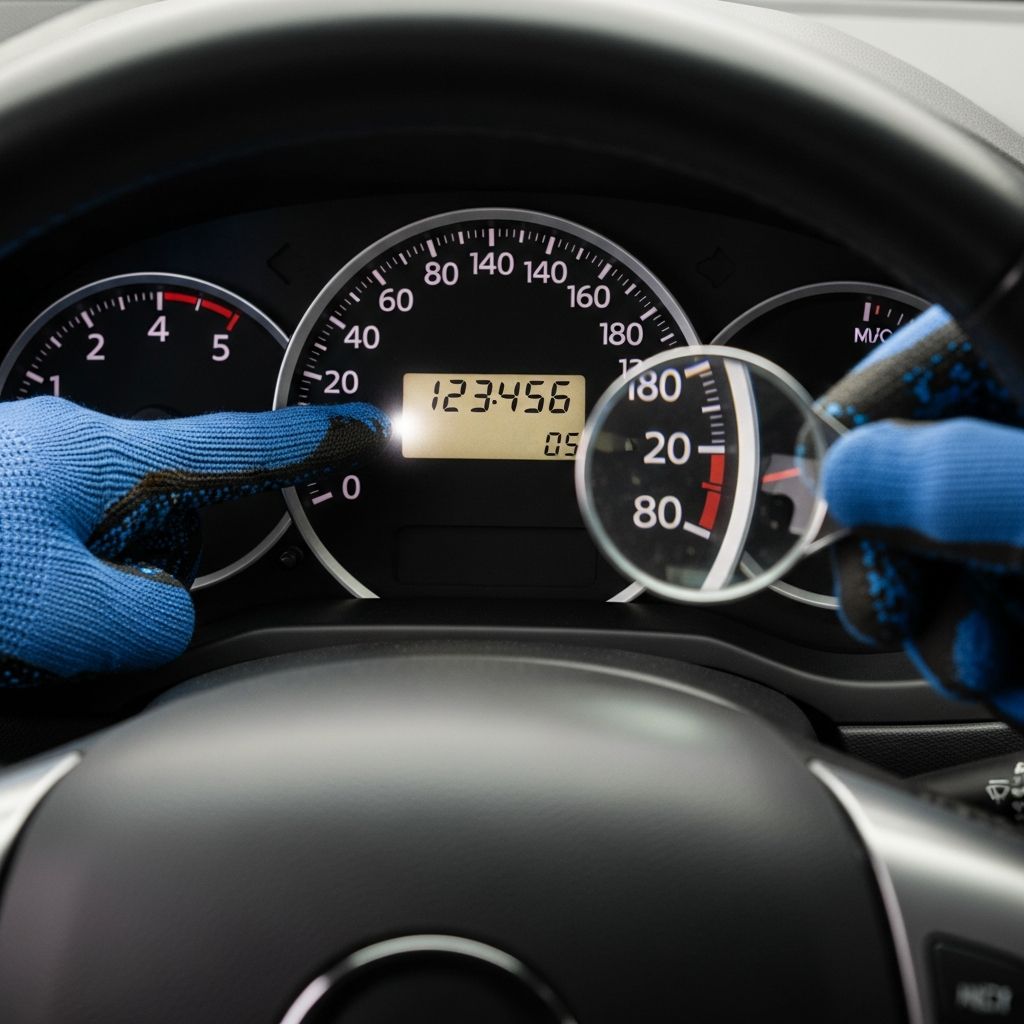
Odometer fraud involves illegally altering a vehicle’s mileage reading to make it appear as if it has been driven fewer miles than it actually has, deceiving buyers into paying more for a car with hidden wear and tear. This scam costs American consumers over $1 billion annually, with more than 450,000 affected vehicles sold each year according to the National Highway Traffic Safety Administration (NHTSA).
Understanding the Mechanics of Mileage Manipulation
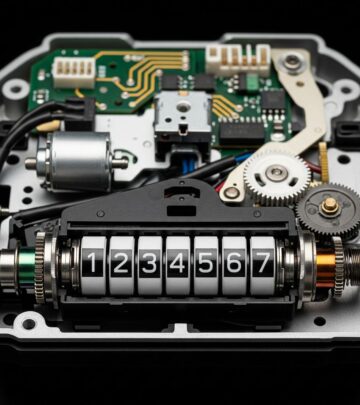
Fraudsters employ various techniques to tamper with odometers, evolving from mechanical tweaks to sophisticated digital hacks. In older vehicles with mechanical odometers, criminals could physically reset gears by disassembling the dashboard, often leaving visible scratches or misaligned digits as evidence. Modern digital odometers, however, are reprogrammed using specialized software and diagnostic tools plugged into the car’s OBD2 port, allowing scammers to rewrite mileage data quickly without obvious physical damage.
Other methods include swapping the entire odometer unit with one showing lower mileage or even replacing the dashboard cluster. In some cases, fraudsters fail to synchronize all electronic control units (ECUs), leaving discrepancies in data stored in the engine, transmission, or other modules that savvy buyers can uncover. These tactics make detection challenging but not impossible with the right approach.
Visual and Physical Indicators of Tampering
Start your inspection by examining the car’s interior and exterior for inconsistencies between the reported mileage and actual condition. Low-mileage vehicles should show minimal wear, so look for these warning signs:
- Pedal and seat wear: Worn brake pedals, accelerators, or driver’s seat bolsters suggest high usage despite low odometer readings.
- Tire and brake condition: Fresh tires on a high-mileage car might indicate recent replacement to mask wear, but check brake pads and rotors for uneven grooves.
- Steering wheel and gear shift: Cracked leather or shiny spots from frequent handling contradict low mileage claims.
- Dashboard clues: Scratches around the odometer, loose clusters, or glitchy digital displays can signal recent tampering.
Additionally, inspect oil change stickers under the hood or on door jambs, which often note mileage at service intervals. Gaps or sudden drops in these records are red flags.
Leveraging Vehicle History and Documentation
Documentation provides a paper trail that fraudsters often overlook. Always request and scrutinize these records:
- Title and registration: Compare odometer readings listed on previous titles; smudges or alterations may indicate fraud.
- Service and warranty records: Legitimate maintenance logs should show progressively increasing mileage. Inconsistencies or missing entries warrant caution.
- Inspection reports: State-required inspections record VIN-linked mileage; access Texas DMV reports online for steady progression checks.
| Document Type | What to Check | Red Flag Example |
|---|---|---|
| Vehicle Title | Mileage at transfer | Sudden drop from prior reading |
| Service Receipts | Mileage sequence | Gaps exceeding 10,000 miles |
| Oil Sticker | Date vs. mileage | High mileage on recent sticker |
Harnessing Digital Tools for Mileage Verification
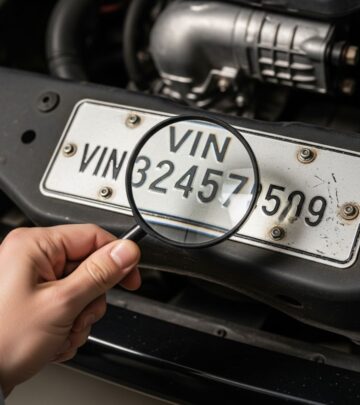
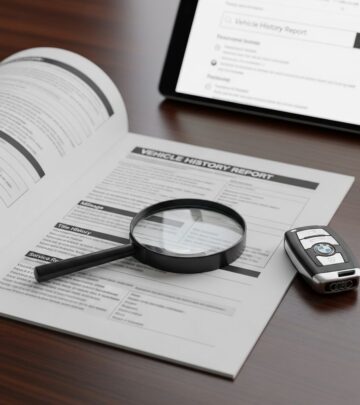
Technology empowers buyers to bypass visual tricks. Vehicle history reports from services like Carfax or AutoCheck aggregate mileage data from services, sales, and accidents tied to the VIN, revealing discrepancies if the current odometer is lower than past records.
For deeper analysis, use OBD2 scanners like OBDeleven, which query multiple ECUs for mileage data. Consistent readings across modules indicate authenticity; mismatches—such as dashboard at 40,000 miles but engine at 120,000—point to rollback. This tool provides color-coded verdicts: green for genuine, yellow for suspicious, red for probable fraud, specifically for Volkswagen Group and BMW models.
Another hack: Check the radio’s usage hours if original. Estimate mileage by multiplying hours by 0.75 (assuming radio on 75% of drive time) and average speed. Vast differences from the odometer suggest tampering.
Professional Inspections and Pre-Purchase Strategies
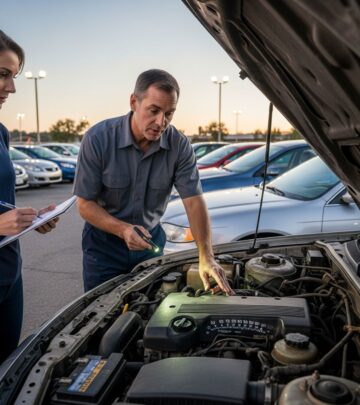
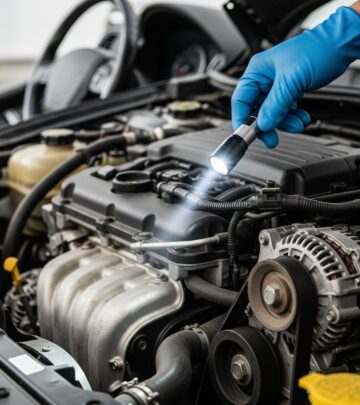
Never skip a professional mechanic’s evaluation. Certified technicians use advanced diagnostics to spot tampering beyond basic checks, often including UV light scans for hidden alterations or compression tests revealing engine wear inconsistent with mileage.
Before viewing a car, run a free VIN check via NHTSA or state DMV sites for title history and open recalls. Insist on seeing all records upfront; evasive sellers are suspect. If pricing seems suspiciously low for the model and year, probe deeper—bargains often hide fraud.
Legal Protections and Reporting Fraud
Federal law mandates accurate odometer disclosures under the Truth in Mileage Act, enforced by NHTSA and FTC. Violators face fines up to $10,000 per vehicle, but buyers must prove fraud. States like Texas offer VIN-based inspection histories to aid detection.
If you suspect rollback post-purchase, report to NHTSA’s hotline (1-888-327-4236), FTC, or state DMV. Preserve evidence like photos of the odometer, title, and reports for potential lawsuits—attorneys specializing in consumer fraud can recover losses.
Frequently Asked Questions (FAQs)
What is the most reliable way to check for odometer fraud?
The vehicle history report combined with an OBD2 scan of multiple ECUs provides the strongest evidence, cross-verifying reported mileage against independent records and onboard data.
Can digital odometers be rolled back easily?
Yes, with black-market tools that reprogram via OBD2 ports, but incomplete wipes often leave ECU mismatches detectable by scanners.
How much does odometer fraud cost buyers yearly?
Over $1 billion, affecting 450,000+ vehicles annually per NHTSA estimates.
Should I buy from private sellers or dealers?
Dealers may offer warranties, but fraud occurs everywhere. Always verify independently regardless of source.
What if the seller refuses a history report?
Walk away—transparency is non-negotiable.
Key Takeaways for Safe Used Car Buying
Arm yourself with knowledge: Cross-check physical condition, documents, history reports, and digital diagnostics. A few hours of diligence can save thousands and prevent inheriting a lemon. In today’s market, where used cars average $27,000, avoiding even 20,000 hidden miles preserves value and safety.
References
- Detecting Odometer Rollback: A Denver Lawyer’s Guide — The Bay Area Firm. 2023. https://thebayasfirm.com/detecting-odometer-rollback-a-denver-lawyers-guide/
- Odometer rollback: How to avoid fraud — OBDeleven. 2024. https://obdeleven.com/odometer-rollback
- WARNING: Odometer Rollback Fraud — CARCHEX. 2023. https://www.carchex.com/research-center/vehicle-history-reports/odometer-rollbackfraud/
- Stop odometer fraud with instant, automated verification — Truepic. 2024. https://www.truepic.com/blog/odometer-fraud
- TxDMV Smart Buyer Series: Odometer Fraud — Texas Department of Motor Vehicles. 2017-07-01. https://www.txdmv.gov/sites/default/files/body-files/SmartBuyer_OdometerFraud_July2017.pdf
- How To Look Out for Odometer Rollback When Buying Used Cars — Capital One Auto Navigator. 2024. https://www.capitalone.com/cars/learn/finding-the-right-car/how-to-look-out-for-odometer-rollback-when-buying-used-cars/1545
Similar Articles








Read full bio of Sneha Tete