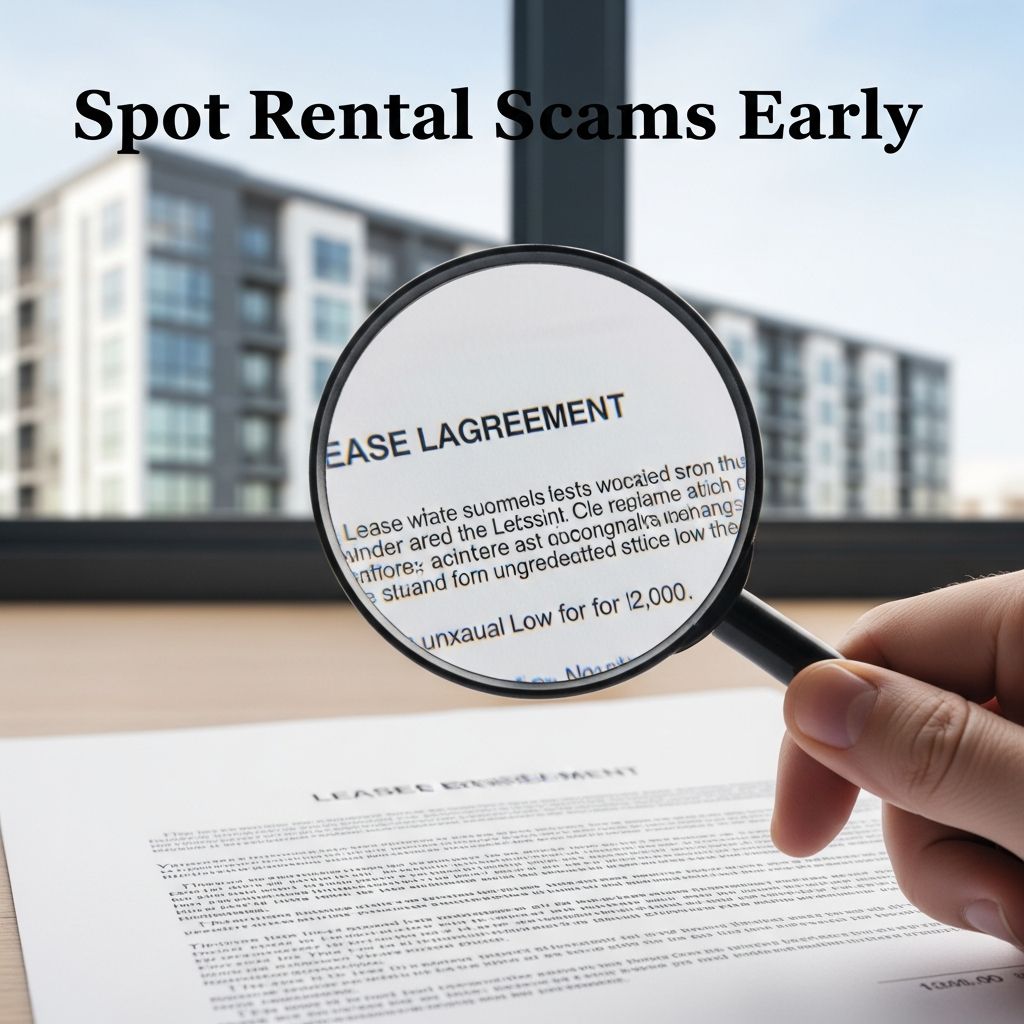
Spot Rental Scams Early
Learn to identify common rental fraud warning signs and protect your money with proven verification strategies for safe renting.
Rental scams target eager renters in tight housing markets, often leading to lost deposits and stolen personal data. By recognizing common fraud patterns and adopting verification habits, individuals can secure legitimate housing without financial harm.
Why Rental Fraud is Rising
Scammers exploit high demand for affordable rentals by posting fake listings on popular sites. Fraudsters steal photos from real properties, alter details, and demand upfront payments via irreversible methods like wire transfers. Victims frequently lose hundreds in deposits before discovering the deception. Government data shows rental listing scams cost consumers millions yearly, with surges during peak moving seasons.
Understanding the mechanics helps: criminals monitor legitimate ads, duplicate them with changed contact info, and advertise at discounted rates to lure quick commitments. This tactic preys on urgency, bypassing standard checks like in-person tours.
Top Warning Signs of Fake Rental Offers
Spotting irregularities early prevents engagement with fraudsters. Here are critical indicators:
- Prices Far Below Market Rates: Listings offering premium locations at half the going rate signal traps. Compare with similar units on multiple platforms to gauge fairness.
- Urgent Demands for Payment: Pressure to wire funds or buy gift cards before viewing raises alarms. Legitimate owners allow tours first.
- Refusal of In-Person or Video Tours: Excuses like ‘owner out of town’ often mask non-existent properties. Insist on live walkthroughs.
- Vague or Inconsistent Details: Listings with poor grammar, missing photos, or shifting facts about amenities or terms indicate fakes.
- Requests for Sensitive Info Upfront: Asking for Social Security numbers or bank details before screening is a ploy for identity theft.
These signs cluster in fraudulent ads; one alone may not confirm a scam, but multiples demand caution.
Verification Steps for Prospective Renters
Thorough checks confirm legitimacy. Follow this process:
- Cross-Reference Listings: Search the address on sites like Zillow or official records. Mismatched owners or companies suggest hijacked ads.
- Validate Ownership: Use county assessor sites to confirm the listed landlord matches public records.
- Contact Directly: Call numbers from official property sites, not just the ad. Spoofed contacts are common.
- Inspect Virtually or Physically: Demand video calls or visits; reject remote-only deals.
- Review Lease Documents: Scrutinize for errors; use standard templates as benchmarks.
These actions filter out most deceptions without cost.
Secure Payment Practices to Dodge Traps
Fraudsters favor untraceable methods. Opt for:
| Risky Methods | Safe Alternatives |
|---|---|
| Wire transfers, crypto, gift cards | ACH, checks, credit cards |
| Cash apps without verification | Portal-based rent platforms |
| Upfront deposits sans tour | Payments post-inspection |
Never pay more than a standard deposit, and hold off until lease signing. Professional managers use encrypted systems reducing overpayment scams.
Protecting Landlords from Fraudulent Tenants
Owners face risks too, like fake applications or payment schemes. Screen rigorously:
- Run credit, criminal, and eviction checks via reputable services.
- Verify income with pay stubs and employer calls.
- Contact prior landlords directly; ignore emailed references.
- Watermark listing photos to prevent reuse.
- List only on trusted sites like Apartments.com.
Property managers offer advanced tools, minimizing bogus tenants.
Roommate and Sublet Scam Dangers
Shared housing invites unique frauds. Watch for:
- Fake social profiles or unverified references.
- Demands to front full rent with vague repayment promises.
- Refusals of video introductions.
Meet potential shares in person, draft clear agreements, and split payments securely.
Reporting Suspected Rental Fraud
Alert authorities to disrupt scammers:
- File with FTC at ReportFraud.ftc.gov.
- Notify platforms like Zillow.
- Contact local police for financial losses.
- Share experiences on verified review sites.
Quick reports aid investigations and warn others.
FAQs: Rental Scam Prevention
What if the rent seems too cheap?
Compare market rates; low prices often indicate scams. Verify with multiple sources before proceeding.
Can I rent without seeing the property?
Avoid it; insist on tours or trusted virtual walkthroughs to confirm existence.
Is wiring money ever safe for rentals?
No; use traceable methods only. Wires are irreversible and favored by fraudsters.
How do I check if a landlord is real?
Search public records, official sites, and cross-listings for consistency.
What to do after sending money to a scammer?
Report immediately to FTC, bank, and police; dispute charges if possible.
Adopting these habits empowers renters and owners alike in fraudulent landscapes.
References
- Rental Listing Scams — Federal Trade Commission. 2023-05-15. https://consumer.ftc.gov/articles/rental-listing-scams
- Rental Scams: How to Recognize and Avoid Rental Fraud — Zillow. 2024-02-10. https://www.zillow.com/learn/how-to-spot-rental-scams/
- How to Spot a Rental Scam? Avoid 10 Common Red Flags — LeaseRunner. 2023-11-20. https://www.leaserunner.com/blog/how-to-spot-a-rental-scam
- Avoiding Rental Scams: Protect Yourself and Your Finances — Credit Counseling of Kentucky. 2024-01-05. https://www.ccuky.org/blog/avoiding-home-rental-scams
- Rental Scams: Red Flags and Tips to Avoid Them — Redfin. 2023-09-12. https://www.redfin.com/guides/rental-scams
Similar Articles








Read full bio of Sneha Tete