Spend Less On Food: 6 Smart Strategies For Better Meals
Discover proven strategies to slash your food budget while enjoying healthier, tastier meals and more value from every grocery dollar.
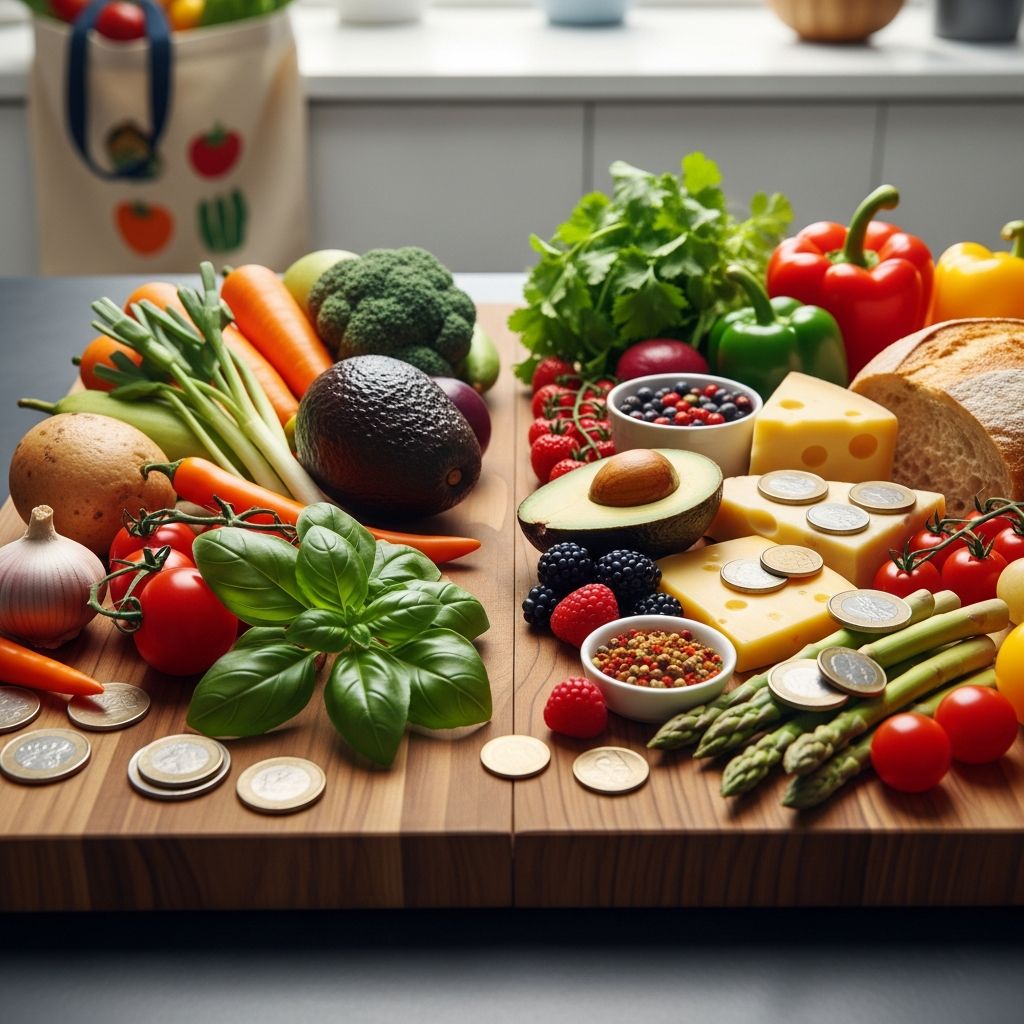
Food is one of the largest variable expenses in most household budgets, often rivaling housing costs. The average U.S. household spends $796 per month on food, including both groceries and dining out, according to Consumer Expenditure Survey data from the Bureau of Labor Statistics (BLS). Surprisingly, this exceeds typical housing payments for many families. Yet, with strategic changes, you can spend far less while accessing higher-quality, healthier meals. This guide covers proven tactics to reduce food costs by 20-50% without deprivation, drawing from frugal living principles and real-world data.
Understanding Your Current Food Spending
Before cutting costs, benchmark your spending. BLS data shows food expenditures vary by income decile: lower-income households (2nd decile) spend about $500 monthly on food, while higher ones (9th decile) exceed $1,200. Break it down into ‘food at home’ (groceries) and ‘food away from home’ (restaurants). Most overspend on the latter—averaging 40-50% of total food budgets—where markups can hit 300%.
Track one month using apps or receipts. Common pitfalls include impulse buys (adding 20% to bills), alcohol (variable but often $50-200/month), and prepared foods masquerading as deals. Families of four paying $800/month on groceries can balloon to $960 with extras. Awareness alone reveals quick wins.
Strategy 1: Slash Dining Out and Prepared Foods
The fastest savings come from cooking at home. Restaurant meals cost 4-5x homemade equivalents due to labor and overhead. Replace two weekly takeouts ($100 savings) with home versions using staples. Avoid grocery store delis and pre-made items—they’re pricier than bulk ingredients.
- Cook batch meals Sundays for the week.
- Use ‘meatless Mondays’: Cutting meat one day saves $80/month per the Meatless Monday Movement, plus environmental benefits.
- BYOL (bring your own lunch): Workers saving $2,500/year by packing elaborate, penny-cost meals.
Strategy 2: Master Meal Planning and Inventory
Wasted food accounts for 30-40% of purchases. Start with a pantry audit: list staples (rice, beans, pasta, canned goods). Plan 7-14 meals around them, incorporating sales flyers.
- Inventory: Check freezer/pantry; use oldest items first.
- Plan: Theme nights (e.g., stir-fry Tuesday) reduce decision fatigue.
- Shop list-only: Stick to it, compare unit prices.
- Eat leftovers: Transform into breakfasts or new dishes; smaller plates trick fullness, yielding more leftovers.
One family cut groceries to $100/month for four by pantry challenges, improving health by ditching processed foods.
Strategy 3: Buy Smarter – Bulk, Local, and Staples
| Shopping Method | Savings Potential | Best For |
|—————–|——————|———-|
| Bulk Staples (rice, oats, flour) | 30-50% | Dry goods, non-perishables |
| Local/Farmers Markets | 10-20% off retail | Produce in season |
| Store Brands | 20-40% | Everyday items |
| Coupons + Sales | 15-30% | Matched deals |
Buy rice/beans/flour in 20-50lb bags; one family fed five via stored basics during unemployment. Fresh local produce beats shipped imports for nutrition and cost. Skip junk: it inflates budgets 10-20% without satiety.
Strategy 4: Reduce Waste and Portion Control
Portion distortion from larger plates leads to overeating and waste. Switch to appetizer-sized plates; eat slowly for 20% less consumption. Store extras immediately. Food storage in bins sustains families months without shopping.
- Freeze breads, herbs in ice cubes.
- Compost scraps or make stock.
- Track expiration lists online for safe use.
Strategy 5: Alcohol and Extras Budget
Alcohol varies wildly; cap at BLS average ($50-100/month) via envelope system. Brew tea/kombucha alternatives. Prioritize wants: splurge on quality coffee, not daily lattes.
Strategy 6: Location and Lifestyle Hacks
Cost of living impacts food: groceries 57% higher in high-rent areas vs. affordable ones. If mobile, relocate. Otherwise, walk/bike for exercise, library for recipes/books—zero cost.
Health and Ethical Upsides
Spending less yields more: home cooking boosts nutrition (more veggies, less sodium). Meatless days cut environmental impact. Frugal eaters report better energy, weight control.
Frequently Asked Questions (FAQs)
Q: How much can a family of four realistically save on food?
A: $200-500/month by planning, home cooking, and waste reduction—dropping from $800 to under $400 without hunger.
Q: Is bulk buying worth it for small households?
A: Yes for non-perishables; split with friends or freeze. Saves 30-50% long-term.
Q: What if I hate cooking?
A: Start simple: sheet-pan meals, slow-cooker dumps. Batch-prep saves time; leftovers speed mornings.
Q: How do I handle kids/picky eaters?
A: Involve in planning; theme nights build excitement. Sneak nutrition via smoothies/sauces.
Q: Are store brands as good?
A: Blind tests show 80-90% identical; save 20-40% consistently.
Sample Weekly Meal Plan for Family of 4 ($100 Budget)
| Day | Meal | Key Ingredients | Cost Est. |
|---|---|---|---|
| Monday (Meatless) | Bean chili, rice | Canned beans, tomatoes, spices | $5 |
| Tuesday | Stir-fry veggies + tofu | Frozen veg, rice, soy sauce | $6 |
| Wednesday | Pasta primavera | Pasta, seasonal veg, cheese | $4 |
| Thursday | Lentil soup, bread | Dry lentils, carrots, pantry bread | $5 |
| Friday | Homemade pizza | Flour dough, sauce, toppings | $7 |
| Weekend | Leftovers + eggs/oats | Eggs, oats | $10 |
Total: ~$37/week groceries, scalable.
Implementing these strategies transforms food from budget-buster to value engine. Track progress monthly; adjust for preferences. Families report not just savings but joy in creative, nourishing meals.
References
- Consumer Expenditure Survey — U.S. Bureau of Labor Statistics. 2023. https://www.bls.gov/cex/
- Meatless Monday Initiative Research — Johns Hopkins Center for a Livable Future. 2022-10-15. https://www.meatlessmonday.com/research/
- Food Waste in America — USDA Economic Research Service. 2024-01-10. https://www.ers.usda.gov/topics/food-markets-prices/food-waste-loss/
- Cost of Living Calculator — U.S. Department of Labor / CNN Money. Updated 2025. https://money.cnn.com/calculator/pf/cost-of-living/index.html
- Household Food Spending Patterns — USDA Economic Research Service. 2023-05-20. https://www.ers.usda.gov/data-products/food-dollar-series/
Similar Articles








Read full bio of Sneha Tete