Special Economic Zones: Definition, Purpose, and Examples
Understand how special economic zones drive foreign investment and economic growth globally.

What Is a Special Economic Zone?
A Special Economic Zone (SEZ) is a geographically bounded area within a country where the government enacts distinct economic regulations that differ from those applied in the rest of the nation. These designated areas are strategically established to attract foreign direct investment (FDI), enhance industrialization, and spur economic development within identified jurisdictions. The primary mechanism through which SEZs operate involves offering investors favorable tax treatment and other financial incentives to encourage business establishment and expansion.
The concept of special economic zones has been employed worldwide for over 50 years, with countries experimenting with various models to achieve economic objectives. While SEZs have produced mixed results globally, they remain a popular policy tool for governments seeking to accelerate economic growth and structural transformation.
How Special Economic Zones Work
SEZs function as special purpose vehicles designed to create an environment conducive to business development and investment. Within these zones, investors operate under a distinct regulatory framework that typically includes:
- Reduced or eliminated tariffs on imported materials and equipment
- Tax holidays or reduced corporate income tax rates
- Simplified customs procedures and expedited documentation
- Special labor regulations and employment incentives
- Infrastructure development support and subsidized utilities
- Streamlined business registration and licensing processes
The establishment of an SEZ requires careful planning and proper implementation. The government must develop a comprehensive development program that addresses infrastructure needs, regulatory clarity, and investor support services. Success depends not merely on the existence of incentives but on how effectively these policies are executed and how well the supporting infrastructure meets business requirements.
Primary Objectives of Special Economic Zones
Governments establish SEZs with multiple strategic objectives in mind:
Foreign Direct Investment Attraction: The primary goal is to draw multinational corporations and international investors who seek favorable business conditions. By offering tax incentives and regulatory flexibility, zones compete globally for investment capital.
Economic Growth and Development: SEZs are designed to stimulate rapid economic expansion in designated regions, creating multiplier effects throughout the broader economy as investments generate employment, tax revenue, and technological advancement.
Industrialization and Manufacturing: Many SEZs focus on developing manufacturing capabilities, processing industries, and industrial clusters that enhance a nation’s production capacity and export competitiveness.
Technology Transfer: By attracting multinational enterprises, SEZs facilitate the transfer of advanced technologies, management practices, and technical expertise to domestic firms and the local workforce.
Employment Generation: The influx of foreign-invested enterprises creates direct employment opportunities for local workers and indirect jobs throughout supply chains and service sectors.
Types of Special Economic Zones
Special economic zones take various forms depending on their specific focus and design:
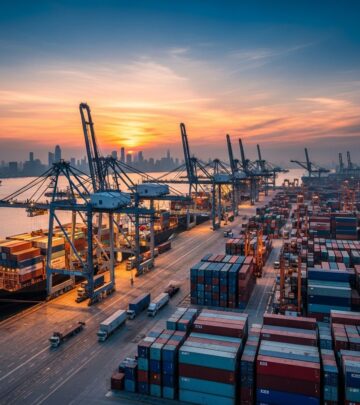
Free Trade Zones: These zones emphasize trade facilitation, allowing for duty-free importing and exporting of goods. Free trade zones are typically located near major ports or airports to facilitate international commerce.
Export Processing Zones: Designed primarily for manufacturing goods intended for export, these zones provide incentives specifically for enterprises engaged in value-added production for international markets.
Science and Technology Parks: These specialized zones concentrate on high-technology industries, research and development, and innovation-driven enterprises, attracting technology companies and research institutions.
Multi-Facility Economic Zones: These comprehensive zones accommodate diverse industries and business types, providing a broader range of opportunities for investors across multiple sectors.
Tourism Zones: Some SEZs focus on tourism-related businesses, hospitality, and recreational enterprises, offering incentives to develop resort destinations and tourism infrastructure.
Key Benefits of Special Economic Zones
When properly designed and implemented, SEZs offer substantial advantages:
Competitive Tax Advantages: Investors benefit from reduced or eliminated taxes on corporate income, capital gains, and imported materials, improving project profitability and return on investment.
Enhanced Operational Efficiency: Simplified customs procedures, expedited approvals, and streamlined regulations reduce bureaucratic delays and operating costs for zone enterprises.
Infrastructure Development: Governments invest in modern infrastructure within zones—including transportation networks, utilities, telecommunications, and industrial facilities—benefiting both current and future investors.
Skilled Workforce Access: SEZs often drive development of training programs and educational facilities that cultivate skilled labor pools, addressing workforce needs for advanced manufacturing and technology sectors.
Export Competitiveness: Preferential trade conditions and reduced input costs enable zone-based enterprises to produce competitively for international markets, boosting national exports and foreign exchange earnings.
Challenges and Limitations of Special Economic Zones
Despite their potential, SEZs face several significant challenges that can limit their effectiveness:
Infrastructure Inadequacy: Many SEZs suffer from insufficient or poor-quality infrastructure, including unreliable utilities, inadequate transportation networks, and limited telecommunications systems. These deficiencies discourage investment and increase operational costs.
Implementation Gaps: The objectives of SEZs are achievable only if development programs are properly crafted and correctly implemented. Many zones fail due to poor planning, inadequate funding, or ineffective management.
Limited Local Benefits: Research indicates that some incentives governments establish are not primary factors attracting investors, and zone enterprises may have limited linkages with local economies, reducing technology spillovers and employment benefits.
Slow Investment Uptake: Many zones experience slow adoption of available investment space, with some projects remaining in formative stages long after zone establishment.
Environmental and Social Concerns: SEZs can create environmental challenges through concentrated industrial activity and may generate labor and social issues if regulations are inadequately enforced.
Fiscal Cost: The tax incentives and infrastructure investments required to establish and maintain SEZs represent significant government expenditures with uncertain returns.
Global Examples of Special Economic Zones
China’s Special Economic Zones: China pioneered the modern SEZ model beginning in 1979, establishing zones in Shenzhen, Zhuhai, Shantou, and Xiamen. These zones played a crucial role in China’s economic transformation, attracting massive FDI and facilitating industrialization and export-led growth.
India’s Special Economic Zones: India has established numerous SEZs across the country, with zones in information technology, software development, and manufacturing. These zones have attracted significant foreign investment and contributed to India’s emergence as a global IT services hub.
United Arab Emirates Free Zones: Dubai and Abu Dhabi operate sophisticated free zones that have attracted international businesses, particularly in finance, logistics, and trade. These zones have transformed the UAE into a major regional business hub.
Lusaka South Multi-Facility Economic Zone (Zambia): This zone represents a contemporary effort to attract investment in Southern Africa. However, research indicates mixed results, with investors facing challenges including inappropriate infrastructure and slower-than-expected investment uptake.
Critical Success Factors for Special Economic Zones
Analysis of SEZ performance worldwide reveals several critical factors determining success:
Quality Infrastructure: Reliable utilities, modern transportation networks, and robust telecommunications systems are essential. Infrastructure inadequacies represent a primary barrier to investor attraction.
Stable Regulatory Environment: Clear, consistent, and transparent rules regarding taxation, labor, environmental compliance, and business operations build investor confidence.
Effective Governance: Professional management, efficient administrative processes, and responsive investor services are crucial for zone success and investor satisfaction.
Strategic Location: Proximity to markets, ports, airports, and supply chains significantly influences investment decisions and operational efficiency.
Skilled Workforce: Access to educated, trained workers capable of meeting industry demands is essential, particularly for manufacturing and technology sectors.
Competitive Incentives: While incentives alone don’t determine investment decisions, they must be competitive relative to other zones globally and aligned with investor needs.
Frequently Asked Questions About Special Economic Zones
Q: What is the primary purpose of a special economic zone?
A: The primary purpose is to attract foreign direct investment and accelerate economic growth by offering investors favorable tax treatment, regulatory flexibility, and improved infrastructure compared to other regions within the country.
Q: How do special economic zones differ from free trade zones?
A: While all free trade zones are SEZs, not all SEZs are free trade zones. Free trade zones specifically emphasize duty-free trade facilitation, whereas SEZs encompass broader incentive structures potentially including manufacturing, technology, and tourism-focused zones.
Q: What types of businesses typically locate in special economic zones?
A: Manufacturing enterprises, export processors, technology companies, research institutions, trading firms, and service providers commonly locate in SEZs. The specific industries depend on each zone’s design and focus.
Q: Why do some special economic zones underperform?
A: Underperformance typically results from inadequate infrastructure, poor governance, unclear regulations, limited workforce availability, geographic disadvantages, or insufficient marketing to potential investors.
Q: How long do tax incentives typically last in special economic zones?
A: The duration varies significantly. Some zones offer permanent tax incentives, while others provide tax holidays ranging from 5 to 15 years. Terms depend on individual zone regulations and host country policies.
Q: Can domestic companies invest in special economic zones?
A: Yes, though SEZs primarily target foreign investors, many zones permit domestic company investment, particularly when enterprises export goods or provide specialized services.
Conclusion
Special Economic Zones represent important policy instruments that governments employ to stimulate economic development, attract foreign investment, and accelerate industrialization. By creating distinct regulatory environments with favorable tax treatment and infrastructure support, SEZs have successfully catalyzed economic transformation in numerous countries worldwide. However, success requires more than simply offering incentives; it demands careful planning, quality infrastructure development, stable governance, and effective implementation. When these elements align properly, SEZs can serve as powerful engines of economic growth and development.
References
- Special Economic Zones: An Evaluation of Lusaka South – Multi Facility Economic Zone — Journal of Social and Political Sciences, SSRN. 2020-06-26. https://papers.ssrn.com/sol3/papers.cfm?abstract_id=3637237
Similar Articles








Read full bio of Sneha Tete