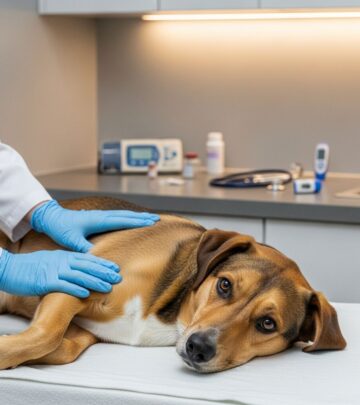
Spaying and Neutering: Costs, Insurance, and Benefits
Understand how spaying and neutering affect your pet’s health, your wallet, and what pet insurance or wellness plans may cover.

Spaying and Neutering: A Complete Pet Insurance-Friendly Guide
Spaying and neutering are among the most common surgical procedures performed on household pets, yet many owners are unsure how these surgeries affect their pet’s health, behavior, and long-term costs, or whether pet insurance will help cover the bill. This guide explains what spaying and neutering involve, why veterinarians recommend them, typical costs, how insurance and wellness plans treat these procedures, and how to decide what makes sense for your pet and your budget.
What Are Spaying and Neutering?
Spaying and neutering are surgical procedures that make pets unable to reproduce. They are also called sterilization surgeries and are considered part of routine preventive care in many countries.
Spaying (Females)
Spaying is typically a ovariohysterectomy, where a veterinarian removes a female pet’s ovaries and usually the uterus under general anesthesia.
- Most commonly performed on female dogs and cats.
- Prevents heat cycles and pregnancy.
- Usually done via an abdominal incision with internal sutures.
Neutering (Males)
Neutering, or castration, is a surgery where the testicles are removed to stop sperm production and significantly reduce reproductive hormones.
- Performed on male dogs and cats.
- Reduces testosterone-driven behaviors such as roaming and certain types of aggression.
- Generally a shorter and less invasive surgery than a full spay.
Why Veterinarians Recommend Sterilization
- Helps control pet overpopulation and reduces shelter intake and euthanasia rates.
- Provides important health benefits, including reduced risk of some cancers and infections.
- Can improve behavior and make pets easier and safer to manage in the home.
Health Benefits of Spaying and Neutering
Beyond preventing pregnancy, spaying and neutering are strongly associated with a range of health and longevity benefits.
Major Health Benefits for Female Pets
- Lower risk of mammary (breast) tumors: Spaying before the first or second heat cycle can drastically reduce the risk of mammary cancer in dogs and cats, which can otherwise be malignant and life-threatening.
- Prevention of pyometra: Pyometra is a serious, often fatal uterine infection in unspayed females; spaying removes the uterus and eliminates this risk.
- No uterine or ovarian cancer: Removing reproductive organs prevents tumors in those structures.
Major Health Benefits for Male Pets
- Prevents testicular cancer: Neutering eliminates the testicles, removing the risk of testicular tumors entirely.
- Reduces some prostate problems: Neutering reduces the risk of benign prostatic enlargement and certain prostate diseases that can cause pain, urinary issues, and infection.
- Decreased risk of certain perianal tumors: Some hormone-driven tumors are less common in neutered males.
Behavioral and Lifestyle Benefits
- Less roaming: Intact pets may roam or escape in search of mates, raising the risk of traffic accidents and injuries.
- Reduced marking and spraying: Neutered male cats and dogs are less likely to mark territory with urine indoors, a common reason for surrender to shelters.
- Fewer hormone-fueled conflicts: Neutering can reduce certain types of hormone-driven aggression and mounting behavior, though training and socialization are still essential.
When Should You Spay or Neuter Your Pet?
There is no one-size-fits-all age for every pet. Veterinarians consider factors such as species, breed, size, and health history.
- Cats: Many organizations recommend sterilizing kittens by around 4–5 months of age, before they reach sexual maturity and begin heat cycles or spraying.
- Small and medium dogs: Often spayed or neutered around 6–9 months of age, though timing can vary based on growth and behavior.
- Large and giant dog breeds: Some vets prefer to delay surgery until skeletal growth is closer to completion to balance orthopedic and cancer risks; decisions are individualized.
Because evidence continues to evolve, most veterinarians now recommend discussing timing in detail during early puppy or kitten visits so you can weigh health, behavior, and lifestyle considerations.
How Much Do Spaying and Neutering Cost?
Costs vary widely depending on species, size, location, and where the procedure is performed (full-service veterinary hospital, nonprofit clinic, or shelter program).
| Factor | How It Affects Cost |
|---|---|
| Species (dog vs. cat) | Dog surgeries generally cost more than cat surgeries. |
| Sex (spay vs. neuter) | Spays are typically more expensive because they are more invasive abdominal procedures. |
| Weight and size | Larger animals require more anesthesia, supplies, and time. |
| Geographic location | Urban and high-cost-of-living areas often have higher veterinary fees. |
| Type of clinic | Private veterinary hospitals charge more than subsidized clinics or shelter programs. |
| Additional services | Pre-op blood work, IV fluids, pain medications, and e-collars add to the total price. |
Many communities offer low-cost spay/neuter programs through shelters, humane societies, or municipal initiatives to make the procedure more affordable and reduce unwanted litters. These programs may prioritize pets owned by low-income families or those in areas with high shelter intake.
Does Pet Insurance Cover Spaying or Neutering?
Most standard accident-and-illness pet insurance policies do not cover routine spay or neuter surgeries because they are considered elective, preventive procedures rather than treatment for an unexpected accident or illness.
Why Standard Policies Exclude These Surgeries
- Pet insurance is designed primarily for unpredictable events such as injuries, serious infections, or chronic illnesses.
- Spaying and neutering are typically scheduled in advance and are therefore treated as routine preventive care.
- Covering elective procedures in base plans would increase premiums for all policyholders, including those who may not use the benefit.
When Spay or Neuter Might Be Covered as Treatment
There are limited situations in which an insurer may help pay for a spay or neuter surgery:
- If a veterinarian performs an emergency spay to treat a life-threatening uterine infection (pyometra) in a female dog or cat, the procedure may be covered as treatment for that illness, provided it is not related to a pre-existing condition.
- In male pets, a neuter might be part of treatment for certain testicular or reproductive disorders, depending on the policy’s surgical coverage.
In these cases, the surgery is no longer elective; it is medically necessary. Coverage still depends on waiting periods, exclusions, and pre-existing condition rules in the policy.
How Wellness Plans and Add-Ons Cover Spaying and Neutering
While comprehensive pet insurance generally excludes sterilization, many insurers sell wellness plans or preventive care add-ons that can reimburse part of the cost.
What Is a Wellness or Preventive Care Plan?
A wellness plan is an optional benefit that focuses on routine and preventive services rather than emergencies.
- Typically covers services such as vaccinations, annual exams, fecal tests, blood work, and parasite prevention.
- Often includes a set allowance or schedule of benefits for spaying or neutering.
- May have no deductible and minimal or no waiting periods, with coverage starting quickly.
How Spay/Neuter Coverage Usually Works
- Fixed benefit amount: The plan pays up to a pre-set limit for the surgery (for example, $150–$250), and you pay any remaining balance out of pocket.
- Annual maximum: Wellness plans typically have an overall annual cap; the spay/neuter benefit counts toward that maximum.
- Tiered plan levels: Lower tiers may not include spay/neuter, while mid- or high-tier preventive plans usually provide some allowance.
- Reimbursement model: You pay the veterinarian at the time of surgery and then submit an itemized invoice to the insurer for reimbursement.
Comparing Wellness Plans for Spay/Neuter Coverage
When evaluating wellness options, look carefully at plan details and trade-offs:
- Is spaying/neutering specifically listed as a covered item?
- What is the maximum benefit for the surgery, and is it enough to make a meaningful dent in expected costs?
- Does the plan bundle spay/neuter and dental cleaning into a single category, forcing you to choose only one per year?
- How much does the wellness add-on cost monthly, and how does that compare with paying for preventive care directly?
Financial Planning: Is Insurance Worth It Just for Spay/Neuter?
Industry experts generally note that pet insurance is not cost-effective if your only goal is to offset a single routine procedure like spaying or neutering. Instead, accident-and-illness coverage is designed to protect you from large, unexpected veterinary bills over your pet’s lifetime.
When a Wellness Plan May Make Sense
- You prefer predictable monthly payments over occasional large vet bills.
- Your pet will use many of the included benefits (vaccines, tests, preventive medications) in addition to spay/neuter.
- Promotional pricing or employer benefits make the add-on especially affordable.
When You Might Skip Wellness Coverage
- You are comfortable budgeting for routine care and a one-time sterilization procedure out of pocket.
- Available wellness plans reimburse only a small fraction of the spay/neuter fee, making the add-on marginal in value.
- Your pet is already spayed or neutered and you only need coverage for unexpected accidents and illnesses.
Risks, Recovery, and Aftercare
Spaying and neutering are considered safe and routine, but they are still surgical procedures that require anesthesia and proper aftercare.
Common, Usually Mild Side Effects
- Drowsiness or disorientation from anesthesia for the first 12–24 hours.
- Mild soreness or reluctance to move, especially after spay surgery.
- Temporary appetite decrease.
Rare but Serious Complications
- Bleeding or infection at the incision site.
- Adverse reactions to anesthesia.
- Internal bleeding or wound dehiscence (opening of the incision).
Veterinarians typically recommend rest, an Elizabethan collar to prevent licking, and short, supervised leash walks until the incision has healed. Most pets recover well within 10–14 days, though your vet will give specific instructions tailored to your pet’s age and health.
Frequently Asked Questions (FAQs)
Q: Do I have to spay or neuter my pet for insurance coverage?
A: Most insurers do not require spaying or neutering to enroll your pet, but some may consider sterilization a factor for certain behavioral or reproductive condition claims. You should always check your policy wording and ask the insurer if you are unsure.
Q: Can I get pet insurance after my pet has already been spayed or neutered?
A: Yes. Spaying or neutering does not prevent you from enrolling in pet insurance. In fact, once the surgery and recovery are complete, that history is typically considered a resolved issue rather than a pre-existing condition. Just be aware that future conditions related to the reproductive system will be evaluated according to the policy’s terms.
Q: Will my pet gain weight after being spayed or neutered?
A: Some pets may be more prone to weight gain after sterilization because their energy needs can decrease, while their appetite may stay the same. Adjusting portions, choosing an appropriate diet, and maintaining regular exercise help keep your pet at a healthy weight.
Q: Is it risky to delay spaying or neutering?
A: Delaying surgery can increase the risk of accidental litters and reproductive diseases like pyometra in females or testicular problems in males. However, for some large-breed dogs, veterinarians may balance these risks against orthopedic or cancer concerns when choosing the optimal age. A tailored discussion with your vet is essential.
Q: Are there free or low-cost spay/neuter options?
A: Many shelters, humane societies, and municipal programs offer discounted or fully subsidized spay/neuter services, especially in areas with high stray populations. These programs aim to reduce overpopulation and improve community animal welfare, and they can be a good option if full-service clinic fees are out of reach.
References
- Spay/Neuter Awareness — ASPCA. 2023-02-10. https://www.aspca.org/pet-care/general-pet-care/spayneuter-your-pet
- Does Pet Insurance Cover Spaying or Neutering? — NerdWallet. 2024-01-18. https://www.nerdwallet.com/insurance/pet/learn/does-pet-insurance-cover-spaying-neutering
- Does Pet Insurance Cover Spaying and Neutering? — Pumpkin Pet Care. 2023-05-04. https://www.pumpkin.care/post/does-pet-insurance-cover-spaying-neutering
- Pet Insurance: What It Is, How It Works — National Association of Insurance Commissioners (NAIC). 2022-08-09. https://content.naic.org/consumer/pet-insurance-what-it-how-it-works
- Spay/Neuter Facts — Humane Society of the United States. 2022-11-30. https://www.humanesociety.org/resources/why-you-should-spayneuter-your-pet
Similar Articles








Read full bio of medha deb