Spark Plugs: 4 Types, Performance Tips, And Replacement Guide
Discover the vital role spark plugs play in your engine's power, efficiency, and longevity with this comprehensive guide.
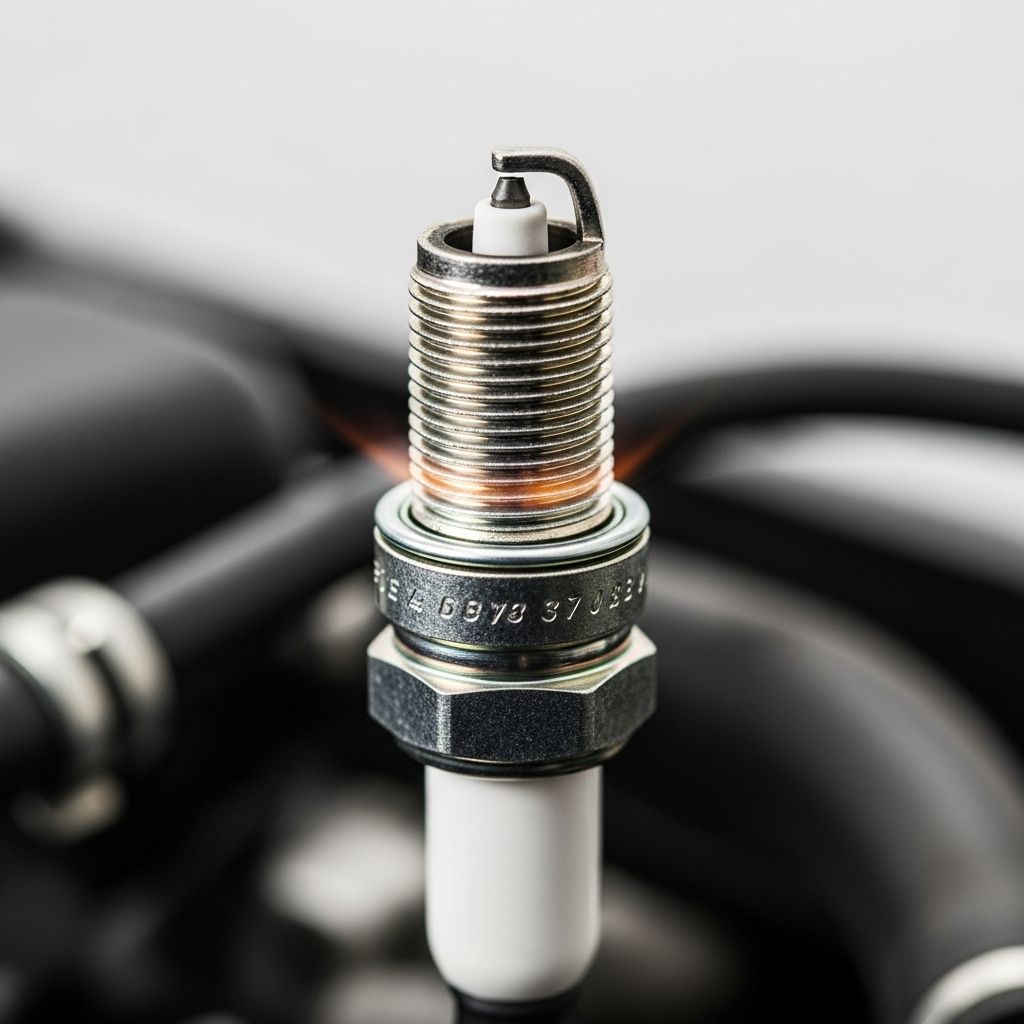
Spark plugs are small yet indispensable components in gasoline engines, responsible for generating the spark that ignites the fuel-air mixture, driving pistons, and powering your vehicle. Without them functioning properly, combustion fails, leading to poor performance or complete engine failure.
The Essential Ignition Process in Modern Engines
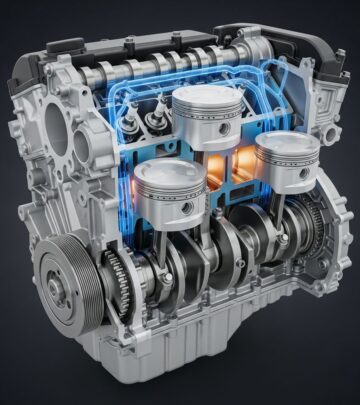
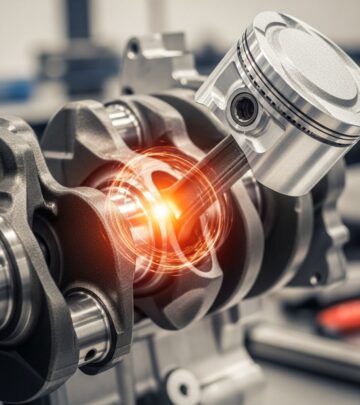
In internal combustion engines, power generation relies on a precise sequence: air enters through the intake system, fuel is delivered via injectors, and the mixture compresses in the cylinder. At peak compression, the spark plug delivers a high-voltage spark across its electrode gap, igniting the mixture into a controlled explosion that forces the piston downward.
This spark, reaching temperatures up to 10,000°C, ensures efficient combustion under varying conditions, from idle to high RPM. The ignition coil supplies the necessary voltage, transforming low battery current into the thousands of volts required to bridge the gap.
Core Components and Design Features
A typical spark plug consists of a central electrode insulated by ceramic, surrounded by a metal shell threaded into the cylinder head, and a ground electrode forming the spark gap. Durable materials like nickel, platinum, or iridium tips withstand extreme heat and corrosion.
- Central Electrode: Conducts high voltage to create the spark.
- Ground Electrode: Completes the circuit; multi-electrode designs improve spark distribution.
- Insulator: Prevents premature firing and dissipates heat.
- Thread and Hex: For secure installation and wrench access.
Advanced designs feature finer wires for better ignition in lean mixtures, enhancing fuel economy and emissions control.
Different Types of Spark Plugs for Every Need
Spark plugs vary by material and construction to suit engine demands, from daily drivers to high-performance builds.
| Type | Material | Best For | Pros | Cons |
|---|---|---|---|---|
| Copper | Copper core | Older engines, racing | Excellent conductivity, affordable | Short lifespan (20,000-30,000 miles) |
| Platinum | Platinum tips | Standard vehicles | Longer life (60,000-100,000 miles), resistant to wear | Higher cost |
| Iridium | Iridium alloy | Modern, efficient engines | Ultra-fine electrode for strong spark, 100,000+ miles | Premium price |
| Double Platinum | Platinum on both electrodes | High-mileage cars | Balanced wear, smooth operation | Less common now |
Iridium plugs dominate newer vehicles due to their durability and ability to handle direct injection systems.
How Spark Plugs Influence Performance and Efficiency
Optimal spark plugs ensure complete fuel burn, maximizing power output while minimizing waste. A fresh set can improve fuel economy by 5-10%, reduce emissions, and provide smoother acceleration.
Worn plugs cause incomplete combustion, leading to power loss, misfires, and increased exhaust hydrocarbons. In heavy-duty applications like trucks, this translates to higher operating costs and strain on other components.
Spotting Spark Plug Problems Early
Recognize failure signs to avoid breakdowns:
- Misfires: Engine shaking, hesitation during acceleration.
- Poor Fuel Economy: Sudden MPG drop due to inefficient burning.
- Rough Idling: Unsteady RPM at stops.
- Difficulty Starting: Prolonged cranking in cold weather.
- Check Engine Light: Codes like P0300 indicate ignition issues.
Visual inspection reveals fouled plugs: carbon buildup (rich mixture), oil residue (sealant failure), or white ash (overheating).
Step-by-Step Guide to Spark Plug Replacement
Replacing plugs is a straightforward DIY task for most vehicles, typically every 30,000-100,000 miles per manufacturer specs.
- Gather Tools: Socket set, torque wrench, gap tool, anti-seize compound, dielectric grease.
- Locate Plugs: Remove ignition coils or wires after disconnecting battery.
- Remove Old Plugs: Use a spark plug socket; inspect for damage.
- Check Gap: Verify against specs (e.g., 0.040-0.060 inches).
- Install New Plugs: Hand-thread, torque to 10-20 ft-lbs; reconnect components.
- Test Drive: Monitor for smooth operation.
Always consult your owner’s manual for torque values and plug type to prevent thread damage or improper sealing.
Choosing the Right Spark Plugs for Your Vehicle
Select based on engine type, driving habits, and OEM recommendations. Use cross-reference charts from reputable brands like NGK or Denso. For tuned engines, consider performance plugs with projected insulators for better flame kernel growth.
Advanced Topics: Spark Plugs in Modern Tech
Today’s engines feature coil-on-plug (COP) systems, eliminating distributor caps for precise timing via ECU control. Direct injection and turbocharging demand plugs with superior heat range to avoid pre-ignition.
Hybrid vehicles use spark plugs only in gasoline range-extender modes, but efficiency focus amplifies their role. Future trends include laser ignition for even finer control, though traditional plugs remain standard.
Maintenance Tips for Longevity
- Monitor service intervals; iridium plugs extend to 120,000 miles.
- Use quality fuel to reduce deposits.
- Avoid over-torquing during install.
- Inspect during tune-ups for early wear.
Proactive care prevents costly repairs like catalytic converter damage from misfires.
Frequently Asked Questions (FAQs)
What happens if spark plugs fail?
Failed plugs cause no-start conditions, reduced power, and potential piston damage from unburnt fuel.
Can I mix spark plug types?
No; uniform gapping and heat range ensure balanced combustion.
How do I know my spark plug gap is correct?
Use a feeler gauge; incorrect gap leads to weak sparks or ECU faults.
Are expensive plugs worth it?
Yes, for longevity and performance in modern engines.
Do spark plugs affect emissions?
Absolutely; efficient sparks lower CO2 and NOx output.
References
- What Spark Plugs Do and How They Work — AutoZone. 2023. https://www.autozone.com/diy/spark-plugs/how-spark-plugs-work
- What does a spark plug do and how does it work — DENSO. 2023. https://www.denso-am.eu/news/what-does-a-spark-plug-do-and-how-does-it-work
- The Role of Spark Plugs in Engine Performance — e3 Spark Plugs. 2023. https://www.e3sparkplugs.com/blogs/news/the-role-of-spark-plugs-in-engine-performance
- Why Are Spark Plugs So Important to Your Engine? — CBAC. 2019-05-01. https://www.cbac.com/media-center/blog/2019/may/why-are-spark-plugs-so-important-to-your-engine-/
- How Do the Spark Plugs and Ignition Coils Work in My Car — Neighborhood Tire Pros. 2023. https://neighborhoodtirepros.com/blog/how-do-the-spark-plugs-and-ignition-coils-work-in-my-car
- Spark plug — Wikipedia. 2026. https://en.wikipedia.org/wiki/Spark_plug
Similar Articles








Read full bio of Sneha Tete