Sorting Out Inventory: Why It’s Important for Your Business
Master inventory management to boost profits, efficiency, and customer satisfaction in your business operations.
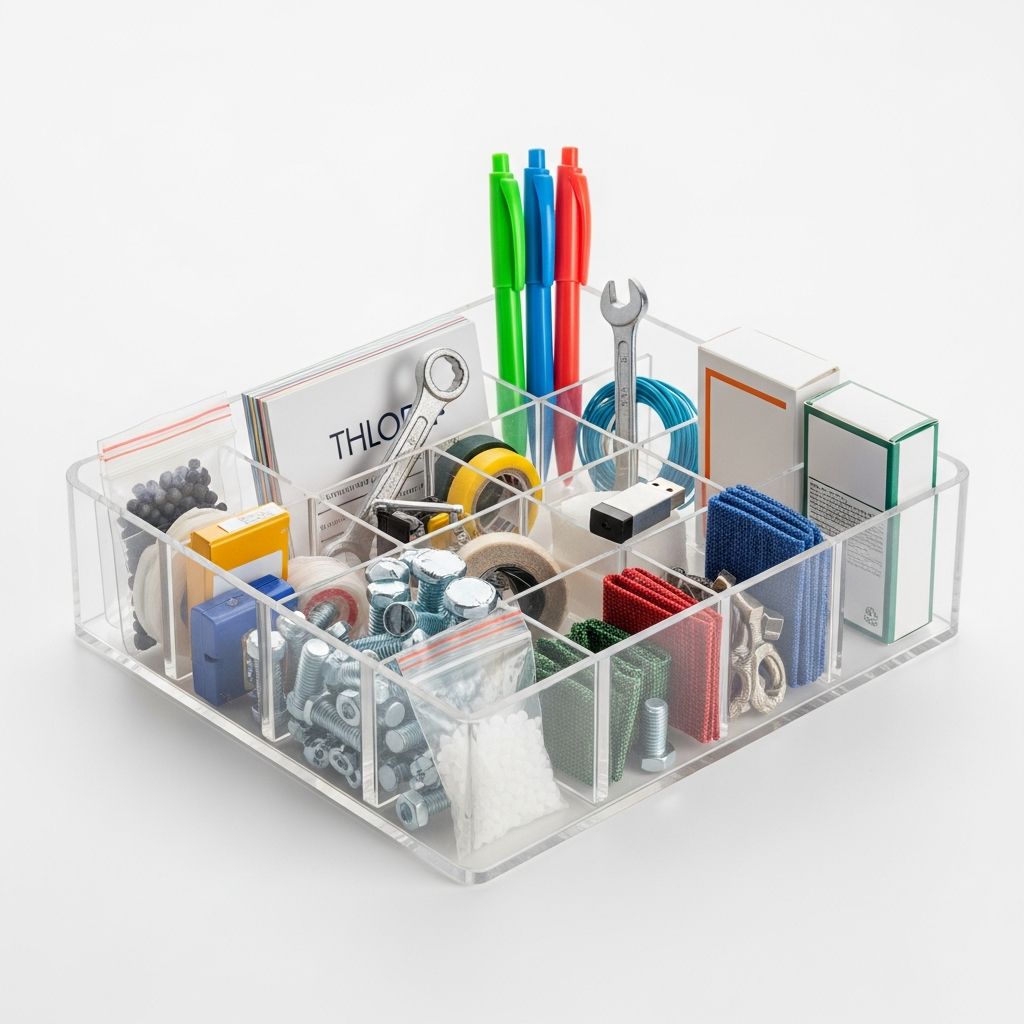
Inventory management is one of the most critical functions that every business must master to thrive in today’s competitive marketplace. Whether you run a small retail shop, a growing e-commerce store, or a large manufacturing operation, how you manage your inventory directly impacts your bottom line, operational efficiency, and customer satisfaction. Many business owners underestimate the complexity and importance of inventory management, treating it as a simple task of counting stock and reordering products when supplies run low. However, effective inventory management is far more strategic and multifaceted than that. It requires understanding demand patterns, optimizing stock levels, utilizing technology, and coordinating across multiple business functions to ensure your company has the right products in the right quantities at the right time.
What Is Inventory Management?
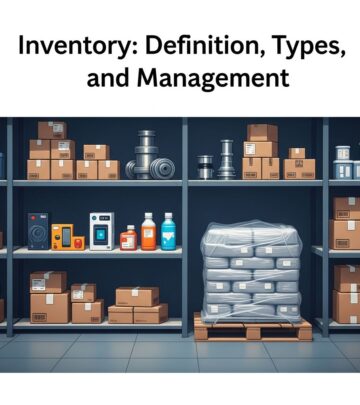
At its core, inventory management is the process of ordering, storing, tracking, and managing your company’s inventory of products or materials. This includes monitoring stock levels in real-time, forecasting demand, managing supplier relationships, and ensuring products are available when customers need them. Inventory management encompasses everything from the moment a product arrives at your warehouse or store to the moment it leaves the customer’s hands. It involves coordinating between purchasing departments, warehouse staff, sales teams, and customer service representatives to ensure smooth operations throughout the supply chain.
Modern inventory management goes beyond simple stock counting. It involves leveraging technology platforms and software systems that provide real-time visibility into stock levels, automate routine tasks, and generate insights that drive better business decisions. An effective inventory management system tracks products through every stage of the supply chain, monitors movement patterns, identifies slow-moving items, and alerts managers when stock levels fall below predetermined thresholds.
Key Benefits of Inventory Management
Improved Financial Performance
One of the most significant benefits of effective inventory management is its positive impact on your company’s financial performance. When inventory is well managed, your organization optimizes cash flow and reduces unnecessary expenses associated with storage and handling. Properly managed inventory means products are available when needed, which eliminates costly expedited shipping charges that occur when you must rush to replenish unexpectedly empty reserves.
Inventory management also reduces the amount of capital tied up in excess stock. By understanding stock trends and maintaining optimal inventory levels, businesses can keep less inventory at each location while still fulfilling customer orders efficiently. This approach decreases the total costs associated with inventory investment and minimizes the amount of stock that becomes obsolete before it can be sold, directly improving your profitability.
Enhanced Operational Efficiency
Companies that know exactly what products they have in stock and where those products are located run significantly more smoothly than those relying on guesswork or outdated information. The entire supply chain benefits when inventory management is efficient, with shorter lead times and the elimination of bottlenecks that can disrupt production, distribution, and fulfillment processes. When operations run smoothly, decision-makers can refine workflows, identify waste, and allocate resources more effectively toward growth and innovation.
Efficient inventory management also reduces the need for constant manual intervention and attention to routine tasks. Modern inventory management systems can automate most tedious processes, allowing entrepreneurs and supply chain personnel to focus on strategic activities that drive business growth.
Increased Customer Satisfaction
Customers expect to find the products they want in stock and available for immediate purchase or fast delivery. Robust inventory management results in your business consistently meeting these consumer expectations. When you maintain proper inventory levels and can fulfill every order without delays or backorders, you build trust and loyalty with your customer base. Customers also appreciate transparency regarding product availability and delivery timelines, and real-time inventory systems enable you to provide accurate information about when products will be available.
Prevention of Overselling and Stockouts
Poor inventory management creates serious operational problems. When a business lacks accurate inventory visibility, it risks accepting more orders than it has products available to ship, resulting in disappointed customers and refund requests that damage reputation and profitability. Conversely, stockouts occur when demand exceeds supply, forcing customers to seek alternatives from competitors. An efficient inventory management system prevents both problems by maintaining real-time visibility of stock levels and ensuring minimal errors in inventory tracking.
Cost Reduction Through Inventory Management
Minimizing Storage Expenses
Storage and warehousing represent significant expenses for most businesses. Many companies keep inventory in rented or leased storage space, making overstocking particularly costly. When you can accurately track inventory across multiple locations and pull products from anywhere to fulfill orders, you reduce the need to maintain excess stock at each location. This strategy significantly decreases storage-related expenses while improving flexibility in how you manage your distributed inventory.
Reducing Labor Costs
Excess inventory requires additional labor for storage, management, and organization. With automated inventory management systems, businesses can reduce the number of personnel dedicated to manual inventory counting and management tasks. These employees can then be reallocated to other areas of the business that directly contribute to revenue generation or customer experience improvements, optimizing your workforce investment and operational costs.
Preventing Dead Stock and Obsolescence
Effective inventory control directly contributes to cost management by identifying slow-moving stock and preventing dead inventory that ties up capital without generating returns. By analyzing historical data and sales trends, businesses can make informed decisions about inventory replenishment, avoiding unnecessary stock buildup of products that don’t sell quickly while meeting customer demand for popular items.
Supply Chain Optimization
Demand Forecasting and Planning
A well-managed inventory control system plays a critical role in overall supply chain optimization. By integrating demand forecasting with inventory cost management, companies can align supply with customer demand, reducing delays and improving customer satisfaction. Accurate demand forecasting enables businesses to maintain optimal stock levels that satisfy customer needs without creating excess inventory. When you understand demand patterns, you can coordinate with suppliers more effectively and negotiate better terms while maintaining service levels.
Improved Coordination Between Locations
For businesses operating multiple warehouses or retail locations, inventory management systems provide unprecedented visibility and coordination capabilities. When one location runs low on a particular product, the system can identify which other locations have inventory available, enabling efficient product transfers between sites. This coordination reduces unnecessary orders from suppliers while ensuring all locations maintain adequate stock levels, ultimately reducing costs and improving the overall sales process.
Streamlined Picking and Distribution Processes
Well-organized inventory enables faster order fulfillment. When products are categorized strategically and inventory locations are clearly documented, warehouse staff can locate and pick items more quickly and accurately. This efficiency translates to faster shipping times, lower fulfillment costs, and improved customer satisfaction through quicker delivery.
Better Business Insights and Decision-Making
Real-Time Data and Analytics
Modern inventory management systems provide managers with real-time data about stock levels, product movement, and demand cycles. This information supports better decision-making around procurement, inventory reduction strategies, and stock level optimization. With accurate, real-time data, managers can quickly respond to changes in demand, adjust purchasing patterns, and capitalize on market opportunities more rapidly than competitors who rely on outdated information.
Cross-Functional Visibility
A central ERP system integrated with inventory management software provides enterprise-wide visibility into inventory status. This transparency benefits multiple business functions: the sales department can better plan sales strategies, the marketing team can develop campaigns around available inventory, and the accounting function can maintain accurate books knowing inventory status and associated costs. Almost every business function benefits from knowing the current state of inventory.
Performance Tracking and Optimization
Good inventory management significantly boosts insights by providing accurate, real-time data and analytics capabilities that lead to better decision-making and enhanced operational efficiency. Businesses can track various inventory-related key performance indicators to measure performance and optimize processes. By analyzing product performance data, companies can identify trends, adjust purchasing strategies, and make informed decisions about product mix and supplier relationships.
Cash Flow Management
Effective inventory management directly impacts your company’s cash flow, one of the most critical factors for business sustainability. When you optimize order quantities and prevent over-purchasing, you free up cash that can be used for other operational needs and strategic investments. By maintaining proper inventory levels, businesses avoid tying up funds in excess stock that doesn’t generate immediate returns. This approach enhances overall cash flow, enabling companies to allocate resources more efficiently, strengthen their ability to grow, and adapt to market changes while optimizing their inventory management techniques for sustained success and competitiveness.
Scalability and Business Growth
Supporting Expansion Without Compromising Efficiency
Efficient inventory management systems can scale with your business, supporting growth and expansion without compromising operational efficiency. Small businesses can adapt more quickly to changes in demand or market conditions with agile inventory practices and scalable systems. As your business grows and you add new products, locations, or distribution channels, your inventory management system grows with you, maintaining accuracy and efficiency throughout your expansion.
Flexibility to Meet Market Demands
A robust inventory management system enables businesses to respond rapidly to market changes and unexpected demand spikes. An especially efficient inventory manager takes into account possible upticks in sales and keeps extra inventory on standby with vendors in case an emergency stock-up is required. This flexibility allows you to capitalize on opportunities and weather unexpected challenges without disrupting normal operations.
Risk Management and Compliance
Product Tracking and Traceability
Comprehensive inventory management systems track each component or product from delivery through final sale or use. This traceability is valuable for quality control and reduces liability if a recall becomes necessary, as every material or product in the system is trackable and can be quickly identified and located. For businesses in regulated industries, this level of documentation and traceability is essential for compliance with legal and regulatory requirements.
Loss Prevention
Well-organized and accurately tracked inventory reduces theft, damage, and loss. When you know exactly what you have and where it’s located, discrepancies become immediately apparent, allowing you to investigate and address issues before they become significant problems.
Technology Solutions for Inventory Management
Modern ERP Systems
Modern solutions like enterprise resource planning (ERP) systems integrate inventory management with financials, sales, and supply chain modules. This provides a unified view of operations, ensuring businesses can achieve end-to-end efficiency and maintain control across departments. ERP systems serve as the central hub for all inventory-related information and transactions, reducing silos and improving communication between business functions.
Warehouse Management Systems
Advanced warehouse management software (WMS) tracks SKUs from the warehouse floor to a customer’s doorstep, providing comprehensive visibility throughout the fulfillment process. These systems optimize warehouse layouts, streamline picking and packing processes, and reduce errors in order fulfillment.
Automation and Artificial Intelligence
Artificial intelligence has advanced inventory management significantly, enabling businesses to automate most tedious inventory management processes. When an order arrives, software can automatically check if inventory is available, approve or decline the order, and push it forward toward fulfillment, reducing manual work and human error.
Frequently Asked Questions
Q: Why is inventory management important for small businesses?
A: Inventory management is particularly important for small businesses because it directly impacts cash flow, reduces unnecessary expenses, prevents costly overselling situations, and enables efficient use of limited resources. Small businesses often operate with tighter margins, so optimizing inventory levels and reducing waste is essential for profitability and survival.
Q: How can inventory management improve customer satisfaction?
A: Proper inventory management ensures products are in stock when customers want them, preventing frustrating stockouts and backorders. It also enables transparency about product availability and delivery timelines, building trust with customers. When businesses consistently fulfill orders on time and accurately, customer satisfaction increases significantly.
Q: What are the main costs associated with poor inventory management?
A: Poor inventory management leads to multiple costly problems: excess storage expenses for overstocked items, increased labor costs to manage excess inventory, obsolescence losses when products expire or become outdated, expedited shipping costs to cover unexpected stockouts, and lost sales when products aren’t available when needed.
Q: How does real-time inventory tracking help businesses?
A: Real-time inventory tracking provides businesses with immediate visibility into stock levels, product movement, and location information. This enables faster decision-making, prevents stockouts and overstocking, allows for more efficient coordination between multiple locations, and provides accurate information to share with customers about availability and delivery times.
Q: What role does demand forecasting play in inventory management?
A: Demand forecasting helps businesses predict future customer needs based on historical data and sales trends. Accurate forecasting enables companies to maintain optimal inventory levels that satisfy demand without creating excess stock, improve supplier coordination, negotiate better purchasing terms, and allocate resources more efficiently.
Q: How can inventory management systems help with business growth?
A: Scalable inventory management systems grow with your business, supporting expansion into new locations, product categories, or distribution channels without compromising efficiency. They enable rapid response to market changes and demand fluctuations, freeing up management time to focus on strategic growth activities rather than routine inventory tasks.
References
- What Is Inventory Management? Benefits, Types, & Techniques — NetSuite. 2025. https://www.netsuite.com/portal/resource/articles/inventory-management/inventory-management.shtml
- 7 Reasons Inventory Control is Important for Businesses — MS Dynamics World. 2025. https://msdynamicsworld.com/blog-post/7-reasons-inventory-control-important-businesses
- Major Benefits of Using an Inventory Management System — Field Fastener. 2025. https://www.fieldfastener.com/blog/major-benefits-of-using-an-inventory-management-system
- Top 10 Benefits of Inventory Management for Small Businesses — Expertise Accelerated. 2025. https://expertiseaccelerated.com/benefits-of-inventory-management-for-small-businesses/
- 10 Benefits of Using an Inventory Management System — Indeed Career Advice. 2025. https://www.indeed.com/career-advice/career-development/benefits-of-using-inventory-management-systems
- Inventory Management Techniques And Their Benefits — Inbound Logistics. 2025. https://www.inboundlogistics.com/articles/inventory-management-techniques/
- Importance of Real-Time Inventory Management in Modern Business — Meteor Space. 2024-11-04. https://www.meteorspace.com/2024/11/04/the-importance-of-real-time-inventory-management-in-modern-business/
Similar Articles








Read full bio of medha deb