Sole Proprietorship: Definition, Advantages and Disadvantages
Complete guide to sole proprietorships: structure, benefits, risks, and tax implications for entrepreneurs.
What is a Sole Proprietorship?
A sole proprietorship is an unincorporated business entity owned and operated by a single individual. It represents the simplest and most straightforward form of business structure available to entrepreneurs. In this arrangement, there is no legal distinction between the owner and the business itself, meaning the proprietor conducts all business activities under their own legal name or a registered trade name.
A sole proprietorship is often referred to as individual entrepreneurship, sole trader, or simply proprietorship. This business structure is the default classification for any self-employed individual who has not formally registered as a different business entity such as a corporation or limited liability company. It is the most common type of business structure, particularly among freelancers, consultants, service providers, and small business owners.
The defining characteristic of a sole proprietorship is the complete absence of legal separation between the owner’s personal identity and the business identity. This fundamental aspect shapes virtually every other attribute of this business structure, from tax treatment to liability exposure to operational flexibility.
Key Characteristics of Sole Proprietorships
Understanding the core characteristics of a sole proprietorship is essential for anyone considering this business structure:
- Single Ownership: Only one individual can own a sole proprietorship. This person bears complete responsibility for all business decisions and operations.
- Ease of Formation: Starting a sole proprietorship requires minimal formal procedures, making it the fastest and least expensive business structure to establish.
- No Legal Separation: The proprietor and the business are the same legal entity. This creates significant implications for taxes, liability, and asset protection.
- Full Control: The owner retains complete control over all aspects of the business, including production, sales, marketing, finance, and personnel decisions.
- Direct Profit Distribution: All net profits from the business flow directly to the owner without any corporate-level taxation.
- Unlimited Liability: The owner is personally liable for all business debts and obligations, with creditors able to pursue personal assets.
Advantages of Sole Proprietorships
Easy and Inexpensive to Establish
One of the most significant advantages of a sole proprietorship is the minimal complexity and cost associated with its formation. Unlike partnerships or corporations, which require formal documentation, registration fees, and compliance with various regulatory requirements, a sole proprietorship can begin with relatively little bureaucratic intervention. An individual can simply start conducting business in their own name or register a trade name with local authorities at minimal expense. This accessibility makes sole proprietorships particularly attractive to entrepreneurs with limited startup capital or those testing business concepts.
Complete Autonomy and Control
Sole proprietors enjoy absolute control over their business operations. They make all strategic decisions, determine operational procedures, set pricing, manage personnel, and control financial matters without needing approval from partners, boards of directors, or shareholders. This autonomy allows entrepreneurs to implement their vision quickly and adapt to market changes without navigating complex decision-making processes. For many business owners, this level of control is a primary motivation for choosing this business structure.
Flexible Tax Treatment
Sole proprietorships benefit from what is known as “pass-through” taxation. Business income is not taxed at the business level; instead, it passes through to the owner’s personal tax return. This approach typically results in only one layer of taxation, avoiding the double taxation that corporations face. Proprietors simply report business income and expenses on their personal tax returns and pay individual income taxes on the net profit. This simplified tax structure can result in lower overall tax liability and reduced accounting complexity compared to corporate structures.
Direct Access to All Profits
Since there is no legal separation between the owner and the business, the proprietor retains 100 percent of all business profits. There are no corporate profits retained within the business entity or distributed to shareholders. All earnings belong directly to the owner, providing a clear financial incentive for business growth and success. This direct profit access simplifies personal financial planning and allows owners to reinvest earnings as they see fit.
Minimal Regulatory Burden
Sole proprietorships face significantly fewer regulatory requirements than larger enterprises, corporations, or public companies. They are not subject to extensive financial disclosure requirements, complex compliance procedures, or the administrative overhead associated with corporate governance. This reduced regulatory burden means lower compliance costs, less paperwork, and more time focused on actual business operations rather than administrative tasks.
Disadvantages of Sole Proprietorships
Unlimited Personal Liability
The most significant disadvantage of a sole proprietorship is unlimited personal liability. Because the business and owner are not legally distinct entities, the proprietor is personally responsible for all business debts, obligations, and liabilities. If the business cannot satisfy its financial obligations, creditors can pursue the owner’s personal assets, including bank accounts, investments, real estate, and personal property. This means a business failure could result in personal financial ruin. This liability exposure is often outlined in legal documents such as promissory notes signed with lenders.
Limited Access to Capital
Sole proprietors face significant constraints in raising business capital. They cannot issue shares or ownership interests to raise funds, limiting their financing options to personal savings, bank loans, or other debt arrangements. Individual borrowing capacity is typically more limited than corporate borrowing capacity, and lenders may impose higher interest rates due to increased perceived risk. Additionally, the proprietor’s personal financial resources establish an upper limit on business investment and growth potential.
Business Continuity Challenges
A sole proprietorship is fundamentally dependent on the proprietor’s continuous involvement. If the owner becomes ill, injured, or unavailable, the business operations may halt. While a family member or trusted employee might temporarily manage the business in cases of brief absences, there is no permanent successor structure. Business interruption insurance may help cover some expenses during longer-term disruptions, but it cannot replace the proprietor’s actual work. In the event of the owner’s death, the business ceases to exist as a legal entity.
Difficulty Transferring Ownership
Sole proprietorships lack a separate legal identity that can be transferred. The business value is inherently tied to the proprietor’s skills, reputation, and relationships. To sell a sole proprietorship, the owner must find a buyer with comparable skills willing to pay for the goodwill the proprietor has accumulated. If no suitable buyer exists, the proprietor may pass the business to a family member or trusted employee, but this succession often proves challenging. The lack of a transferable business entity makes sole proprietorships difficult to sell as ongoing concerns.
Skill and Knowledge Limitations
The proprietor must be “good enough” at all aspects of business operations. Without the ability to hire specialized managers or delegate extensively, the owner bears responsibility for production, sales, marketing, financial management, personnel decisions, and customer service. If the proprietor lacks expertise in critical business areas, poor decision-making may result. There are practical limits to one person’s time and capability to master all necessary business functions, which can constrain business growth and effectiveness.
Limited Growth Potential
Capital constraints and the proprietor’s limited time restrict growth potential. Business expansion requires significant capital investment, which is difficult to obtain without the ability to raise equity financing. Additionally, if business requirements exceed the proprietor’s available resources or financing capacity, growth becomes constrained. The owner must carefully manage working capital and may need to limit acquisition of fixed assets, restricting the business’s ability to scale.
Tax Treatment of Sole Proprietorships
The tax treatment of sole proprietorships significantly influences their appeal to small business owners. Sole proprietors report all business income and expenses on Schedule C of their personal income tax return. Net business profit is subject to individual income tax at the proprietor’s marginal tax rate. Additionally, self-employed individuals must pay self-employment taxes (Social Security and Medicare taxes) on net business earnings, typically calculated as approximately 15.3 percent of net self-employment income.
Proprietors can deduct legitimate business expenses from gross revenue, including home office deductions, equipment costs, supplies, insurance, professional services, and other ordinary business expenses. Making regular estimated tax payments throughout the year helps proprietors avoid penalties and manage their tax burden effectively. Tax advisors can assist proprietors in estimating quarterly tax obligations and setting aside sufficient profits to meet government tax payment requirements.
Liability and Asset Protection
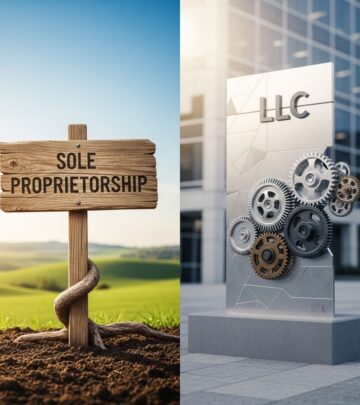
The liability structure of sole proprietorships creates significant personal risk. Unlike limited liability companies or corporations, which provide liability protection shielding personal assets from business creditors, sole proprietors have no such protection. Personal assets are fully exposed to business claims and creditor actions. This unlimited liability is a critical distinction from other business structures and should weigh heavily in the decision to operate as a sole proprietorship versus forming a more protective business entity.
Sole Proprietorship vs. Other Business Structures
| Characteristic | Sole Proprietorship | Partnership | LLC | Corporation |
|---|---|---|---|---|
| Number of Owners | One | Two or more | One or more | One or more |
| Ease of Formation | Very Easy | Easy | Moderate | Complex |
| Startup Costs | Minimal | Low | Moderate | High |
| Liability Protection | None | Limited | Full | Full |
| Taxation | Pass-through | Pass-through | Flexible | Double |
| Capital Access | Limited | Limited | Moderate | High |
| Regulatory Burden | Minimal | Low | Moderate | High |
Starting a Sole Proprietorship
Establishing a sole proprietorship is straightforward. The primary steps typically include registering a business name (if operating under a name other than the proprietor’s legal name), obtaining necessary licenses and permits specific to the business type and location, opening a business bank account, and establishing accounting systems for tracking income and expenses. Requirements vary by jurisdiction, but generally involve minimal formal registration procedures compared to other business structures.
When to Consider Other Business Structures
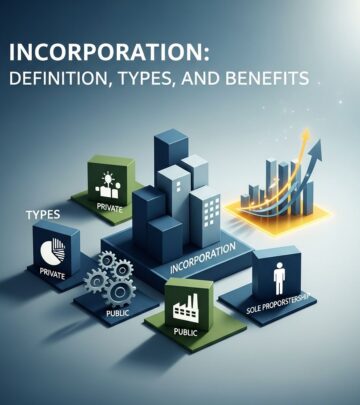
A sole proprietorship may transform into another business structure as the business grows. Proprietors should consider transitioning to an LLC or corporation when business liability exposure becomes significant, when they want to raise capital through equity financing, when they need to hire substantial numbers of employees, or when the business generates substantial profits where tax optimization becomes important. Many entrepreneurs start as sole proprietors and later transition to more complex structures once they have proven their business concept and require greater legal or financial protection.
Frequently Asked Questions
Q: Do sole proprietors need to register their business?
A: Registration requirements vary by jurisdiction. While you can legally operate as a sole proprietor under your legal name with minimal formality, most jurisdictions require registering a trade name if you operate under a business name different from your personal name. You will also need appropriate business licenses and permits specific to your industry and location.
Q: What business types are best suited for sole proprietorships?
A: Sole proprietorships work well for low-liability service businesses such as consulting, freelance work, personal services, small retail operations, and professional services where liability exposure is minimal. They are less suitable for businesses with significant liability risk, capital-intensive operations, or ventures requiring outside investment.
Q: Can a sole proprietor hire employees?
A: Yes, sole proprietors can hire employees. However, the proprietor remains personally liable for all employee-related obligations, including payroll taxes, workers’ compensation, and employment law compliance. Some proprietors prefer to delegate authority to trusted employees, but ultimate accountability remains with the owner.
Q: What happens to a sole proprietorship when the owner dies?
A: A sole proprietorship ceases to exist upon the proprietor’s death. The business cannot continue as a legal entity. However, family members or designated individuals may continue operating the business by establishing their own sole proprietorship or forming a different business entity, or the business assets may be sold.
Q: How do sole proprietorships differ from LLCs in terms of liability?
A: Sole proprietorships provide no personal liability protection; the owner is personally responsible for all business debts and obligations. Single-member LLCs, by contrast, provide full liability protection, shielding personal assets from business creditors. This represents the most significant legal distinction between these two business structures.
Q: Are sole proprietors required to have business insurance?
A: While not legally required in most jurisdictions, business insurance is highly recommended for sole proprietors. General liability insurance, professional liability insurance, and business interruption insurance can protect against significant financial losses from lawsuits, accidents, or operational disruptions.
Q: Can sole proprietors deduct home office expenses?
A: Yes, sole proprietors can deduct home office expenses if they have a dedicated space used exclusively for business purposes. The IRS allows either a simplified method or actual expense method for calculating home office deductions. Proper documentation is essential for substantiating these deductions.
References
- Sole Proprietorship – Definition, Advantages and Disadvantages — Corporate Finance Institute. 2024. https://corporatefinanceinstitute.com/resources/management/sole-proprietorship/
- What is a Sole Proprietorship and How Do They Work? — Bank of America Business. 2024. https://business.bankofamerica.com/en/resources/what-is-sole-proprietorship
- Single-Member LLC vs. Sole Proprietorship — Wolters Kluwer. 2024. https://www.wolterskluwer.com/en/expert-insights/singlemember-llc-vs-sole-proprietorship
Similar Articles








Read full bio of Sneha Tete