Solar Panels For Your Home: 2025 Costs, Savings, Installation
Discover how installing solar panels at home can slash your energy bills, boost home value, and contribute to a greener planet with long-term savings.
Installing
solar panels
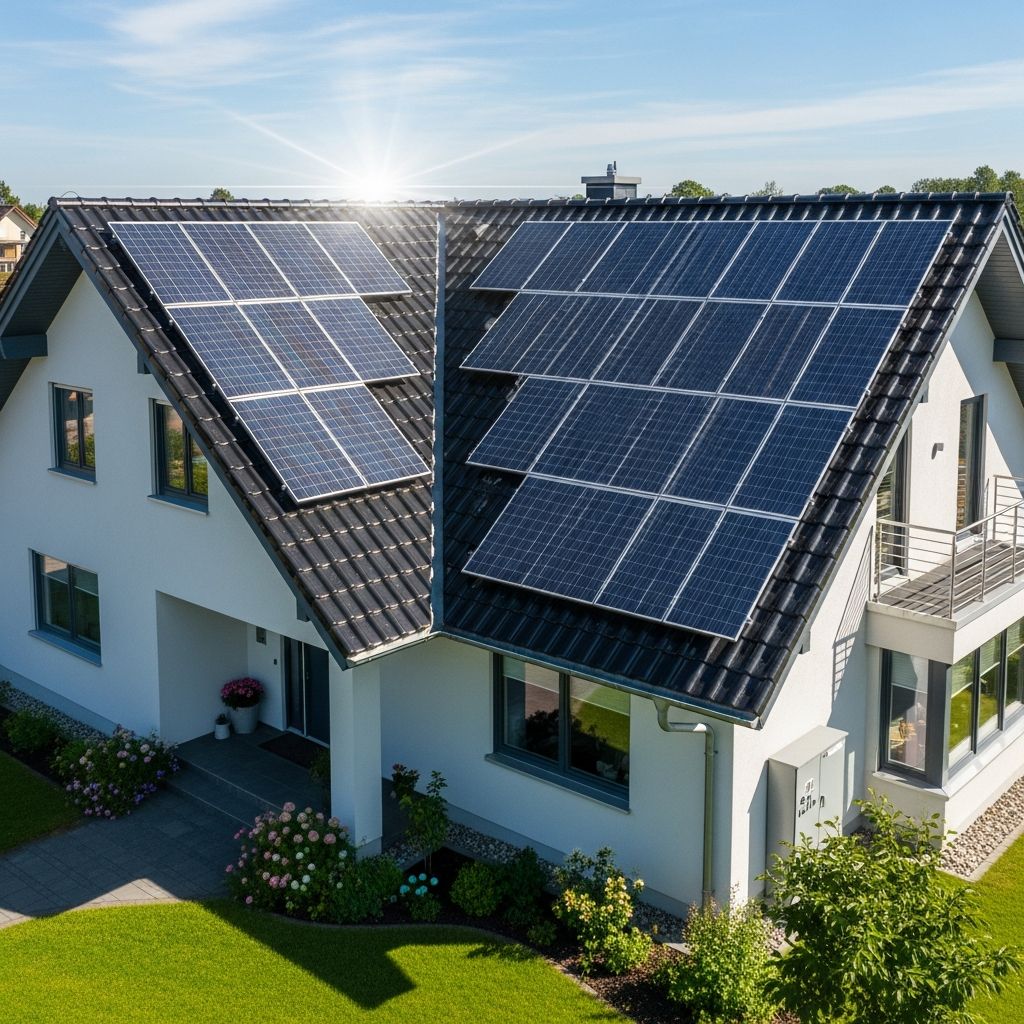
on your home is one of the smartest ways to reduce energy costs, increase property value, and lower your carbon footprint. With advancements in technology and federal incentives, solar energy has become more accessible than ever for homeowners looking to save money over time.Are Solar Panels Worth It?
Solar panels are a worthwhile investment for most homeowners, offering substantial
long-term savings
on electricity bills while providing environmental benefits. The average U.S. household can save thousands annually once panels offset a significant portion of grid electricity use. Payback periods typically range from 6 to 12 years, after which the system generates free power for decades, as panels last 25-30 years or more.Key factors making solar worth it include declining panel costs (down over 80% in the last decade), rising utility rates, and incentives like the federal Investment Tax Credit (ITC). Homes with south-facing roofs and minimal shading see the highest returns. Even in less ideal locations, battery storage and net metering enhance viability.
How Much Do Solar Panels Cost?
The cost of a home solar system varies by size, location, and equipment quality, averaging
$20,000 to $40,000 before incentives
for a typical 6-10 kW setup powering an average home. Per watt, expect $2.50 to $3.50 installed. Larger systems for high-energy homes cost more but yield greater savings.| System Size (kW) | Avg. Cost (Before Incentives) | Est. Annual Savings |
|---|---|---|
| 5 kW | $15,000-$20,000 | $800-$1,200 |
| 7 kW | $20,000-$28,000 | $1,100-$1,700 |
| 10 kW | $25,000-$35,000 | $1,600-$2,400 |
These figures include panels, inverters, mounting, labor, and permitting. Ground-mounted systems or add-ons like batteries increase costs by 20-50%. Shop multiple quotes via platforms like EnergySage to save up to 20%.
Solar Panel Incentives and Rebates
Federal, state, and local
incentives
dramatically reduce upfront costs. TheInflation Reduction Act
extended the ITC at 30% through 2032, covering panels, batteries, and more—no cap on system size.- Federal ITC: 30% tax credit on total cost; e.g., $30,000 system yields $9,000 credit.
- State Rebates: Vary; California offers net metering, New York has NY-Sun incentives.
- Utility Programs: Rebates or performance-based payments in many areas.
- Property Tax Exemptions: Solar doesn’t increase assessed value in 29 states.
Combine with low-interest loans like PACE financing. Check DSIRE database or EnergySage for local options. Incentives can cut net costs by 50% or more.
Financing Options for Solar Panels
Several
financing methods
make solar affordable without large upfront payments.- Cash Purchase: Highest long-term savings; own system outright.
- Solar Loans: Low-interest (3-6%); repay over 10-25 years; claim ITC.
- Leases/PPAs: No upfront cost; pay monthly for power produced (5-7% below utility rates).
- Home Equity Loans/HELOCs: Tax-deductible interest; leverage home value.
Loans or cash maximize savings and ownership benefits like selling excess power. Avoid leases if selling soon, as transfers complicate deals.
How Long Do Solar Panels Last?
Quality
solar panels
last25-40 years
, with 80-90% efficiency after 25 years under warranties. Inverters last 10-15 years. Proper maintenance like cleaning ensures peak performance. U.S. Department of Energy notes most systems produce power for 30+ years.Solar Panels and Home Value
Solar boosts
home value
by 4-6% on average, or $15,000-$20,000 for a typical home, per Lawrence Berkeley Lab studies. Appraisers factor in system age, size, and production. Disclose ownership; leased systems add less value.Steps to Install Solar Panels at Home
Professional installation takes
2-4 months
total, with physical work in 1-3 days. Here’s the process:- Site Assessment: Evaluate roof space, shading, south-facing orientation using ‘3 S’s’ (shade, space, south). Measure energy needs.
- System Design: Customize panels, inverters, racking based on usage (e.g., 1 kW per 1,000 annual kWh).
- Permits & Approvals: Submit building/interconnection permits to city/utility; 2-8 weeks.
- Equipment Delivery: Panels, mounts, inverters arrive.
- Installation: Mount racking/rails, secure panels (tilted 18-36°), wire MC4 connectors, install inverter.
- Inspections & Activation: AHJ/utility verifies safety; grid-tie approved.
- Monitoring Setup: App tracks production.
Hire NABCEP-certified installers for warranties and compliance.
DIY vs. Professional Installation
**DIY solar** suits off-grid or small systems but risks safety, warranties, and permits for grid-tied homes. Pros handle codes, liability insurance. Home Depot notes pros use ‘3 S’ method; DIY needs engineering skills. EnergySage recommends professionals for 99% of installs.
Choosing the Right Solar Installer
Select via reviews, certifications (NABCEP), warranties (25-year panels, 10-year workmanship). Get 3+ quotes; verify licenses/insurance. EnergySage Marketplace vets top firms.
Frequently Asked Questions (FAQs)
What is the average cost of solar panels for a home?
Average
$20,000-$40,000 before incentives
for 6-10 kW systems.Do solar panels increase home value?
Yes, by
4-6%
or $15,000+ on average.How long does solar installation take?
**1-3 days** physically; 2-4 months total with permits.
Are there government rebates for solar?
Yes,
30% federal ITC
plus state/utility incentives.Can I install solar panels myself?
Possible for small/DIY but pros recommended for grid-tied due to codes/safety.
How much can I save with solar panels?
**$20,000-$50,000** over 25 years, depending on system/location.
Ready to go solar? Start with a free quote from certified installers to calculate your savings.
References
- A Pro Guide to Installing Solar Panels — The Home Depot. 2023. https://www.homedepot.com/c/ab/a-pro-guide-to-installing-solar-panels/9ba683603be9fa5395fab90194d945a5
- Solar installation in 4 steps: A guide for homeowners — Enphase. 2024-10-15. https://enphase.com/blog/homeowners/solar-installation-4-steps-guide-homeowners
- Homeowner’s Guide to Solar — U.S. Department of Energy. 2024. https://www.energy.gov/eere/solar/homeowners-guide-solar
- How to Install Solar Panels in 2025 — EnergySage. 2025-01-01. https://www.energysage.com/solar/solar-panel-installation-guide-what-should-you-expect/
Similar Articles








Read full bio of Sneha Tete