Solar Panel Coverage Under Home Insurance
Understanding protection for residential solar installations
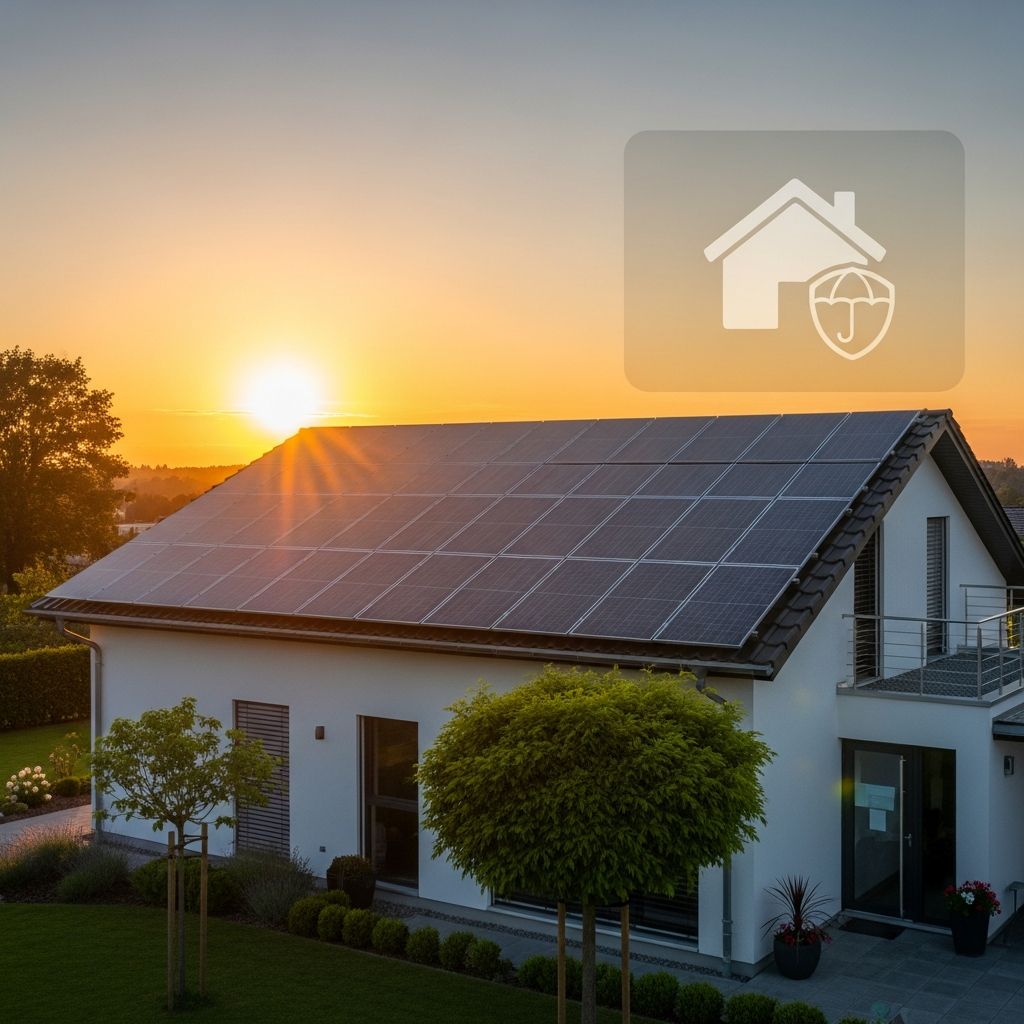
Installing solar panels represents a substantial investment in your home’s energy future, but it also introduces new considerations for your homeowners insurance. Understanding how your existing policy covers these systems—or whether additional protection is necessary—is essential for safeguarding your investment. This guide explores the intersection of solar energy installations and homeowners insurance, helping you make informed decisions about your coverage.
Do Standard Homeowners Policies Include Solar Panel Protection?
The straightforward answer is yes: most homeowners insurance policies do provide coverage for solar panels that are permanently attached to your home. Insurance companies typically classify solar energy systems as permanent improvements or attachments to your property, similar to how they treat features like patios, decks, or built-in security systems. This classification means your solar installation automatically becomes part of your home’s overall coverage structure under standard dwelling coverage provisions.
However, the existence of coverage doesn’t automatically mean comprehensive protection. The extent and limitations of that coverage depend on several factors related to your specific policy, the type of solar installation you have, and the perils covered under your particular plan. Proactive communication with your insurance provider before and after installation is crucial to understanding exactly what your policy includes.
Types of Solar Installations and Their Coverage Classifications
The manner in which your solar panels are installed directly affects how your insurance categorizes and covers them. Different installation methods trigger different coverage provisions within your homeowners policy.
Roof-Mounted Systems and Dwelling Coverage
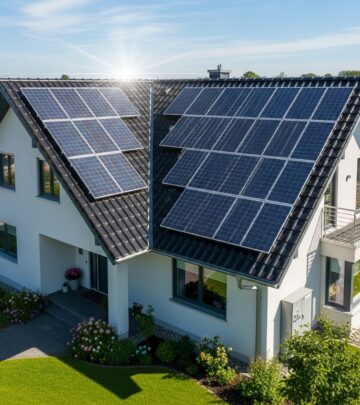
When solar panels are permanently affixed to your home’s roof, they typically fall under the dwelling coverage portion of your homeowners insurance. This coverage protects the structure of your home itself, and since roof-mounted panels are considered an integral part of that structure, they receive the same protection as your roof or walls.
Dwelling coverage generally protects against damage from covered perils such as fire, lightning strikes, theft, vandalism, and damage from falling objects. The key advantage of roof-mounted systems is that they receive protection through your standard policy without requiring additional riders or endorsements in most cases.
Ground-Mounted Systems and Other Structures Coverage
Solar panels installed on the ground away from your home’s main structure—or attached to detached buildings like garages or storage structures—may fall under the “other structures” portion of your homeowners insurance instead. This coverage category typically protects separate structures on your property, such as sheds, detached garages, or pool houses.
An important distinction to understand is that other structures coverage generally provides lower coverage limits than dwelling coverage. Your policy might allocate only 10-15% of your home’s replacement value to other structures, which may not adequately cover the full replacement cost of a ground-mounted solar system. You should verify with your insurance agent whether your ground-mounted panels receive sufficient protection under this category and whether you need to increase the coverage limit or add a specific rider.
Understanding Coverage Limits and Deductibles
Even when your solar panels receive coverage under your homeowners policy, you need to understand the financial parameters of that protection.
Coverage Limits Explained
Your coverage limit represents the maximum dollar amount your insurance company will pay toward a covered loss. For example, if your policy’s dwelling coverage limit is $400,000 and your home’s replacement value with solar panels is $425,000, you may be underinsured. When damage occurs, the insurance company will pay up to the coverage limit, leaving you responsible for any costs exceeding that amount.
Given that residential solar systems cost approximately $29,649 on average, this investment may push your home’s total replacement value above your existing coverage limit. You should review your coverage limits after installing solar panels to ensure they reflect your home’s current value plus the solar system’s replacement cost.
Deductible Considerations
Before your insurance coverage activates to pay for repairs or replacement, you must first satisfy your deductible—the amount you agree to pay out of pocket toward a covered loss. Standard homeowners insurance deductibles typically range from $500 to $2,500, though some policies allow higher or lower amounts depending on your preferences and risk profile.
When solar panel damage occurs, you’ll pay your full deductible before insurance coverage begins. This means that minor damage costing less than your deductible would be your sole responsibility to repair.
Perils Covered and Notable Exclusions
Understanding exactly which types of damage your policy covers is essential for managing expectations about your protection.
Typically Covered Perils
Most homeowners policies cover solar panel damage from the following common perils:
- Fire and smoke damage
- Lightning strikes and electrical damage
- Theft and vandalism
- Damage from falling objects, such as tree branches or debris
- Weight of snow or ice accumulation
Common Coverage Exclusions
Your homeowners policy may specifically exclude coverage for solar panel damage resulting from certain causes:
- Wind and hail damage (in some policies or regions)
- Wear and tear or normal deterioration
- Improper installation or design defects
- Damage from floods or earthquakes (typically excluded unless separate coverage is purchased)
- Maintenance issues or manufacturer defects
- Damage from solar panels that were improperly installed
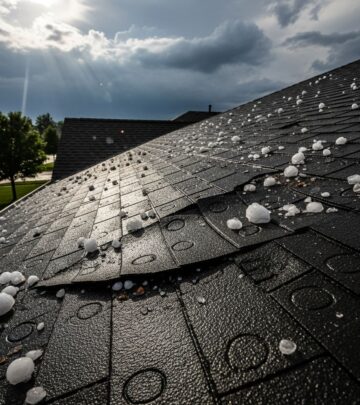
Wind and hail exclusions warrant particular attention because solar panels, being elevated and exposed, face significant vulnerability to these weather events. Depending on your geographic location and local climate patterns, this exclusion could substantially limit your protection. For instance, homeowners in hail-prone regions like the Midwest or tornado-vulnerable areas should carefully verify their policy’s wind coverage before relying on it.
Insurance Premium Changes After Solar Installation
One concern many homeowners have involves potential increases to their insurance premiums following solar panel installation.
When Premiums May Increase
Your homeowners insurance premium is partly calculated based on the replacement value of your home and the amount of coverage you need. When solar panels increase your home’s total replacement value, your insurer may require you to raise your coverage limits to maintain adequate protection. If you do increase your coverage limits, your premium will likely increase proportionally.
However, if the replacement value of your home with solar panels remains under your existing coverage limit, you may be able to maintain your current premium without increases. This depends on your specific policy and your insurer’s assessment of the system’s replacement cost.
Actual Premium Impact
For homeowners who do experience premium increases, the actual dollar amount varies widely. Some homeowners see increases as modest as $15 monthly, while others may experience increases of several hundred dollars per month, depending on the solar system’s cost and their current coverage limits. On average, however, the insurance premium increase tends to be modest compared to the long-term energy savings solar panels generate.
The average U.S. homeowner saves between $37,000 and $148,000 on electricity costs over 25 years with solar panels, meaning insurance adjustments represent a relatively small portion of the overall financial benefit.
Special Circumstances: Leased and Owned Systems
Whether you own or lease your solar panels affects insurance responsibilities and coverage considerations.
Owned Solar Systems
When you own your solar panel system outright or through financing, you hold responsibility for maintaining and insuring it. Your homeowners insurance covers your owned system as part of your property, and you decide when and how to increase coverage as needed.
Leased Solar Systems
If your solar panels are leased from a solar company, the leasing company retains ownership of the equipment. This means the solar company bears responsibility for maintaining and insuring the panels themselves. You typically don’t need to add your leased panels to your homeowners insurance because the leasing company’s insurance covers them. However, you should verify this with both your insurance agent and your solar lease agreement to confirm the insurance arrangement.
Steps to Optimize Your Solar Panel Insurance Coverage
Taking proactive steps ensures you maintain adequate protection for your solar investment:
- Notify your insurer before installation: Contact your insurance agent before your solar panels are installed to discuss your plans and confirm coverage details.
- Review your current coverage limits: Assess whether your existing dwelling coverage limit accommodates the solar system’s replacement value.
- Request a formal coverage review: Ask your agent to conduct a comprehensive review of your policy and recommend appropriate coverage adjustments.
- Understand all exclusions: Obtain written documentation of any perils excluded from your coverage, particularly wind and hail damage.
- Consider additional riders: If your policy has gaps in solar panel coverage, explore whether your insurer offers specific solar endorsements or riders.
- Explore specialized solar insurance: If your standard policy doesn’t adequately cover your solar system, separate solar insurance from specialized providers may fill coverage gaps.
- Document the installation: Maintain detailed records, photos, and documentation of your solar installation for insurance purposes.
Geographic and Environmental Considerations
Your geographic location influences which perils pose the greatest risk to your solar panels and what coverage you prioritize. Homeowners in Arizona may have minimal hail risk but should consider monsoon and dust storm impacts. Midwest homeowners face greater tornado and hail risks. Coastal residents need to consider hurricane damage. Those in seismically active regions should evaluate earthquake coverage separately, as standard homeowners policies typically exclude earthquake damage.
Your insurance agent can help you assess location-specific risks and recommend appropriate coverage levels based on your area’s climate patterns and natural disaster history.
Frequently Asked Questions About Solar Panel Insurance
Will my homeowners insurance automatically cover my solar panels?
Most policies do include coverage for permanently attached solar panels, but you should notify your insurer about the installation to confirm coverage and discuss any necessary policy adjustments.
Do I need separate solar insurance?
Separate solar insurance may be beneficial if your homeowners policy excludes important perils like wind damage or if your coverage limits are insufficient. Specialized solar providers can address these gaps.
What happens if my solar panels are damaged by wind?
This depends on your specific policy. Many policies exclude wind damage unless you’ve specifically added wind coverage. Check your policy language carefully.
How much does solar panel installation increase insurance premiums?
Increases vary widely but typically range from $15 to several hundred dollars monthly, depending on your system’s cost and coverage adjustments.
Are leased solar panels covered by my homeowners insurance?
Leased panels are typically insured by the leasing company, not your homeowners policy. Verify coverage details in your lease agreement.
References
- Are Solar Panels Covered by Homeowners Insurance? — Allstate. Accessed March 31, 2026. https://www.allstate.com/resources/home-insurance/solar-panels
- Does Home Insurance Cover Solar Panels? — Progressive. Accessed March 31, 2026. https://www.progressive.com/answers/does-home-insurance-cover-solar-panels/
- Does Homeowners Insurance Cover Solar Panels? 2025 Guide — Solar Reviews. Accessed March 31, 2026. https://www.solarreviews.com/blog/solar-panel-insurance-a-guide-to-home-insurance-for-solar
- Solar Panels and Home Insurance: A Sunshine Coverage Check — EnergySage. Accessed March 31, 2026. https://www.energysage.com/solar/solar-panels-affect-home-insurance/
- Does Home Insurance Cover Solar Panels? — GEICO. Accessed March 31, 2026. https://www.geico.com/information/aboutinsurance/homeowners/does-home-insurance-cover-solar-panels/
- Does Homeowners Insurance Cover Solar Panels? — Nationwide. Accessed March 31, 2026. https://www.nationwide.com/lc/resources/home/articles/solar-panel-insurance
- Solar Panels and Homeowners Insurance Guide — Palmetto. Accessed March 31, 2026. https://palmetto.com/solar/homeowners-insurance-and-solar-panels-guide
Similar Articles








Read full bio of Sneha Tete