Social Security SSI Payments October 2025
Understanding SSI payment schedules and changes for October 2025 benefits.
Social Security SSI Payments in October 2025: What You Need to Know
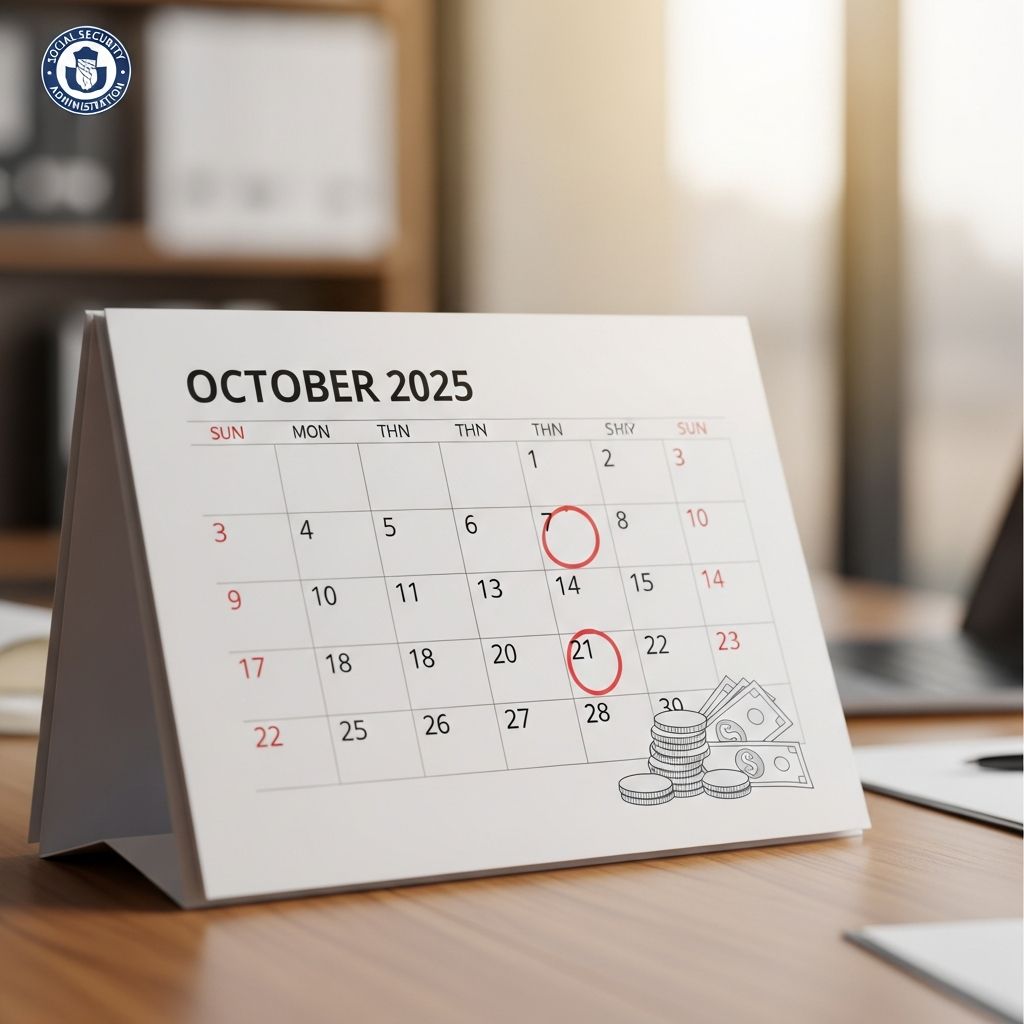
The Social Security Administration (SSA) manages benefit payments for millions of Americans each month, and October 2025 brings a unique scheduling situation that many recipients should understand. Due to how the calendar aligns this year, recipients of Supplemental Security Income (SSI) will experience something unusual: receiving two payments within the same month. However, it’s important to clarify that this is not an extra payment—rather, it’s a consequence of how the SSA schedules payments based on federal holidays and weekends.
Understanding the Double Payment in October 2025
The SSA ordinarily disburses SSI payments on the first of each month. However, when October 1st falls on a Wednesday, the payment schedule proceeds normally. In this case, SSI beneficiaries will receive their October payment on Wednesday, October 1, 2025. Additionally, because November 1, 2025 falls on a Saturday, the SSA will advance November’s SSI payment to the last business day of October, which is Friday, October 31, 2025.
This scheduling quirk means that SSI recipients will see two deposits in October, but they represent two separate months of benefits—October’s regular payment and November’s early payment due to the weekend scheduling rule. Recipients should budget accordingly, understanding that while they receive payments twice in October, they will not receive a payment in early November as the November benefit will have already been paid on October 31st.
SSI Payment Basics and Eligibility
Supplemental Security Income differs from standard Social Security retirement benefits. The SSI program provides monthly payments to eligible older adults who have little or no income, as well as to disabled and blind individuals. The program serves as a crucial safety net for vulnerable populations, ensuring they have access to basic living expenses and necessities.
As of September 2025, more than 68 million Americans were receiving Social Security benefits, with approximately 390,000 individuals, or about 0.6% of that figure, receiving paper checks. The vast majority of beneficiaries use direct deposit or other electronic payment methods to receive their benefits.
Payment Schedule for 2025
For recipients receiving standard Social Security retirement benefits (not SSI), payments are distributed based on birth date:
| Birth Date Range | Payment Day |
|---|---|
| 1st–10th of the month | Second Wednesday |
| 11th–20th of the month | Third Wednesday |
| 21st–31st of the month | Fourth Wednesday |
For SSI recipients who also receive Social Security, or those who received Social Security before May 1997, Social Security payments are made on the 3rd of the month, while SSI payments are made on the 1st.
Maximum Benefit Amounts for 2025
The maximum federal SSI benefit amounts for 2025 reflect a 2.5% cost-of-living adjustment (COLA) increase that became effective January 1, 2025. These amounts vary based on living situation and household composition:
| Living Situation | Individual Benefit | Couple Benefit |
|---|---|---|
| Living Alone | $967 | $1,450 |
| Living with Others | $967 | $1,450 |
| Living in Household of Another | $644.67 | $966.67 |
State supplements may also apply depending on where beneficiaries reside. New York State, for example, provides additional state-funded supplements to aged, blind, and disabled individuals.
Changes to Payment Methods
A significant change took effect at the end of September 2025 following a Trump administration order requiring all federal payments to transition to electronic transfers. The SSA discontinued paper checks as of this date, with very limited exceptions. This modernization effort aims to improve efficiency and reduce fraud while ensuring that beneficiaries receive their payments securely and reliably.
Beneficiaries now have several options for receiving their benefits:
– Direct deposit to a bank account- Direct Express debit card transfers- Electronic transfers through authorized financial institutions
For those without traditional bank accounts, Direct Express cards offer a secure alternative to manage their benefits and access funds.
How to Enroll in Direct Deposit
The SSA provides multiple convenient methods for beneficiaries to set up or manage their direct deposit arrangements:
– Visit the My Social Security online platform and enroll directly through the portal- Call the SSA directly to speak with a representative about direct deposit options- Contact the Treasury Department’s electronic payment solution center for assistance- Visit a local financial institution in person to enroll through your bank or credit union
These options ensure that beneficiaries can choose the enrollment method that works best for their circumstances, whether they prefer online, phone, or in-person assistance.
2026 Cost-of-Living Adjustment Announcement
Looking ahead to 2026, the SSA announced a 2.8 percent cost-of-living adjustment (COLA) for Social Security benefits, which will benefit nearly 71 million Social Security beneficiaries. This represents an increase from the 2.5 percent COLA implemented in 2025. Over the past decade, the average COLA increase has been approximately 3.1 percent.
The increased SSI payments will begin on December 31, 2025, allowing recipients to see the benefit of the adjustment as they enter the new year. Beneficiaries will begin receiving notification letters from the SSA in early December 2025 regarding their new benefit amounts for 2026.
Updated Maximum SSI Payment Amounts for 2026
With the 2.8 percent COLA adjustment, the monthly maximum federal SSI payment amounts for 2026 will be:
| Recipient Type | 2026 Maximum Amount |
|---|---|
| Eligible Individual | $994 |
| Eligible Individual with Spouse | $1,491 |
| Essential Person | $498 |
Additionally, the maximum amount of earnings subject to Social Security tax will increase to $184,500 from $176,100, reflecting the increase in average wages.
Important Reminders for Beneficiaries
If you do not receive your expected payment on the scheduled date, the SSA recommends allowing three additional mailing or processing days before contacting Social Security. This grace period accounts for potential delays in electronic processing or mail delivery. If your payment still has not arrived after this period, you should reach out to the SSA directly to investigate the status of your benefit.
Beneficiaries should remain aware of their specific payment dates based on their birth date (for Social Security retirement benefits) or payment category (for SSI), as changes to the calendar or federal holidays may occasionally affect when payments are distributed. Maintaining current contact information with the SSA and regularly monitoring your My Social Security account can help you stay informed about any changes to your payment schedule.
Frequently Asked Questions About SSI Payments
Q: Why am I receiving two SSI payments in October 2025?
A: Due to how the 2025 calendar aligns, SSI beneficiaries receive their October payment on October 1st and their November payment on October 31st (since November 1st falls on a Saturday). This is not an extra payment but rather a shift in when November’s payment is disbursed.
Q: What is the difference between SSI and regular Social Security benefits?
A: SSI (Supplemental Security Income) is a needs-based program for elderly, blind, and disabled individuals with limited income and resources. Regular Social Security is an earned benefit based on work history and contributions.
Q: Can I still receive paper checks for my SSI benefits?
A: As of September 2025, the SSA has discontinued paper checks for the vast majority of beneficiaries. You must use direct deposit or a Direct Express card to receive your benefits.
Q: How do I set up direct deposit for my SSI payments?
A: You can enroll in direct deposit through My Social Security online, by calling the SSA, contacting the Treasury Department’s payment center, or visiting your financial institution in person.
Q: What is the maximum SSI payment amount for 2025?
A: For an individual living alone in 2025, the maximum federal SSI payment is $967 per month. For a couple, it is $1,450 per month. These amounts include the 2.5% COLA adjustment.
Q: When will I see the 2026 COLA increase in my SSI payments?
A: The 2.8 percent COLA increase for 2026 will begin on December 31, 2025, with increased SSI payments starting that date. You will receive notification of your new benefit amount in early December 2025.
Q: What should I do if I don’t receive my payment on the expected date?
A: Allow three additional days for processing before contacting Social Security. If your payment still hasn’t arrived, reach out to the SSA directly to investigate the status of your benefit.
References
- Social Security recipients getting double payments this October due to calendar scheduling quirk — Fox Business. 2025-10-01. https://www.foxbusiness.com/economy/social-security-recipients-getting-double-payments-october-due-calendar-scheduling-quirk
- Schedule of Social Security Benefit Payments 2025 — Social Security Administration. 2024-01-01. https://www.ssa.gov/pubs/EN-05-10031-2025.pdf
- New York State Supplement Program (SSP) — New York State Department of Social Services. 2025-10-01. https://otda.ny.gov/programs/ssp/
- 2025 SSI and SSP Maximum Monthly Benefit Levels Chart — New York State Department of Social Services. 2024-10-17. https://otda.ny.gov/programs/ssp/2025-Maximum-Monthly-Benefit-Amounts.pdf
- Social Security Announces 2.8 Percent Benefit Increase for 2026 — Social Security Administration. 2025-10-24. https://www.ssa.gov/news/en/press/releases/2025-10-24.html
- SSI Federal Payment Amounts for 2026 — Social Security Administration. 2025-10-01. https://www.ssa.gov/oact/cola/SSI.html
- Schedule of Social Security Payments — Social Security Administration. 2025-01-01. https://www.ssa.gov/pubs/calendar.htm
Similar Articles








Read full bio of medha deb